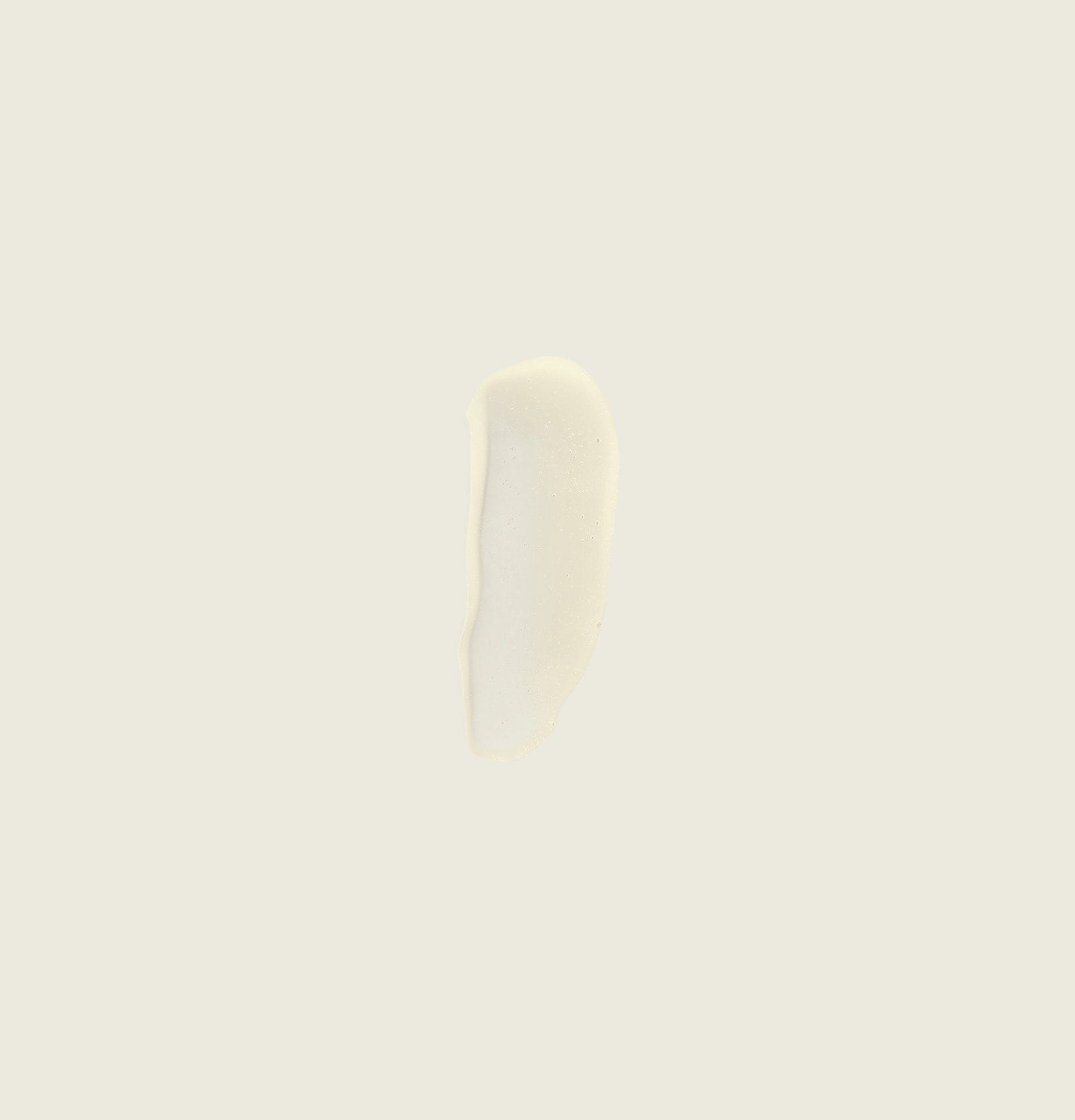
You’ve probably seen the amber glass jars. They’re everywhere. Aesop has this way of making a bathroom shelf look like a high-end apothecary in Melbourne, but let’s be real—pretty packaging doesn’t fix a flaky forehead. Most hydrating masks feel like heavy, greasy mayonnaise sitting on top of your pores. They’re suffocating. But the Aesop Blue Chamomile Facial Hydrating Masque is a weirdly different beast. It’s not a thick cream. It’s a lightweight, aqueous gel that basically disappears into your skin, which is why it’s become a cult favorite for people who hate the feeling of traditional skincare.
I’ve seen people use this on long-haul flights or after a chemical peel when their face feels like it’s two sizes too small. It doesn’t just sit there. It sinks in.
Honestly, the "Blue Chamomile" part isn't just a marketing gimmick for the name. It’s a reference to bisabolol and azulene-rich oils that give certain botanicals that distinct, calming property. If you've ever dealt with "angry" skin—the kind that’s red, tight, and stinging from over-exfoliation or a brutal winter wind—this is usually the bottle people reach for.
What is actually inside the Aesop Blue Chamomile Facial Hydrating Masque?
We need to talk about the ingredients because Aesop is often misunderstood as just "smelly plants in a jar." It’s actually quite science-forward. The star of the show is Sodium Carrageenan. That sounds like something you’d find in almond milk, and you would, but in skincare, it’s a powerhouse for surface hydration. It helps the skin retain water by mimicking the behavior of hyaluronic acid but with a film-forming quality that keeps moisture locked in for longer periods.
Then there’s the Panthenol (Provitamin B5).
If you aren't using Panthenol, you're missing out. It’s a humectant, meaning it pulls moisture from the air into your skin, but it’s also incredibly soothing for the skin barrier. When you mix that with the Blue Chamomile (Matricaria Flower Oil), you get a formula that focuses on "quenching" rather than "greasing."
- Niacinamide: This is the Swiss Army knife of skincare. It helps with texture, pore size, and barrier strength. It's tucked into this mask to make sure your skin stays resilient.
- Ginger Root Extract: It sounds spicy, but it’s actually there for its antioxidant properties to calm down environmental stress.
- Rosemary Leaf Oil: This provides that signature Aesop scent, but it also has mild antiseptic qualities.
The texture is the real winner here. It’s a light, blue-tinted gel. When you apply it, it feels cold. Not "refrigerator cold," but naturally refreshing. Most people expect a mask to be something you wash off after ten minutes, but with the Aesop Blue Chamomile Facial Hydrating Masque, the best way to use it is actually as a leave-on treatment. You apply a thin layer, wait for it to get tacky, and then just go to sleep. You wake up looking like you actually drink the eight glasses of water a day that you definitely don't drink.
Why your skin might be rejecting other moisturizers
A lot of people complain that their skin stays dry no matter how much heavy cream they slather on. Usually, that’s because the skin barrier is "leaky." If your lipid barrier is compromised, water just evaporates—this is called Transepidermal Water Loss (TEWL).
Putting a thick, waxy balm on top can sometimes trap heat and bacteria, leading to breakouts. The Aesop Blue Chamomile Facial Hydrating Masque works differently because it’s water-based. It rehydrates the cells first. It’s like giving a thirsty plant a glass of water instead of just painting its leaves with oil.
I’ve noticed that people with combination skin—the ones who have an oily T-zone but flaky cheeks—tend to love this mask the most. It doesn't clog pores. It’s non-comedogenic in the way it sits on the skin. If you’ve ever used a sheet mask and hated the dripping mess, this is basically a "liquid sheet mask" that stays put.
The "Flight Attendant" Secret
There’s a reason this specific product shows up in so many travel kits. Airplane air is notoriously dry, often hovering around 10% to 20% humidity. Your skin literally shrivels. Because this mask is a clear gel, you can apply it mid-flight and you won't look like a ghost or a bank robber. It just looks like you have slightly dewy skin. By the time you land, the mask has been absorbed, and you don’t have those deep dehydration lines around your eyes.
Misconceptions about botanical skincare
People often think "natural" means "weak." Or they think "botanical" means it’s just a bunch of crushed flowers. With Aesop, that’s not really the case. They use essential oils for fragrance, sure, but the functional ingredients like Sodium Tocopheryl Phosphate (a stable form of Vitamin E) are doing the heavy lifting.
However, we have to be honest: if you have extremely sensitive skin that reacts to fragrance, you need to patch test this. Rosemary, Lavender, and Mandarin oils are in here. They smell incredible—like a high-end spa in the middle of a forest—but some skin types find essential oils irritating.
If you have rosacea, the Blue Chamomile will likely be your best friend because of the bisabolol. But if you have a known allergy to the Asteraceae family (daisies, sunflowers), proceed with caution. Most people find it incredibly cooling, but everyone's skin chemistry is a bit of a wild card.
How it compares to the Sublime Replenishing Night Masque
Aesop has another famous mask, the Sublime Replenishing Night Masque. People get them confused all the time.
The Sublime one is much richer. It’s packed with Vitamins B, C, E, and F. It’s for when your skin is truly depleted and "dead." The Aesop Blue Chamomile Facial Hydrating Masque, on the other hand, is for dehydration. There’s a difference between dry skin (lack of oil) and dehydrated skin (lack of water). Blue Chamomile is for the water-starved. If your skin feels tight but looks shiny, you’re dehydrated. This is your mask. If your skin is dull, flaky, and never produces oil, you might want the Sublime version or even a facial oil like the Damascan Rose.
The best way to apply it for maximum results
Don't just slap it on. To get the most out of the Aesop Blue Chamomile Facial Hydrating Masque, you should follow a specific rhythm.
- Double Cleanse: You need a clean canvas. If there’s leftover SPF or makeup, the gel won't penetrate the skin. Use an oil cleanser first, then a gentle gel cleanser.
- Exfoliate (Optional but recommended): Use a gentle chemical exfoliant like lactic acid. This removes the "dead cell" barrier so the mask can actually reach the fresh skin underneath.
- The Application: Use about a teaspoon. Massage it in until it starts to feel a bit "grippy."
- The Wait: Don’t wash it off! Give it 30 minutes. If there’s still excess, you can tissue it off, but honestly, most people’s skin just drinks it up.
- Layering: If you’re exceptionally dry, put a drop of facial oil over the top of the mask after it has set. This creates an occlusive seal.
It’s also a great "rescue" mask. If you spent too much time in the sun or if you’ve been using too much Retinol and your skin is peeling, a thin layer of this can stop the stinging almost immediately. The chamomile and bisabolol act like a fire extinguisher for inflammation.
Is the price tag worth it?
Let’s talk money. Aesop isn't cheap. You’re paying for the research, the sourcing of the oils, and, yes, the brand aesthetic. But a 60mL jar of the Aesop Blue Chamomile Facial Hydrating Masque lasts a surprisingly long time. Because it’s a gel spread, a little bit goes a long way.
If you’re comparing it to drugstore masks, there’s a noticeable difference in the "after-feel." Cheaper masks often use high amounts of silicones (like dimethicone) to give you a fake sense of smoothness. Aesop focuses more on humectants that actually change the water content of your skin.
You aren't just buying a mask; you're buying a sensory experience. The smell of the Blue Chamomile is grounding. It’s part of a nighttime ritual that signals to your brain that the day is over. For some, that aromatherapy aspect is worth the extra twenty dollars.
Practical Steps for Your Routine
If you want to see if this mask is actually going to change your skin, don't just use it once every three weeks. That doesn't do anything. Consistency is everything in skincare.
- Try the "Flash Mask" method: Apply it in the shower. The steam helps the humectants pull moisture into the skin. Leave it on while you condition your hair, then rinse it off with cool water at the very end.
- Mix it with foundation: If you have a matte foundation that looks too cakey, mix a tiny drop of the Blue Chamomile mask into it. It turns your makeup into a hydrating tint that glows.
- Targeted treatment: You don’t have to put it all over your face. If you have oily skin but dry patches around your nose or mouth, just apply it there.
- Store it in the fridge: For an extra de-puffing effect in the morning, keep the jar in the refrigerator. The cold temperature combined with the chamomile will take down morning puffiness in about five minutes.
The Aesop Blue Chamomile Facial Hydrating Masque is one of those rare products that actually lives up to the hype, provided you understand what it’s for. It’s not a miracle cure for wrinkles, and it’s not going to stop acne. But for pure, unadulterated hydration and calming down stressed-out skin, it’s arguably the best in its class.
Stop viewing it as an occasional treat and start using it as a functional tool for barrier repair. Your skin doesn't need a massive overhaul every day; sometimes it just needs a big drink of water and a bit of chamomile to settle down. If you've been struggling with skin that feels tight, parched, or just generally "off," this is the specific intervention that usually brings it back to equilibrium. Take a small amount, warm it between your fingers, and let it do the work while you sleep. You’ll see the difference in the mirror the next morning.