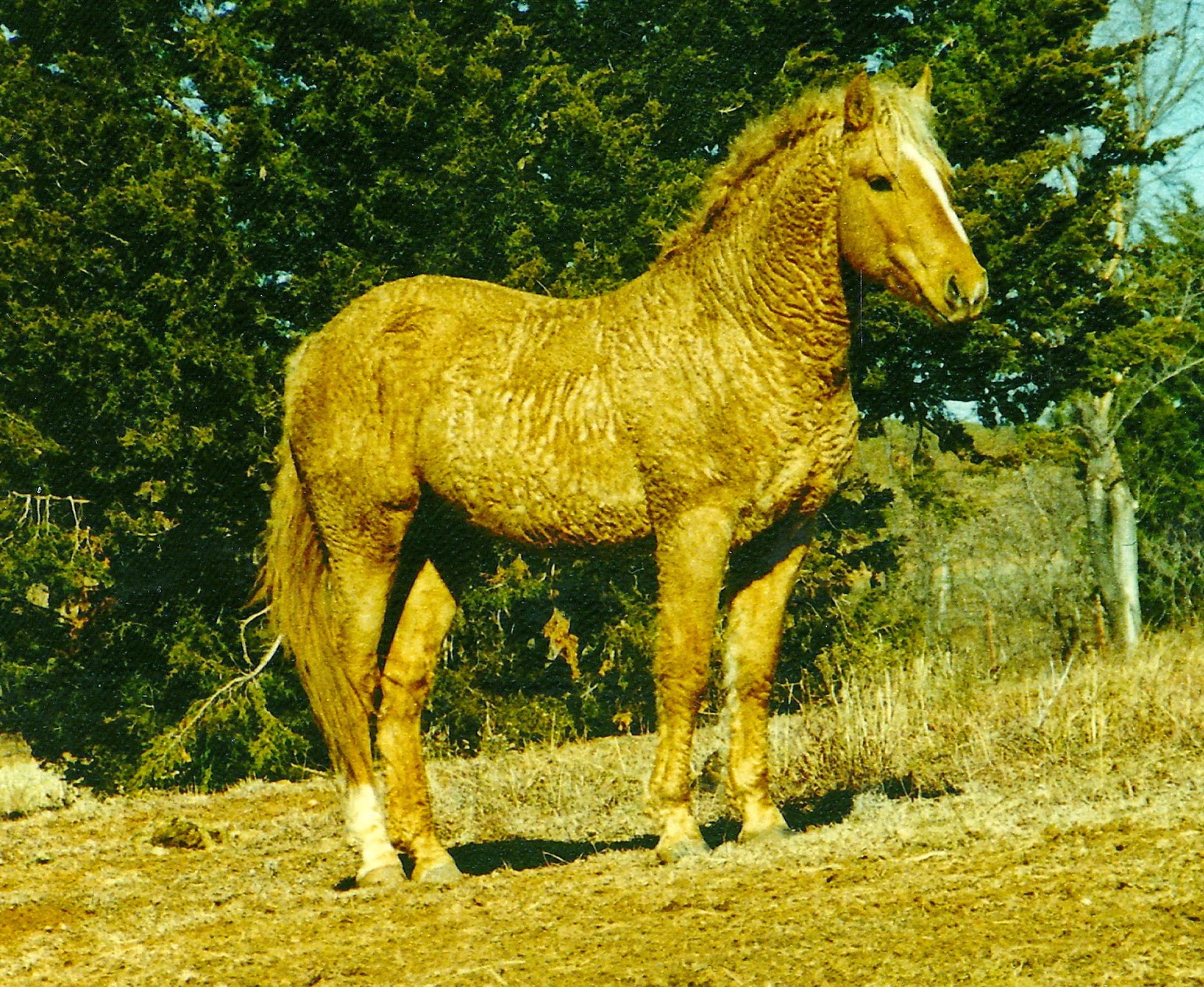
You’ve seen the photos. They circulate on Pinterest and Instagram every few months like clockwork. A creature that looks less like a farm animal and more like it was dipped in liquid 24-karat gold. People argue in the comments. "It’s Photoshop," some say. Others claim it’s a filter. But honestly? The prettiest horse in the world is a very real, very flesh-and-blood animal called the Akhal-Teke. Specifically, a stallion named Kambarbay often holds that unofficial title in the eyes of the internet, but the breed itself is where the magic actually lives.
Horses are generally beautiful, sure. Most people love a sleek Thoroughbred or a fluffy, powerful Shire. But the Akhal-Teke is different. It’s weird. It’s ethereal. It has this metallic sheen that doesn’t seem biologically possible. If you’ve ever wondered why these horses look like they belong in a fantasy novel, the answer is actually found in the microscopic structure of their hair.
The Science Behind the Metallic Glow
Most horse hair has a solid core. The Akhal-Teke’s hair is built differently. The medulla—the central part of the hair shaft—is either extremely thin or totally absent. This creates a hollow space that acts like a fiber-optic cable. When light hits the hair, it doesn't just bounce off the surface; it refracts through the translucent outer layer and glows from within. It’s physics, not magic.
This gives them a shimmering, iridescent look. In the sunlight, a palomino or buckskin Akhal-Teke looks like polished silk. Even the darker ones, like the bays or blacks, have a deep, metallic luster that makes them look wet even when they're bone dry. It’s this specific trait that consistently lands them at the top of every list for the prettiest horse in the world.
They come from Turkmenistan. It's a harsh, brutal landscape. You’d think an animal this delicate-looking wouldn't survive a week in the Kara Kum desert. You’d be wrong. These horses were bred by nomadic tribes for speed, endurance, and heat resistance. They are the marathon runners of the equine world.
Why Some People Think They’re Ugly
Beauty is subjective. While millions of people think the Akhal-Teke is the prettiest horse in the world, horse traditionalists sometimes disagree. They have a very specific "typey" look. They’re long. Long necks, long backs, long legs. Some people think they look a bit like greyhounds.
If you’re used to the thick, muscular build of a Quarter Horse or the arched, powerful neck of an Andalusian, the Akhal-Teke might look a bit "weedy" to you. They are lean. They carry very little body fat. Their skin is incredibly thin, showing every vein and muscle ripple. This isn't a flaw; it's an adaptation for cooling down in the desert heat. But it does mean they lack that "cuddly" or "majestic" bulk people often associate with high-end horses.
The eyes can be polarizing too. Many Akhal-Tekes have almond-shaped eyes that sit differently on their heads than other breeds. Some have "blue" or "wall" eyes, which can look striking or eerie depending on your perspective. Yet, it's that very "alien" quality that makes them so unforgettable.
The Famous Kambarbay and the Viral Fame
If you search for the prettiest horse in the world, you’re going to see a specific photo of a creamy, metallic-gold horse standing against a dark background. That’s Kambarbay. He’s a cremello Akhal-Teke stallion. Cremello is a genetic coat color resulting from two copies of the cream gene on a chestnut base.
The result? Pink skin, blue eyes, and hair that looks like a white-gold wedding band.
Kambarbay became a global sensation about a decade ago. He essentially became the face of the breed for the digital age. But Kambarbay isn't a fluke. There are thousands of Akhal-Tekes in Turkmenistan, Russia, and scattered across Europe and North America that carry this same "glitter" gene.
History, War, and Near-Extinction
The Akhal-Teke isn't just a pretty face. They are one of the oldest horse breeds in existence, dating back over 3,000 years. The Turkoman horse, which is the ancestor of the modern Akhal-Teke, likely influenced the development of the Thoroughbred.
The history is kind of heartbreaking. During the Soviet era, these horses were almost lost. There were reports of them being sent to slaughterhouses for meat because the government didn't see a "utilitarian" use for them in a modernized world. It was only through the clandestine efforts of dedicated breeders that the lines were saved. They hid the horses. They kept the pedigrees in secret.
Today, they are a national treasure in Turkmenistan. They even have a "Horse Day" holiday. You can see them on the country’s currency and coat of arms. They aren't just animals there; they are symbols of national identity.
What It’s Like to Actually Own One
Don't buy one just because you want a lawn ornament. Honestly, Akhal-Tekes are notorious for being "one-person" horses. They are intensely loyal, almost like dogs, but they can be incredibly wary of strangers.
They are smart. Sometimes too smart. If you aren't a confident rider, an Akhal-Teke will figure that out in about thirty seconds. They don't react well to harsh training methods. They have a sensitive temperament that requires a light touch and a lot of patience.
- Athleticism: They excel in endurance riding. They can go for miles in the heat without breaking a sweat where other horses would collapse.
- Maintenance: Their thin skin makes them prone to rubs and sensitive to cold weather. You can't just throw them in a field in Minnesota and expect them to be happy without a good blanket and a lot of care.
- Rarity: They are rare. There are probably fewer than 8,000 in the entire world. Finding a reputable breeder means you’re likely going on a long waitlist and paying a premium.
Other Contenders for the Prettiest Title
While the Akhal-Teke usually wins the "gold medal," there are other breeds that give it a run for its money.
The Friesian
Imagine a massive, coal-black horse with a mane that touches the ground and feathers on its feet. That’s the Friesian. Originally from the Netherlands, they were war horses for knights. They have a high-stepping gait that looks like they’re dancing. If the Akhal-Teke is a supermodel, the Friesian is a Gothic king.
The Arabian
The Arabian is the classic choice. With their dished faces, high tail carriage, and large, expressive eyes, they’ve been the standard for equine beauty for centuries. They have a refinement that’s hard to beat.
The Gypsy Vanner
If you like "cute" and "magestic" mixed together, the Gypsy Vanner is it. These are the "Dalmatians" of the horse world—usually black and white (piebald) with massive amounts of hair on their legs. They look like something out of a fairy tale.
The Genetic Reality
We have to talk about the health stuff because it matters. Being the prettiest horse in the world comes with some baggage. The Akhal-Teke gene pool is relatively small, which has led to some genetic issues.
One of the most serious is Hairless Foal Syndrome (HFS). It’s a fatal genetic defect where foals are born without hair, have abnormal teeth, and usually die within weeks. Breeders are working hard to test for this and eliminate it from the breeding lines, but it’s a reminder that chasing "extreme" looks in animals often has a dark side.
There's also Naked Foal Syndrome, which is similar. Responsible breeders are now using DNA testing to ensure that two carriers never mate. If you’re looking to buy, always ask for the genetic panel.
How to See One in Person
If you’re in the US, you might have to travel. There are a handful of Akhal-Teke farms in places like Texas, California, and some in the Northeast. They occasionally show up at large horse expos like Equine Affaire.
In Europe, they are more common, particularly in Germany and, of course, Russia. But the "purest" experience is still in Turkmenistan. The Yalkasym stables or the International Akhal-Teke Equestrian Complex are the places where you can see hundreds of these "golden horses" together. It’s a sight that honestly ruins other horses for you.
Actionable Advice for Horse Enthusiasts
If you’ve fallen in love with the idea of the Akhal-Teke, don't just stare at photos. Here is how you can actually engage with the breed responsibly:
- Research Bloodlines: Look into the "Absent" line if you’re interested in sport and jumping. Absent was an Akhal-Teke stallion who won the Olympic gold in dressage in 1960. It proves they aren't just for looking at.
- Support Conservation: Organizations like the Akhal-Teke Association of America (ATAA) work to preserve the breed's purity and health.
- Visit a Clinic: Many Akhal-Teke owners are eager to show off the breed's versatility. Look for "breed demos" at local horse shows.
- Understand the "Sheen": If you're a photographer, golden hour (the hour before sunset) is the only time to truly capture that metallic glow. The low angle of the sun maximizes the refraction in the hair shaft.
The Akhal-Teke remains a polarizing figure in the horse world. To some, it’s a spindly, strange-looking creature. To others, it is the undisputed prettiest horse in the world. Whether you love their lean silhouette or prefer something more traditional, there is no denying that the "Golden Horses" of Turkmenistan are a biological marvel that challenges everything we think we know about animal aesthetics. They are living artifacts, a bridge to a nomadic past, and a shimmering example of what happens when nature and careful breeding collide.