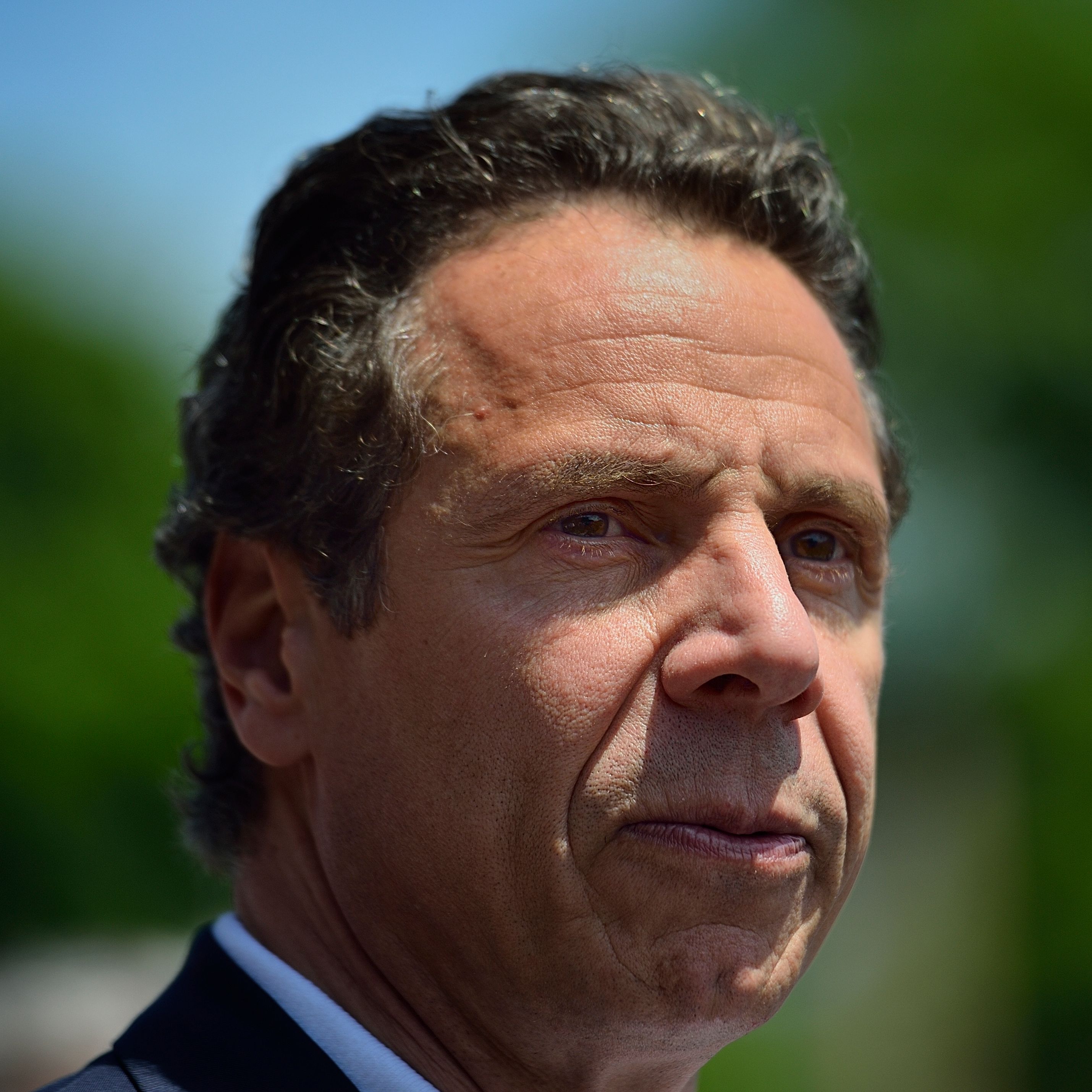
You probably know him as the guy who did those televised COVID briefings or the governor who stepped down in 2021. But honestly, Andrew Cuomo didn't just spawn into the New York Executive Mansion. He had a long, messy, and pretty high-stakes career before he ever became "America’s Governor" (and then, well, not). If you're looking into Andrew Cuomo previous offices, you’ll find a path that winds through the federal cabinet, the trenches of the New York Attorney General’s office, and even a stint as a $1-a-year advisor.
It’s a career built on a mix of legacy and a famously aggressive style. Some called him a "master builder." Others called him "the enforcer." Let’s break down where he actually worked before he became the 56th Governor of New York.
The Early Days: From the DA’s Office to the "Enforcer" Role
Cuomo’s career didn't start with a big election. It started with a law degree from Albany Law School in 1982.
His first real job? Managing his father’s—Mario Cuomo—campaign for governor. He was young, but he was effective. After the win, he worked as a policy advisor for his dad, famously taking a salary of just $1 a year. This is where he earned that "enforcer" nickname. While Mario was the philosophical orator, Andrew was the guy making sure the legislative gears actually turned.
Around 1984, he transitioned into a more traditional legal role. He served as an Assistant District Attorney in Manhattan. It was a short-lived gig, only lasting about a year, but it gave him the "tough on crime" credentials that would serve him later.
Taking the Lead on Housing and Homelessness
Before he went to D.C., Cuomo spent a lot of time focused on New York City's housing crisis. In 1986, he founded HELP (Housing Enterprise for the Less Privileged). It wasn't an "office" in the political sense, but it put him on the map. He was basically trying to prove that transitional housing could actually work better than the old-school shelter system.
This work led Mayor David Dinkins to appoint him as the Chair of the New York City Commission on the Homeless in 1990. He wasn't just sitting in meetings. He was drafting the "Way Home" report, which shifted the city’s focus toward permanent housing solutions.
The Clinton Cabinet Years: HUD Secretary
In 1993, the big leagues called. President Bill Clinton brought Cuomo to Washington. He started as the Assistant Secretary for Community Planning and Development at the U.S. Department of Housing and Urban Development (HUD).
He didn't stay second-in-command for long.
In 1997, Cuomo was unanimously confirmed by the Senate as the 11th U.S. Secretary of Housing and Urban Development.
What did he actually do at HUD?
- The "Community Builders" Program: He hired hundreds of new employees to work directly with local communities. It was controversial because some saw it as a way to build a personal political machine.
- Cracking down on discrimination: He used the Fair Housing Act to go after lenders and landlords who were discriminating against minorities.
- GSE Reforms: He pushed Fannie Mae and Freddie Mac to buy more loans for lower-income families. Looking back, some economists point to this as a factor in the later subprime mortgage crisis, though it’s a debated point among experts.
He left the Clinton administration in 2001. Honestly, his time in D.C. was a mix of high-praise management and critics calling him a "prima donna."
The Comeback: New York Attorney General (2007–2010)
After a pretty embarrassing 2002 run for governor (he dropped out before the primary), most people thought he was done. They were wrong. He spent a few years in private law practice, then ran for New York State Attorney General in 2006.
He won. And he used that office like a sledgehammer.
As the state's top lawyer, he went after "pay-to-play" schemes in public pension funds. He took on the student loan industry, investigating how lenders were bribing university officials to get on "preferred lender" lists. He even went after the big banks during the 2008 financial crisis, famously fighting for the release of bonus information from AIG.
By the time 2010 rolled around, his tenure as AG had completely rehabilitated his image. He was no longer just "Mario’s son." He was the guy cleaning up Albany. This office was the ultimate springboard. It gave him the momentum to win the governorship in a landslide against Carl Paladino.
Why These Roles Matter Now
Looking back at Andrew Cuomo previous offices provides a lot of context for his rise and eventual fall. His style was always top-down and incredibly hands-on. At HUD, he centralized power. As Attorney General, he used the "Sheriff of Wall Street" persona to dominate the news cycle.
If you're trying to understand his legacy, don't just look at the 2021 resignation. Look at the decade he spent at HUD and the AG's office. That's where the tactics he used as governor—the heavy-handed negotiations and the obsession with public works—were actually perfected.
What to do with this information:
If you're researching New York political history, compare Cuomo’s tenure at HUD with his successor’s. You can also look up the Martin Act, which is the specific law he used as Attorney General to go after financial fraud; it's a unique New York power that explains why that specific "previous office" is so influential. Knowing the history of HELP can also give you a better lens on how he approached the NYC housing crisis during his years as governor.