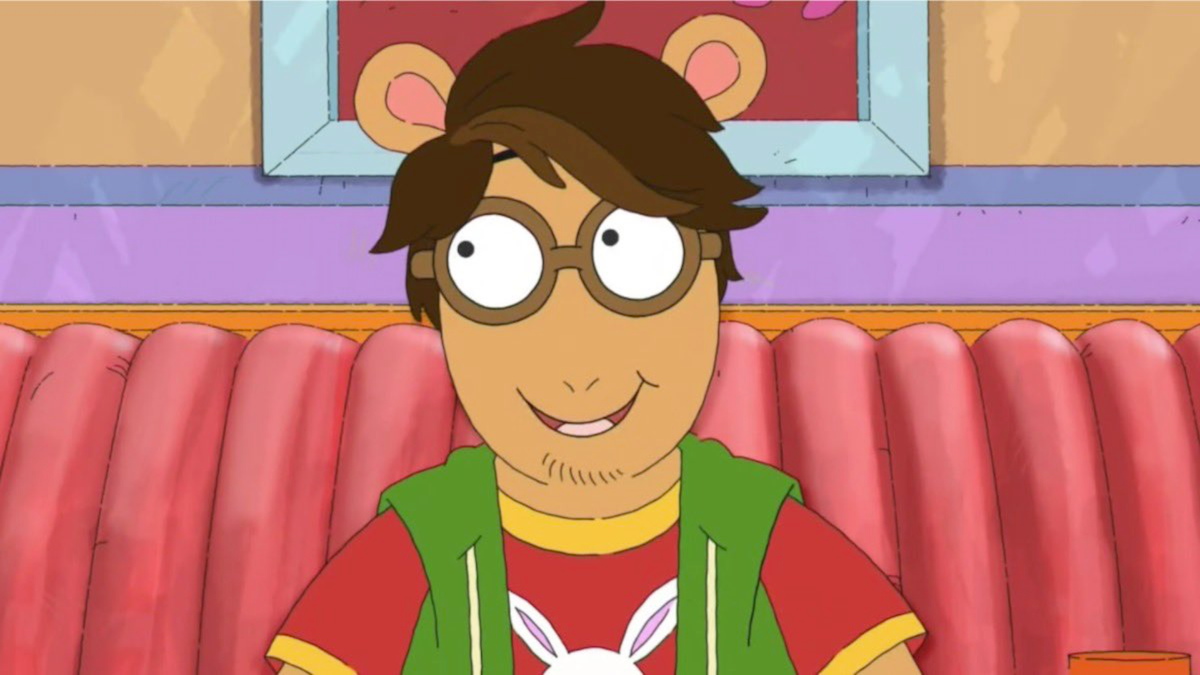
It finally happened. After twenty-five years of library cards, aardvark antics, and that catchy Ziggy Marley theme song, the longest-running kids' animated series in history took its final bow. Most of us grew up with Arthur Read. We learned how to spell "aardvark" because of him. We learned how to deal with annoying younger siblings because of D.W. So, when the Arthur last episode aired on PBS Kids on February 21, 2022, it wasn't just another TV finale. It felt like the end of a childhood era.
The finale, titled "All Grown Up," did something that few children's shows dare to do. It jumped forward. Way forward.
We didn’t just get a sweet goodbye at the Sugar Bowl. Instead, the creators gave us a glimpse into the year 2042. It’s a bit jarring at first. Seeing characters you've known as eternal eight-year-olds suddenly sporting facial hair or professional wardrobes is a trip. But honestly? It was exactly the closure fans needed. It wasn't about a big, world-ending plot. It was just about where life takes you when the school bell stops ringing.
The Future of Elwood City: Who Became What?
The heart of the Arthur last episode is a flash-forward sequence triggered by a mysterious fortune-telling game. But before we get to the "grown-up" stuff, the plot centers on the kids finding a game called "O'Grady's Future Forecast" in the back of the library. It’s classic Arthur—grounded in the library, driven by curiosity, and slightly anxious about the unknown.
Arthur, Buster, Francine, and Muffy are all there. They’re obsessing over what the game says they’ll become. It’s a clever meta-commentary on the audience’s own obsession with "where are they now" lists.
Let's talk about Arthur himself. In the future, Arthur Read is a graphic novelist. He’s sitting in the Sugar Bowl—which is still around, thankfully—sporting a very relatable "creative professional" look: a sweater and a bit of stubble. He’s just finished his first book. And here is the kicker: the book he wrote is literally the story of the first episode of the show. He hands a copy to the waiter (who happens to be George Lundgren, now the owner of the Sugar Bowl), and we see the cover. It’s the iconic image of Arthur.
It’s a "full circle" moment that hits hard. It implies that the entire 25 seasons we watched were actually Arthur’s memoir.
Buster, Muffy, and the Rest of the Crew
What about the others? Well, they didn't all stay in Elwood City, which feels realistic.
Buster Baxter is a teacher. Specifically, he’s a university professor. If you remember Buster’s obsession with aliens and conspiracies, this makes total sense. He’s still quirky, but he’s channeled that energy into academia. Honestly, imagining Buster grading papers is kind of hilarious, but it fits his character's intellectual (if eccentric) curiosity.
Muffy Crosswire is running for Mayor. Of course she is. She’s traded her signature purple dresses for a sharp power suit. Her ambition was always her defining trait, and seeing her move from "rich kid" to "public servant" (with a healthy side of ego, naturally) feels like a natural evolution. She’s even campaigning against Binky Barnes’ dad, or at least following in those political footsteps.
Speaking of Binky, he’s a news reporter. Seeing the former bully of Lakewood Elementary holding a microphone and reporting on local politics is a testament to the character development the show maintained for decades. He was always more than just a tough guy; he was an artist and a thinker.
Then there's Francine. She’s the head of a major sneaker company. She was always the best athlete in the group, so staying in the world of sports apparel is a perfect fit. She has short hair now, looking every bit the high-powered executive.
Why the Flash-Forward Worked
Most kids' shows end with a graduation or a "see you next summer" vibe. The Arthur last episode took a risk by showing us the "after."
Why did it work? Because it respected the audience. People who started watching Arthur in 1996 are now in their 30s. They have jobs. They have kids. By showing the characters as adults, the showrunners acknowledged that their original audience had grown up, too. It wasn't just for the kids watching in 2022; it was a love letter to the millennials who built the show’s legacy.
There’s a subtle detail most people missed: the voice actor.
In the final scene, when adult Arthur is talking, he isn't voiced by the kid actor from the final season. He’s voiced by Michael Yarmush. If that name sounds familiar, it’s because Yarmush was the original voice of Arthur back in Season 1. Bringing him back to voice the adult version of the character he started 25 years prior is the kind of detail that makes long-time fans emotional. It’s a layer of authenticity you don't usually see in "standard" TV production.
Addressing the D.W. in the Room
We can't talk about the finale without mentioning D.W. Read. The internet's favorite meme-queen grew up to be a police officer.
Yes, really.
D.W. is a traffic cop. She’s seen in the future sequence pulling over a speeding car (which happens to be driven by Bud Compson). She’s still got that bossy, authoritative streak, but now she has a badge to back it up. It’s perhaps the most "on-brand" career choice for any character in the series. She was always the one telling people what to do; now it's her literal job.
Subtle Nods to the Past
The episode is littered with Easter eggs.
- The Library: The show starts and ends at the library, emphasizing the series' core mission of literacy.
- George: George owning the Sugar Bowl shows his steady, reliable nature.
- The Drawing Style: The transition from the classic animation to the "graphic novel" look at the end honors the show's origins in Marc Brown’s books.
The Legacy of the Finale
The Arthur last episode didn't just end the story; it validated it. It told kids that the hobbies they have now—writing, sports, being "bossy," or being obsessed with weird facts—can actually turn into a life.
There was no "magic." No one became a superhero. They just became people. Some stayed in their hometown, some moved away, but they all stayed friends. In a world of gritty reboots and cliffhangers, Arthur gave us something rare: a happy, quiet, and earned ending.
If you’re looking to revisit the series, don't just stop at the finale. The beauty of how PBS handled this is that while the "new" episodes have stopped, the world hasn't. There are podcasts, digital shorts, and even "Arthur" shorts dealing with modern topics like the pandemic and social media. The show might be over, but the characters are basically immortal at this point.
Actionable Takeaways for Fans
If you're feeling nostalgic after the Arthur last episode, here's how to dive back in:
- Watch the original Michael Yarmush episodes: Compare the voice of "Adult Arthur" to the very first episodes from 1996 to see the full circle.
- Check out the "The Arthur Podcast": It’s a relatively recent addition that keeps the characters alive in an audio format, perfect for the original fans who are now commuting to work.
- Read the original Marc Brown books: The finale is a tribute to these books. Seeing where the character designs started (Arthur looked a lot more like a real aardvark back then) is a great way to appreciate how far the show came.
- Look for the "All Grown Up" digital shorts: PBS released several small clips around the finale that give even more context to the characters' adult lives.
The series ended because it had said everything it needed to say. It taught us how to be friends, how to be siblings, and how to be ourselves. Seeing Arthur close his sketchbook in that final scene wasn't a "goodbye"—it was an invitation for the rest of us to go out and start writing our own stories.