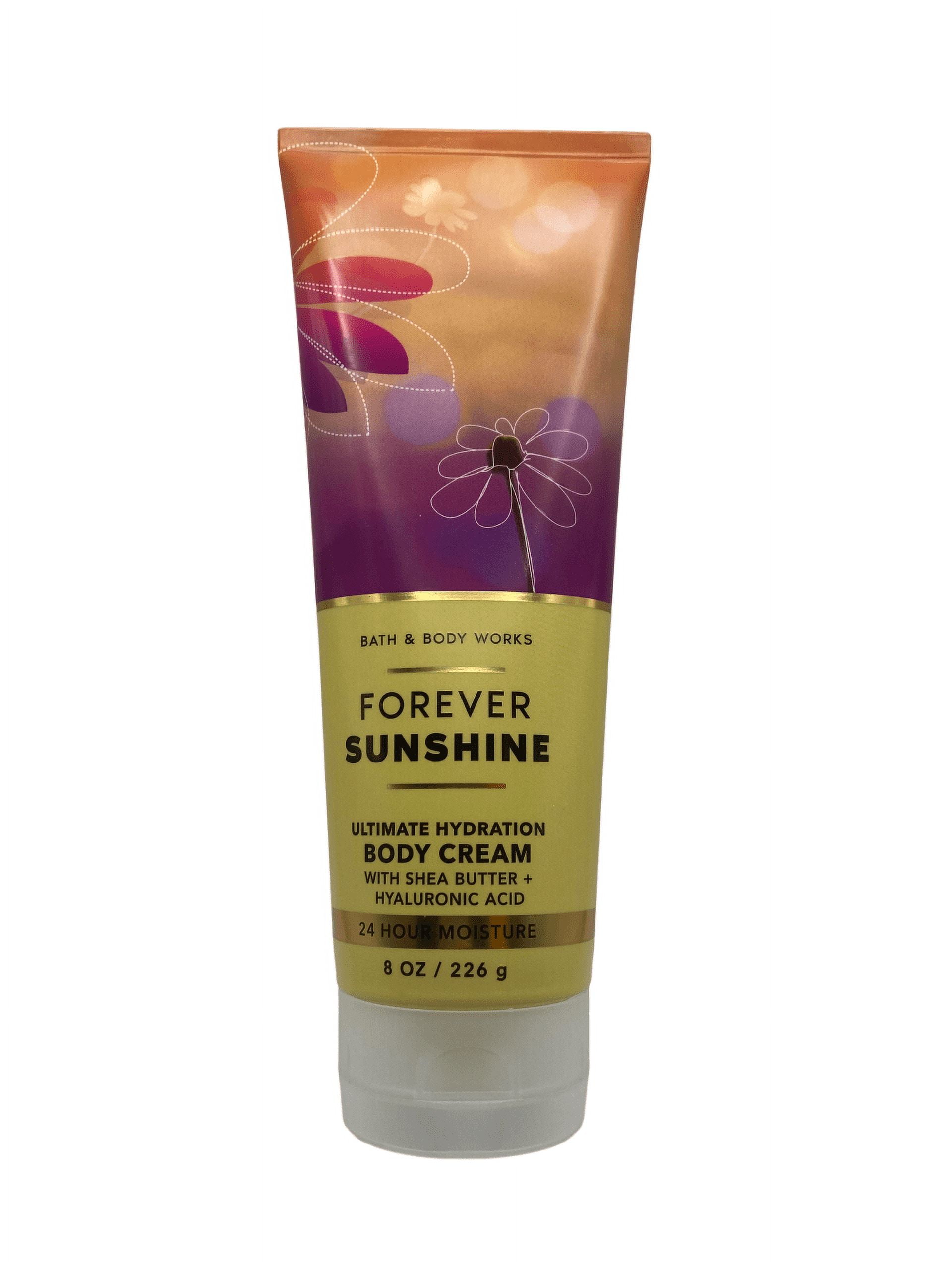
You know that specific feeling when you walk into a store and the air just smells like a vacation you haven't taken yet? That’s the grip Bath and Body Works has on us. But honestly, if you’ve ever gone hunting for a specific Bath and Body Works sunshine scent, you know it’s a chaotic journey. One year it’s Sunshine & Daffodils, the next it’s Golden Sunflower, and then suddenly everything is Sun-Washed Citrus. It’s confusing.
Retail psychology is a wild thing. They cycle these "sunny" fragrances faster than the seasons actually change. It keeps us buying.
If you are looking for that specific, bright, citrusy or floral "sun" note, you have to understand how the brand categorizes these things. They aren't just selling soap; they are selling a mood. "Sunshine" isn't one ingredient. It’s a marketing umbrella. Sometimes it means lemon and zest. Other times, it's heavy coconut and sunscreen vibes.
The Confusion Around Bath and Body Works Sunshine Scents
People get frustrated because they find a scent they love, like the old-school Sunshine Mimosa, and then it vanishes. It’s gone. Poof. Then, six months later, a "new" scent drops that smells suspiciously similar. This is what collectors call "repackaging."
The Bath and Body Works sunshine aesthetic usually falls into three distinct olfactory buckets. First, you’ve got the "Bright & Zesty" group. These are your heavy hitters like Sun-Washed Citrus. It’s basically a kitchen lemon exploded in a field of sugar. It’s sharp. It wakes you up. Then there is the "Floral Sunshine" group. Think Sunshine & Daffodils. It’s softer, a bit more like a garden after a rainstorm. Finally, there’s the "Beach Sunshine" vibe—At the Beach or Copper Coconut. This is where the "sun" part comes from the warmth of amber or the creaminess of coconut milk.
Why does this matter? Because if you’re shopping on eBay or Mercari for retired scents, you need to know what you’re actually buying. A "sunshine" label doesn't guarantee a specific smell.
Breaking Down the Ingredients of "Sunlight"
How do you make a liquid smell like a literal star 93 million miles away? Perfumers use "solar notes." These are synthetic accords designed to mimic the smell of skin warmed by the sun or the crispness of ionized air.
In many Bath and Body Works sunshine products, they lean heavily on citrus oils. Limonene and Linalool are the workhorses here. They are cheap, effective, and universally liked. But they have a downside. Citrus notes are top notes. They evaporate fast. You spray it, you love it, and twenty minutes later, it’s a memory. This is why the brand often anchors these "sunny" scents with "white woods" or "solar musk." It gives the brightness something to hang onto so you don’t feel like you wasted fifteen bucks on a mist that lasted as long as a sneeze.
Why Some Sun-Themed Scents Fail
Not every sun-drenched bottle is a winner. Some get weird.
Take "Sun-Ripened Raspberry." It’s a classic, sure, but for many, it’s a total nostalgia trap that feels a bit cloying in 2026. It’s heavy. It’s sweet. It’s the opposite of the modern "clean girl" aesthetic that favors lighter, airier interpretations of sunshine.
The biggest complaint from long-time fans is the "plastic" note. When you try to mix "sun" smells with cheap vanilla, you sometimes end up with a fragrance that smells like a pool floatie. Some people love that! It smells like childhood. But if you're looking for a sophisticated fragrance, stay away from the scents that list "sugar" or "cake" alongside "sunshine."
The Evolution of the Seasonal Drop
Bath and Body Works operates on a "Floor Set" schedule. This is why the Bath and Body Works sunshine collections usually pop up in late January or early February. They want to tempt you with summer while you're still shoveling snow. It’s brilliant.
- Phase 1: The Tropical Leap. This is usually January. Lots of coconut, pineapple, and "island sunshine."
- Phase 2: The Spring Bloom. Late February. This is where the daffodils and citrus come in.
- Phase 3: High Summer. May. This is the "firefly" and "suntan" era of scents.
If you miss a scent in Phase 1, don't panic. Check the notes. Often, the Phase 3 "sunshine" scent is just a slightly tweaked version of what they released in January, just with a blue bottle instead of a yellow one.
The Science of Scent and Mood
There is real data behind why we buy these. A study published in the Journal of Sensory Studies found that citrus scents—the backbone of the Bath and Body Works sunshine line—can actually lower heart rates and reduce stress. It’s not just "smelling good." It’s a physiological reset.
When you use a "Sunshine" shower gel in a dark, cold bathroom in the middle of winter, your brain gets a hit of dopamine. The brand knows this. They use yellow and orange packaging because those colors are psychologically linked to optimism and energy. It’s a whole sensory experience designed to get you to open your wallet.
Honestly, the marketing is better than the perfume sometimes. But that doesn't make the joy any less real.
How to Make the Scent Last Longer
One of the biggest gripes with the "sunshine" category is longevity. Since they rely on citrus and light florals, they disappear. Fast.
To get the most out of your Bath and Body Works sunshine haul, you have to layer. It’s a pain, but it works. Use the shower gel, then the body cream (the creams have more oil than the lotions, which holds scent better), and then the mist.
Another pro tip: spray your hair. Hair is porous. It holds onto those "solar notes" way longer than your skin will, especially if you're sweating. Just don't overdo it, or you'll smell like a walking fruit bowl.
What to Look for Right Now
If you are browsing the aisles today, look for "Golden Hour" or "Solar" in the descriptions. These are the modern iterations of the old sunshine lines. They tend to be a bit more "grounded."
The current trend is moving away from the super-sweet scents and toward "salty" sunshine. Think sea salt, neroli, and orange blossom. It’s more sophisticated. It feels less like a mall and more like a boutique in Italy.
Check the "Last Chance" bins too. Because the Bath and Body Works sunshine scents are so seasonal, they end up in the 75% off bins faster than almost any other category. If you find a "Sun" scent you love, buy three. Because the odds of it being there next year are, frankly, slim to none.
Actionable Steps for the Scent Obsessed
Stop buying everything at full price. The "Sun" collections are seasonal, meaning they are guaranteed to go on sale.
First, check the scent notes on the back of the bottle. If the first three notes are "Sparkling Citrus," "Fresh Air," and "Sugar," it’s going to be a very light, fleeting scent. If it has "Amber," "Musk," or "Wood," it will stick around on your skin for the whole day.
Second, follow the batch codes. If you find an old bottle of a Bath and Body Works sunshine scent at a garage sale or online, look at the bottom. The first digit is the year it was made. A "3" could be 2023. These products usually have a shelf life of 2-3 years before the oils start to go rancid or lose their punch.
Finally, join a community. Places like the Bath and Body Works subreddit are filled with people who track these things like the stock market. They will tell you exactly which "new" sunshine scent is just a remake of a 2015 classic. It saves you money and shelf space.
If you want that sun-drenched vibe, focus on the body creams over the sprays for actual staying power. Stick to the scents with a "sand" or "driftwood" base if you want to smell like the beach, or stay with the pure "citrus" lines if you just need a morning energy boost. Keep your bottles in a cool, dark place—bathrooms are actually terrible for perfume because the humidity breaks down the fragrance oils. Move your "sunshine" to a bedroom dresser to keep it smelling fresh for longer.