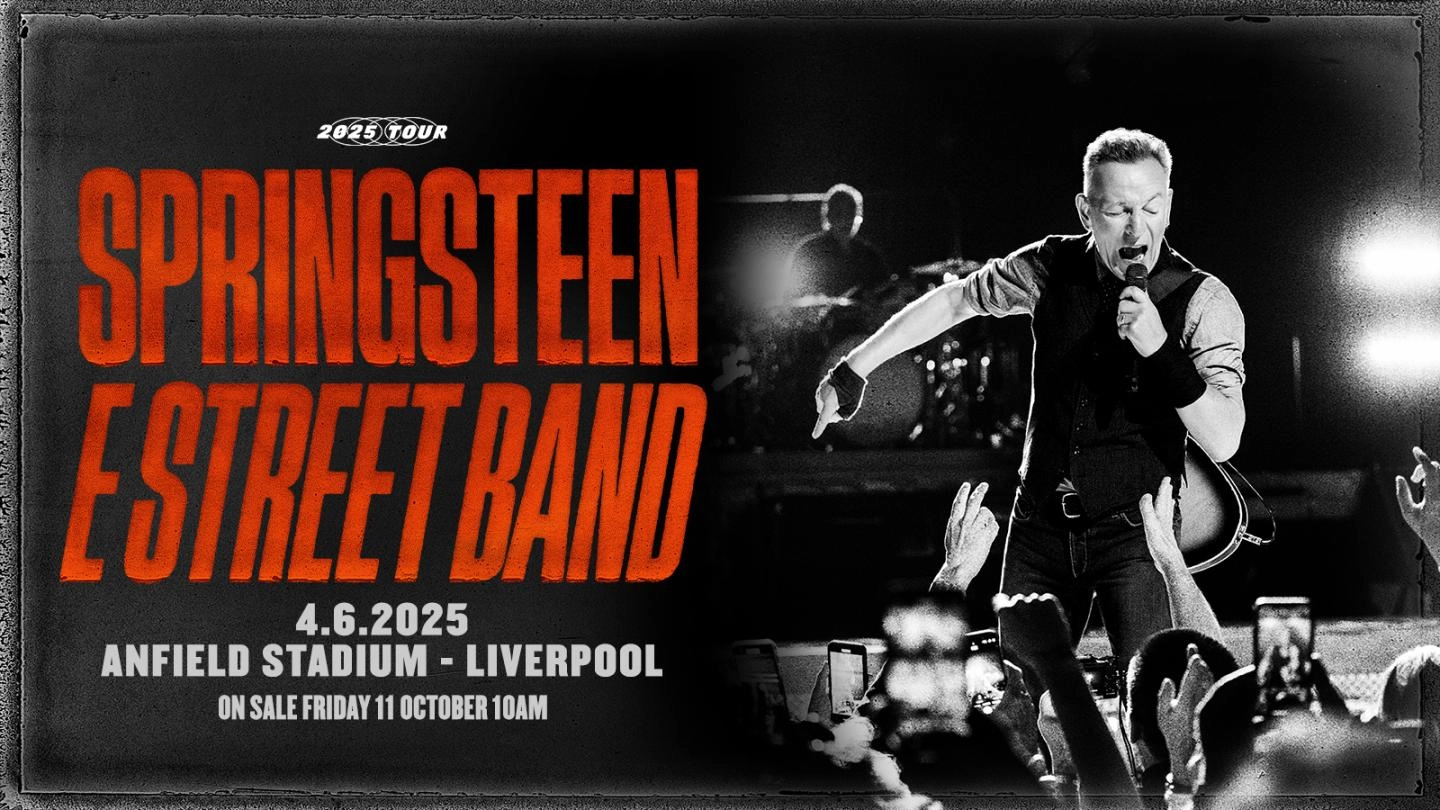
Walk into any stadium during a three-hour marathon show, and you’ll see it. That moment when the lights come up, the feedback hums, and Bruce leans into the mic to yell about the "heart-stopping, pants-dropping, house-rocking" power of the people behind him. It’s not just a stage intro. For fans, the list of bruce springsteen and the e street band members is basically a roll call of family members.
Honestly, it’s a miracle they’re still doing this. Most bands from the Jersey Shore scene in the early 70s are long gone, or they’ve devolved into one original member and a bunch of session guys in matching outfits. Not these guys. When you see the current lineup in 2026, you're looking at a group that has survived decades of breakups, reunions, and the kind of grief that comes when you lose your "Big Man."
The Core: Who’s Still on the Bus?
People always ask who counts as an "official" member versus a touring musician. It’s a bit of a gray area because Bruce is the boss—literally. He was signed as a solo artist to Columbia Records back in '72. But the E Street Band isn't just a backing group. They are a wall of sound.
The current heavyweight champions of the stage include Garry Tallent, the only guy besides Bruce who has been there since the very first rehearsal in 1972. He’s the anchor. He plays the bass with a sort of quiet, stoic intensity that keeps the whole ship from sinking when things get loud. Then you have Max Weinberg. "Mighty Max." He joined in '74 through a Village Voice ad. If you’ve ever wondered why the beat feels like a freight train hitting a brick wall, that’s Max.
- Roy Bittan (The Professor): Joined in 1974. His piano is the reason "Jungleland" and "Backstreets" sound like mini-operas instead of just rock songs.
- Steven Van Zandt (Little Steven): Bruce’s blood brother. He’s the guy in the bandana who rejoined in the 90s and basically acts as the band’s spiritual consigliere.
- Nils Lofgren: A guitar virtuoso who joined in 1984. He can do a literal trampoline flip while playing a solo. He’s that good.
- Patti Scialfa: The "Red Headed Woman" herself. She joined right before the Born in the U.S.A. tour in ’84 and eventually married the boss.
Carrying the Torch: Jake Clemons and the New Blood
You can’t talk about bruce springsteen and the e street band members without talking about the ghosts. When Clarence Clemons passed away in 2011, a lot of people thought the band was finished. How do you replace the biggest personality on stage?
You don't. You keep it in the family. Jake Clemons, Clarence's nephew, stepped in. At first, it felt heavy. You could see the weight of the legacy on him. But by now? He’s found his own voice. He’s got that same thundering tenor sax sound, but he brings a younger, almost frantic energy that the band needed.
Then there’s Charles Giordano. He took over the organ and accordion duties after Danny Federici died in 2008. Charlie doesn’t try to be "The Phantom" (Danny’s nickname). He just plays with a soulful, steady hand that fits perfectly into the mix. And let’s not forget Soozie Tyrell. She’s been the secret weapon since the Rising era, adding violin and acoustic guitar that gives the newer songs a folkier, more textured edge.
Why the "E Street" Name Even Exists
It’s a funny story, actually. Back in the early days, they didn't even have a name. They were just "the band." They eventually took the name from a street in Belmar, New Jersey. Why? Because the original keyboard player, David Sancious, lived there. They used to rehearse in his mother’s garage.
It’s sort of wild to think that one of the most famous names in rock history came from a suburban street where a kid’s mom let them make noise. Sancious eventually left to do his own jazz-fusion thing, but the name stuck. It represented a place, a home base.
The 1989 Breakup: What Most People Get Wrong
There’s a common misconception that Bruce fired the band because they weren't getting along. That’s not really it. Basically, Bruce felt he had reached the end of what that specific sound could do for his writing. He wanted to try something different. He wanted to see if he could stand on his own.
He called them all up and told them he was moving on. It was brutal. Garry Tallent once mentioned it was a shock to the system. But that "Other Band" era in the early 90s—while musically interesting—never had the soul of E Street. When they finally reunited in 1999, the chemistry was still there. It’s like they never left that garage in Belmar.
The 2026 Tour Dynamic: A Massive Ensemble
If you see them live now, the stage is crowded. It’s not just the core six or seven anymore. You’ve got the E Street Horns and the E Street Choir.
- The Horns: Usually featuring guys like Eddie Manion and Curt Ramm. They turn the rock show into a soul revue.
- The Choir: Backing vocalists like Curtis King and Michelle Moore who add that gospel weight to songs like "The Rising" or "Land of Hope and Dreams."
- Anthony Almonte: A more recent addition on percussion who adds a layer of rhythm that keeps Max on his toes.
It’s a big, loud, messy, beautiful congregation. It’s not "Bruce and some guys." It’s a collective.
Actionable Insights for Fans and Listeners
If you’re looking to dive deeper into the history of bruce springsteen and the e street band members, don't just stick to the hits. To really hear the individual brilliance of these musicians, you have to look at the deep cuts and the solo projects.
- Listen to 'The Wild, the Innocent & the E Street Shuffle': This is the album where the band’s jazz and R&B roots are most obvious. You can hear Garry’s "lead bass" style and the late Danny Federici’s incredible accordion work.
- Watch the 'Road Diary' Documentary: Released recently, it gives a behind-the-scenes look at how the band prepares for the current tours. It shows the technical precision Max Weinberg brings to every single beat.
- Check out Nils Lofgren’s solo work: Specifically the album Author Unknown. It reminds you that he’s a world-class frontman in his own right, even if he’s "just" a guitarist in this band.
- Follow Little Steven’s Underground Garage: If you want to know where the band’s garage-rock soul comes from, Stevie’s radio show is the ultimate curriculum.
The E Street Band is a living breathing thing. It’s changed, it’s lost members, and it’s grown larger. But the core mission remains the same: to show up, play longer than anyone else, and prove that rock and roll can still be a transformative experience. Whether you’re a die-hard who saw them at the Stone Pony or a kid seeing them for the first time in 2026, the lineup is the legend.