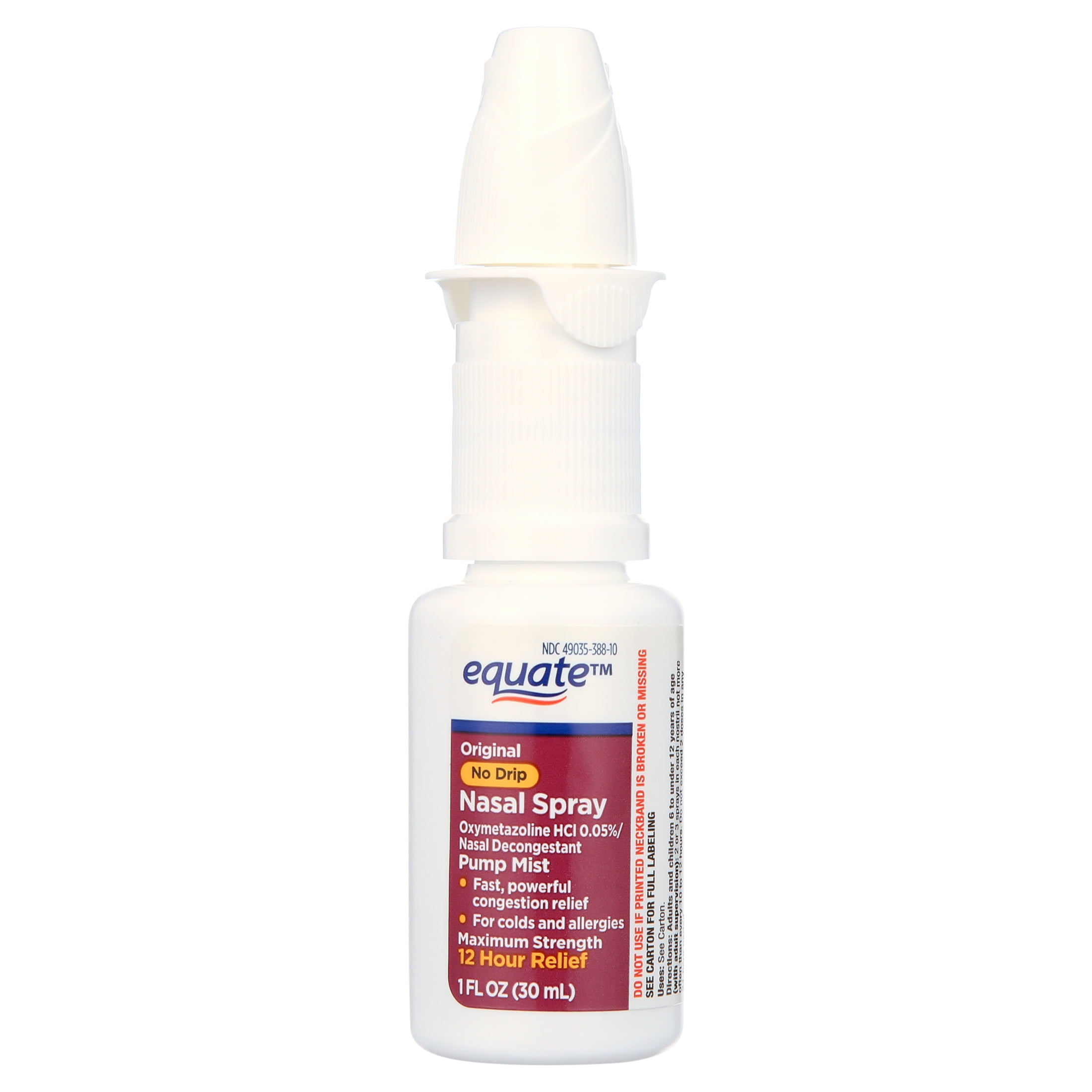
You’re staring at that crusty bottle of Flonase or Afrin in the back of your medicine cabinet. Your nose is stuffed, you can’t breathe, and you just want relief. Then you see it. The tiny, faded stamped date on the side of the plastic says it expired six months ago. Does it still work? Is it going to burn your sinuses or, worse, give you some weird infection?
Honestly, most of us just use it anyway. We figure it’s like a box of crackers—maybe a little stale, but basically fine. But nasal sprays aren't crackers. They are liquid environments, often containing preservatives, and they go directly into a very sensitive, very vascular part of your head.
Can Nasal Spray Expire and Still Work?
The short answer is yes, nasal spray can expire, and no, it probably won’t turn into poison the day after the date on the bottle. But that’s not the whole story. When a company like GlaxoSmithKline or Bayer puts an expiration date on a product, they aren't just guessing. They’ve done stability testing to see exactly how long the active ingredients—like fluticasone propionate or oxymetazoline—stay potent.
After that date, the chemical bonds start to break down. It’s a slow fade. If you use a steroid spray that expired three years ago, you might find it does absolutely nothing for your hay fever. The medicine has basically retired. It’s still in the bottle, but it’s not doing the heavy lifting anymore.
The Problem With Preservatives
Most over-the-counter (OTC) sprays use something called benzalkonium chloride. It’s a preservative that keeps nasty bacteria from growing in the liquid. Here’s the catch: those preservatives don't last forever. Once they fail, that bottle becomes a literal petri dish. Every time you shove that nozzle up your nose, you’re potentially introducing skin cells, mucus, and bacteria back into the bottle. If the preservative is dead, that bacteria throws a party.
You don’t want to be spraying a mist of Staphylococcus or Pseudomonas directly into your ethmoid sinuses. That’s a fast track to a secondary sinus infection that’ll require actual antibiotics to clear up.
Why Saline and Medicated Sprays Age Differently
There’s a big difference between a pressurized can of saline and a pump-mist bottle of decongestant.
If you have a sterile saline mist in a pressurized canister (the kind where the air never gets back in), it’s much more stable. Since the system is closed, the risk of contamination is tiny. It might lose a bit of its "oomph" over several years, but it’s generally the safest thing to use past the date.
Pump bottles are a different beast. They are "open" systems. Each time the pump recoils, it sucks a little bit of the outside environment back into the reservoir. If you’ve been sick with a cold and used that spray, you’ve definitely contaminated the tip. This is why doctors usually tell you to toss those 30 days after opening, regardless of the date on the box. It’s about hygiene, not just chemistry.
What Real Experts Say About the Risks
Pharmacists generally stick to the "when in doubt, throw it out" rule, but the FDA’s Shelf Life Extension Program (SLEP) has shown that many drugs remain effective long after their official expiration. However, that study focused on tablets and capsules stored in ideal conditions—cool, dry, and dark.
Your bathroom is the opposite of that.
It’s humid. It gets hot when you shower. These temperature swings accelerate the breakdown of the medication. Dr. Tania Elliott, a noted allergist, often points out that using expired nasal steroids can lead to increased irritation. As the chemicals break down, the pH of the solution can shift. A solution that was once perfectly balanced for your nasal membranes might become slightly more acidic or basic, leading to a stinging sensation or even nosebleeds.
The Afrin Trap
If you’re using an expired decongestant spray like oxymetazoline (Afrin), you’re playing a risky game with "rebound congestion," also known as rhinitis medicamentosa. These sprays work by shrinking the blood vessels in your nose. When the medicine is expired and weak, it might only partially shrink those vessels. This can trick your body into a cycle where your nose swells up even worse than before as soon as the weak dose wears off. It’s a mess. Don’t do it.
Signs Your Spray Has Gone Bad
You can’t always trust your eyes, but sometimes the bottle gives you a warning.
- Cloudiness: If a clear spray now looks like lemonade or has "floaties" in it, toss it immediately. That’s bacterial growth or chemical precipitation.
- The Smell Test: If it smells sour, metallic, or just "off," your nose is literally telling you to stay away.
- Crystal Formation: If you see crusty white buildup around the nozzle that doesn't wash off, the medicine has crystallized out of the solution. You're just spraying water at that point.
- Weak Pump: If the mechanism feels "gummy" or doesn't provide a fine mist, the structural integrity of the liquid has changed.
How to Actually Store Nasal Spray to Make it Last
Most people keep their meds in the bathroom cabinet. Stop doing that. The humidity from your morning shower is the enemy of shelf life.
Instead, find a cool, dark drawer in your bedroom. Keep the cap on tight. Seriously—that cap is the only thing standing between your medicine and the dust and germs floating in your house. Also, never share your spray. Even if it’s your spouse. Sharing nasal spray is like sharing a toothbrush, except you’re sharing it with your sinuses.
If you use a spray and then get better, wipe the nozzle with an alcohol swab before putting the cap back on. It’s a small habit that can prevent the preservative system from being overwhelmed by the bacteria you just shoved into it.
Actionable Steps for Your Medicine Cabinet
Check your dates right now. If it’s a year past the expiration, it belongs in the trash. If it’s a month past and the liquid is clear and the pump works, you’re likely fine for a dose or two, but go buy a new one tomorrow.
For those with chronic allergies who use Flonase or Nasacort daily, try writing the "date opened" on the bottle with a Sharpie. Most manufacturers recommend discarding the bottle 60 to 90 days after the first pump, even if there is liquid left and the expiration date is years away. This is because the effectiveness of the preservative starts a countdown the second that first seal is broken and air enters the chamber.
When you do dispose of it, don't just pour it down the sink. Many pharmacies have "take-back" programs for expired meds. If not, mix the liquid with something unappealing like coffee grounds or kitty litter in a sealed bag before throwing it in the household trash. This keeps the active chemicals out of the water supply and away from pets or kids.
If you are dealing with a severe blockage and only have an expired bottle, try a warm shower or a neti pot (with distilled water!) first. Natural methods don't have expiration dates and can often bridge the gap until you can get to a pharmacy for a fresh, potent bottle of the real stuff.