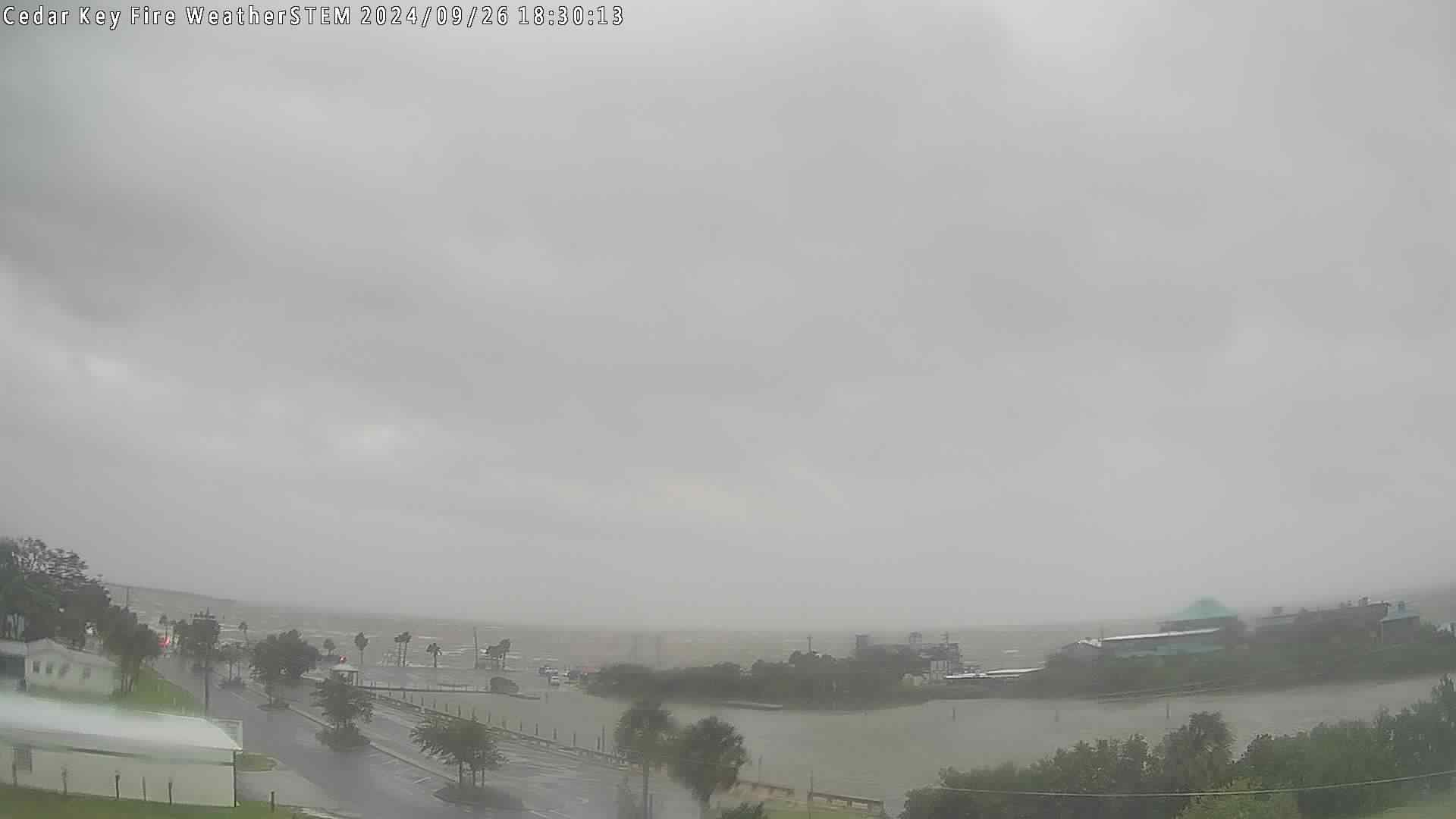
If you’ve ever sat on the deck at Big Deck Raw Bar or watched the sunset from Dock Street, you know Cedar Key isn't just a place. It's a mood. But that mood shifted fast when smoke started billowing over the Gulf recently. People are frantically searching for news on the cedar key fire today because, honestly, this tiny island community has been through absolute hell over the last couple of years. Between Hurricane Idalia and then Hurricane Helene, the infrastructure here is already stretched thin.
Fire in a place like this is a nightmare.
Most of the buildings in the historic district are old. We're talking 19th-century wood and salt-cured pine that goes up like a matchstick if a kitchen grease fire or an electrical short gets out of hand. When you have a fire in Cedar Key, you aren't just fighting flames; you're fighting the wind coming off the water and the fact that there’s basically only one way in and one way out via State Road 24.
The Reality of Fire Risk in the Big Bend
Why does everyone freak out when they hear about a fire here? Because the resources are limited. The Cedar Key Volunteer Fire Department is legendary for their grit, but they are a small crew. When something big breaks out, they have to call in reinforcements from Rosewood, Chiefland, and the rest of Levy County. It takes time for those trucks to roll down that long stretch of road through the marsh.
Local reports and scanner chatter often highlight the same recurring issues. Old wiring meets salt air. That salt air corrodes everything. It’s a constant battle for business owners to keep things up to code when the environment is actively trying to melt their electrical boxes.
Why Recent Events Feel Different
Lately, the anxiety is higher than usual. After the recent hurricanes, many structures were left gutted or in various stages of repair. Piles of debris—dried out lumber, old insulation, and dead vegetation—became accidental tinderboxes. If a spark hits a pile of debris from a renovated clam shop, it doesn’t just smolder. It roars.
The community is still mourning the loss of iconic spots from the storm surges, so the idea of losing even more to a fire is almost too much to bear. You've got locals who have lived there for seventy years watching the horizon every time they smell something burning. It's a visceral reaction.
What the Updates Don't Always Tell You
When you see a headline about a fire in a small town, the "big" news outlets usually just give you the address and the "all clear." They miss the nuance. They miss the fact that a fire at a clam processing plant isn't just a building burning; it’s the livelihood of twenty families in a town where the economy is built on aquaculture.
Levy County Emergency Management works hard to keep the public updated, but there’s often a lag between a fire being "under control" and the smoke clearing from the town’s psyche. You also have to consider the environmental impact. Cedar Key is part of a delicate refuge system. A massive structure fire releases chemicals and runoff that go straight into the water where the oysters and clams grow.
It’s all connected.
Understanding the Logistics of an Island Fire
Firefighting on an island is a specialized skill.
- Water Access: You’d think being surrounded by the Gulf would make it easy. Nope. Salt water ruins the pumps in the trucks. Firefighters have to rely on hydrants, which are tied to the city’s water system—a system that has been battered by recent storms.
- Wind Patterns: The breeze off the Gulf of Mexico is beautiful until it’s whipping sparks across a narrow alleyway toward a neighboring roof.
- Density: In the heart of the city, buildings are packed tight. There isn’t a lot of "defensible space."
The Recovery Path and Future Prevention
So, what happens next? Cedar Key is nothing if not resilient. I’ve seen these people rebuild docks with their bare hands while the tide was still high. But the conversation around the cedar key fire today has to shift toward long-term prevention.
Building codes are getting stricter, and for good reason. New construction requires fire-rated materials that can handle the heat and the salt. There’s also a push for better debris management. You can’t leave piles of hurricane wreckage sitting near residential areas for months. It’s a fire hazard, plain and simple.
Honestly, the best thing a visitor or a local can do is stay informed through official Levy County channels rather than the rumor mill on Facebook. Scanners are great, but they only tell half the story. The real story is in the recovery.
Actionable Steps for Residents and Property Owners
If you own property in the area or are planning a trip, don't just hope for the best. Take actual steps to mitigate the risk.
- Audit Your Electrical: If your breaker box hasn’t been checked since the last flood, get an electrician out there. Saltwater intrusion in outlets is the leading cause of "mysterious" fires in coastal Florida.
- Clear the Perimeter: Keep at least ten feet of space around your home clear of dried brush and debris. This is especially vital during the dry winter months in Florida when the palmettos become highly flammable.
- Support the VFD: The Cedar Key Volunteer Fire Department often runs on donations and grants. They need modern equipment to handle the unique challenges of island firefighting.
- Sign up for Alerts: Make sure your phone is set to receive emergency alerts from Levy County. In a town with one road out, knowing five minutes earlier can be the difference between getting stuck and getting to safety.
The situation on the ground changes fast. While the immediate danger of any specific fire might pass, the underlying vulnerability of the island remains. Staying vigilant isn't just about protecting a building; it's about protecting the soul of the Nature Coast. Keep your eyes on the official reports, check your smoke detector batteries, and maybe buy a local firefighter a coffee next time you're in town. They've earned it.