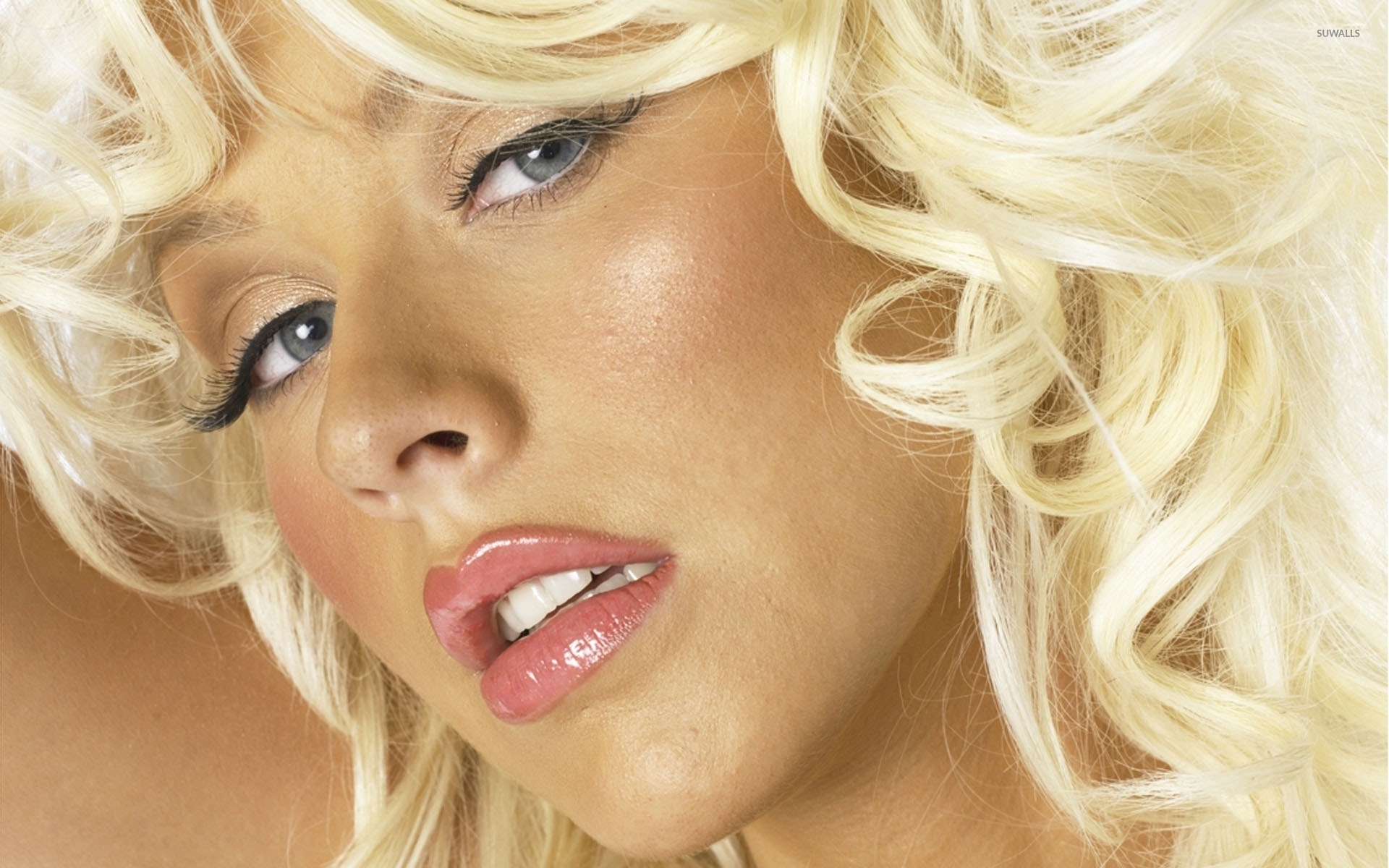
You remember the video. The chaps. The boxing ring. The sweat. But mostly, you remember that hair.
When the "Dirrty" music video dropped in 2002, it didn't just ruffle feathers—it basically set the old Christina Aguilera image on fire and danced on the ashes. At the center of this firestorm was Christina Aguilera black and blonde hair, a look so polarizing it earned the nickname "skunk hair."
Back then, the media was absolutely brutal. They called her "skeezy" and "ratty." Looking back now, it's clear she was just years ahead of a trend that would eventually cycle back into the mainstream. It wasn't just a dye job; it was a middle finger to the bubblegum pop machine that had kept her in pigtails and pastel gloss for years.
The Birth of the "Xtina" Aesthetic
To understand why she went for those heavy black lowlights, you have to look at where she was mentally. She was 21, coming off the massive success of her debut, and she was bored. Well, maybe "bored" is too light a word. She was stifled.
The industry wanted her to be the blonde, blue-eyed girl next door forever. So, what does a powerhouse vocalist do when she's tired of being a puppet? She hires a new team and decides to look like a person who hasn't slept in three days—and makes it fashion.
The Christina Aguilera black and blonde hair combo was designed to be jarring. It wasn't meant to look "pretty" in the traditional sense. It was about contrast. You had these platinum, almost white-blonde strands on top, and then these deep, chunky black layers underneath. It was messy, it was tangled, and honestly, it was exactly what the Stripped era needed to feel authentic.
Why the Skunk Hair Trend Actually Worked
Technically, this look is a masterclass in early 2000s "more is more" philosophy. Nowadays, we spend hundreds of dollars on "seamless blends" and "soft balayage." Back then? If you couldn't see exactly where the color changed, you weren't doing it right.
- High Contrast: The black wasn't a subtle brown; it was raven.
- Texture: It was often paired with crimping, micro-braids, or "wet" looks.
- The "Under-Lights": Keeping the dark color on the bottom layers meant the hair looked different every time she moved.
It’s kinda wild to think about how much hate she got for it. Critics at the time focused on her looking "unclean," which was largely a code word for "too sexual." But if you look at the mood boards she was creating with her team (she famously brought bags of journals to her recording sessions with Linda Perry), the hair was a shield. It was a way to reclaim her body.
The 2026 Resurgence: Why It's Back
Trends are cyclical, sure, but nobody expected the "skunk stripe" to make such a hard comeback in the mid-2020s. We're seeing it everywhere on TikTok and in high-fashion editorials. Why? Because we're tired of perfection.
In a world of filtered faces and "Clean Girl" aesthetics, the Christina Aguilera black and blonde hair vibe offers a bit of grit. It’s "Brat" before Brat was a thing. Modern versions are a bit more refined—usually using extensions for the black streaks to avoid the nightmare of trying to bleach them out later—but the spirit is the same. It’s about being seen.
How to Pull Off the Look Today Without Ruining Your Hair
If you’re feeling brave and want to channel your inner Xtina, don't just dump a box of black dye on your head. Believe me, you’ll regret it the second you want to go back to blonde.
- Clip-in Extensions are Your Friend. Seriously. Buy some high-quality human hair extensions in jet black and clip them into the bottom layer of your blonde hair. You get the look without the three-year commitment to stripping black pigment out of your cuticles.
- Go for "Peek-a-Boo" Lowlights. Ask your stylist for chunky lowlights that start an inch away from your part. This keeps the look intentional rather than accidental.
- Condition Like Your Life Depends On It. Mixing high-lift blonde with black dye is hard on the hair. You need a solid protein treatment (like Olaplex or K18) to keep those blonde strands from snapping off.
The Legacy of the Stripped Era
Looking back at the Christina Aguilera black and blonde hair era, it’s about more than just a cool color combo. It was the first time a major female pop star of that generation took full control of her visual identity, regardless of how "ugly" the public thought it was.
She paved the way for artists like Miley Cyrus and Rihanna to have their own "rebellious" phases. She showed that you could be a vocal powerhouse and still wear greasepaint and messy hair. It wasn't a mistake; it was a manifesto.
If you're thinking about trying the look, my best advice is to lean into the messiness. This isn't a style for people who want to look "polished." It's for the days you want to feel a little bit "Dirrty."
Next Steps for Your Hair Transformation:
- Consult a professional colorist: Do not attempt high-contrast black lowlights at home if your hair is already bleached; the risk of "bleeding" (where the black dye stains the blonde) is extremely high.
- Invest in a "Blue" or "Purple" Shampoo: To keep the blonde part of your skunk hair from turning brassy, you'll need a toner-depositing shampoo.
- Gather Inspiration: Look for photos from the 2002 MTV VMAs or the Fighter music video to see how she varied the intensity of the black streaks.