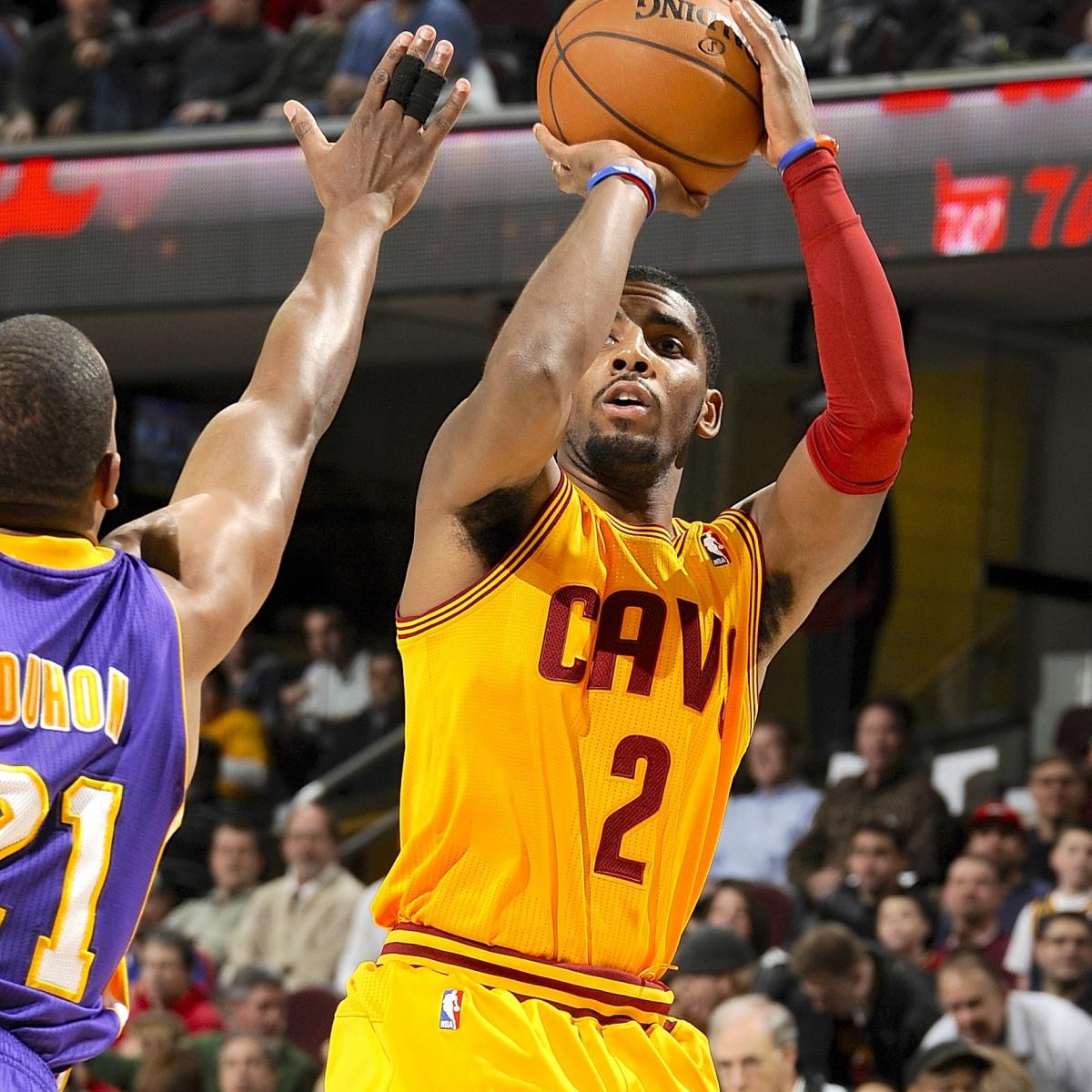
Checking for the score of the cavaliers game is basically a daily ritual for anyone living in Northeast Ohio or following the Eastern Conference playoff race. You know how it goes. You're stuck at work, or maybe you're out to dinner, and you just need to know if Donovan Mitchell is going nuclear or if the defense is actually holding up.
Right now, the NBA season is a grind. Every single night matters. If you’re looking for the live, up-to-the-second score of the cavaliers game, your best bet is always the official NBA App or a quick glance at the ESPN scoreboard. But scores don't live in a vacuum. A 112-105 win feels a lot different than a 112-105 loss where you blew a twenty-point lead in the fourth quarter.
The Cavs have this weird way of making every game feel like a high-stakes drama. It’s never just a number. It’s about the spacing, the way Evan Mobley is crashing the boards, and whether the bench unit is actually providing some spark.
Finding the Real-Time Score of the Cavaliers Game Without the Fluff
Look, I get it. You want the numbers. If the game is happening right now, you can find the score of the cavaliers game by hitting up Google’s dedicated sports snippet. It’s the fastest way. But if you want the "why" behind the score, you have to look at the box score.
Usually, the Cavs’ success hinges on their backcourt efficiency. If Mitchell and Garland are shooting over 45% from the field, the score usually reflects a comfortable lead. When they struggle, the score stays low, and the game becomes a defensive slugfest. That’s the identity of this team. They win in the mud.
Why the Final Score Doesn't Always Tell the Whole Story
Sometimes you see a final score and think, "Oh, they got blown out." But maybe they were within three points with two minutes left and had to foul. The score of the cavaliers game can be deceptive. For example, in a recent matchup against a divisional rival, the final margin was ten points, but Cleveland actually led for 40 minutes of the game. A late-game collapse or a couple of missed free throws can turn a dominant performance into a statistical "close call."
It's about the "Clutch Time" metrics. The NBA defines this as the final five minutes of a game when the score is within five points. The Cavs have been one of those teams that either thrives or dives in these moments. Honestly, watching the score ticker during the fourth quarter is enough to give any Clevelander a minor heart attack.
Tracking the Cavs Performance Throughout the Week
If you missed the score of the cavaliers game last night, you're probably looking at the standings too. The Eastern Conference is a mess of talent. One win can jump you from the fifth seed to the third seed. One loss can send you sliding toward the play-in tournament.
- Road Games: The Cavs have historically struggled more on the second night of a back-to-back. If the score looks ugly, check the schedule. They might have been playing at 10 PM in Salt Lake City the night before.
- Home Court Advantage: Rocket Mortgage FieldHouse is a fortress. The crowd energy genuinely impacts the defensive intensity. Scores at home tend to favor the Cavs by a wider margin, especially against sub-.500 teams.
- Injury Reports: You can't talk about the score without talking about who was actually on the floor. If Max Strus is out, the floor spacing dies. If Jarrett Allen is out, the opponent’s score in the paint is going to skyrocket.
Where to Get the Best Analysis After the Score is Final
Once the game is over and the final score of the cavaliers game is etched into the record books, the real work starts for the analysts. Local guys like Chris Fedor or the crew at The Athletic usually have the best breakdown of what actually happened. They look at the "Plus-Minus" stats which often tell a much more interesting story than the total points.
Did the starters win their minutes? Did the bench lose the game in the second quarter? These are the things you miss if you just look at the final tally on your phone while you’re waiting for a bus.
Common Misconceptions About the Cavs Scoring
People think the Cavs are just a "slow" team because they play tough defense. That's not always true anymore. Under the right conditions, they can push the pace. However, their defensive rating is usually top-five in the league. This means the score of the cavaliers game is often lower than a game involving the Pacers or the Kings. It’s a different brand of basketball. It’s grit. It’s physical. It’s very "Cleveland."
If you see a score like 98-92, don't assume it was a boring game. In the modern NBA, holding a team under 100 points is like pitching a shutout in baseball. It’s an elite accomplishment.
What to Do Now That You Know the Score
Knowing the score of the cavaliers game is just the first step for a real fan. If they won, you're looking at the highlights on YouTube. If they lost, you're probably checking the injury report or the trade rumors to see how they can fix the holes in the roster.
- Check the Playoff Seedings: Every win or loss shifts the percentage of home-court advantage.
- Watch the Post-Game Interviews: Coach Kenny Atkinson often gives away tactical insights that explain why the score ended up the way it did.
- Review the Box Score: Look specifically at turnovers. The Cavs have a habit of letting games slip away because of sloppy passing in the third quarter.
- Mark Your Calendar: The NBA schedule is relentless. The next game is usually only 48 hours away.
The best way to stay ahead is to set up notifications on your phone specifically for "Cleveland Cavaliers." This way, you get the final score pushed to your lock screen the second the buzzer sounds. No more searching, no more refreshing. Just the raw data right when you need it.
The season is long, and the score of a single game in January might feel small, but these are the moments that build the chemistry needed for a deep run in May and June. Keep an eye on the defensive rotations and the free throw percentages; that’s where the real games are won and lost.