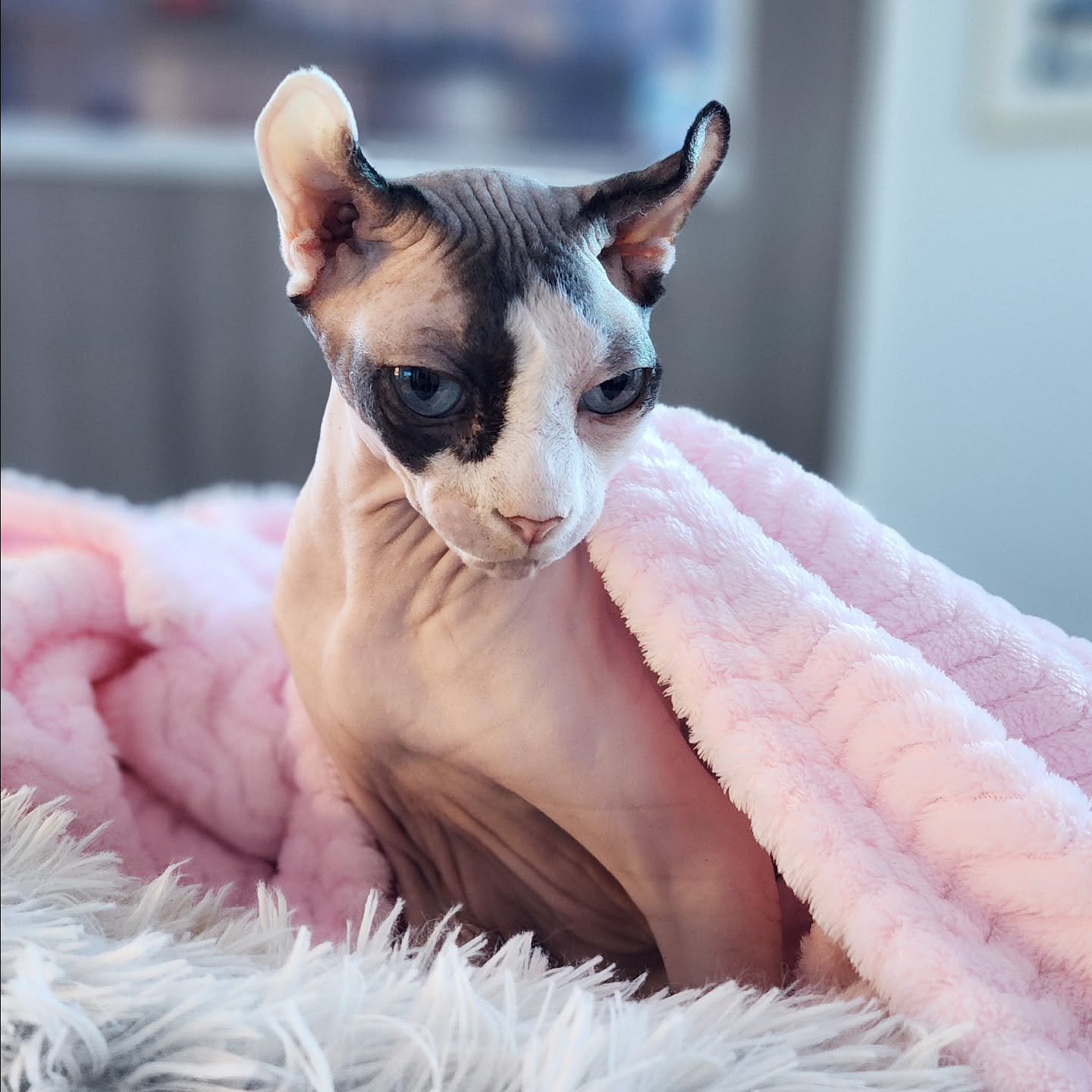
Let’s be real for a second. If I told you a cat lived to be 38 years old, you’d probably assume I was exaggerating or that someone lost track of the paperwork. Most cats are lucky to hit 15. If they reach 20, they’re basically the feline version of a centenarian. But Creme Puff, a nondescript mixed tabby from Austin, Texas, didn't just break the record; she shattered it into a million pieces. She was born on August 3, 1967, and she didn't pass away until August 6, 2005. That is three decades and eight years of life.
Think about that timeline. When Creme Puff was a kitten, the Beatles were releasing Sgt. Pepper’s Lonely Hearts Club Band. By the time she died, people were watching videos on the newly launched YouTube and carrying around the first generation of iPods. It's a staggering amount of time for a biological organism that usually weighs less than ten pounds.
But here is where things get weird. She wasn't an anomaly in her own house. Her owner, Jake Perry, also owned a cat named Granpa Rexs Allen, who lived to be 34. When one cat lives forever, it's a miracle. When two cats in the same house live that long? That's a pattern. And honestly, it’s a pattern that has left veterinarians and cat lovers scratching their heads for years.
The Man Behind the Legend: Jake Perry’s "Secret Sauce"
You can’t talk about Creme Puff without talking about Jake Perry. He wasn't some high-tech biohacker or a laboratory scientist. He was an Austin plumber with a very specific, somewhat eccentric approach to feline husbandry. People often want a simple answer—like a specific brand of kibble—but Perry’s methods were a strange mix of high-protein dieting and what some might call "cat enrichment" on steroids.
The diet is usually the first thing people ask about. It wasn't just standard grocery store fare. Perry reportedly fed his cats a diet that included commercial cat food, but also some very "un-cat-like" additions: broccoli, eggs, turkey bacon, and coffee with heavy cream.
Wait, coffee?
Yeah. Every two days, Creme Puff allegedly got an eyedropper full of coffee. Now, before you go pouring a Starbucks latte into your cat's bowl, do not do this. Caffeine is generally considered toxic to cats. It can cause heart palpitations and muscle tremors. Why it didn't kill Creme Puff is a mystery that defies most veterinary advice. Perry also gave his cats a small amount of red wine every few days, claiming it helped circulate the blood. Again, alcohol is toxic to pets. It’s possible these were very minute amounts, or it’s possible Creme Puff had a liver made of titanium.
More than just a weird menu
It wasn't just the food. Perry turned his home into a feline paradise. He rigged up his house with a series of wooden tracks along the walls—basically a private highway system for cats so they never had to touch the floor if they didn't want to. He also had a screened-in enclosure in the backyard so they could experience the outdoors without the risks of cars, coyotes, or fights with the neighborhood strays.
He also showed them nature documentaries. Constant mental stimulation.
Most house cats die of boredom or kidney failure. Perry’s cats seemed to have neither. They were constantly moving, constantly thinking, and eating a calorie-dense diet that would probably give a normal cat a heart attack.
Why Creme Puff Still Matters in 2026
We live in an era where "longevity" is a massive industry. People are obsessed with living to 120. But for pet owners, the goal is simpler: we just want a few more years with our best friends. Creme Puff represents the absolute upper limit of what is biologically possible for a domestic cat (Felis catus).
The Guinness World Records formally recognized her, and she still sits at the top of the list. There have been challengers, sure. Every few years, a story pops up on social media about a 40-year-old cat in a remote village, but those stories almost always lack the documentation. Creme Puff had the records.
The Genetics vs. Environment Debate
Was it just luck? Maybe. Scientists often point to the "nature vs. nurture" debate. While Perry’s care was clearly meticulous (if a bit bizarre), there's a strong argument for genetics. However, Granpa Rexs Allen—the other 34-year-old cat—was a Sphynx/Devon Rex cross. Creme Puff was a domestic tabby. They weren't related.
This suggests that while genetics provide the floor, the environment provides the ceiling. If two unrelated cats in the same household both lived double the average lifespan, we have to look at the environment.
- Stress Reduction: The "cat tracks" on the walls allowed the cats to feel safe and high up, reducing cortisol.
- Physical Activity: Moving through the house wasn't just walking; it was an obstacle course.
- Dietary Variety: While some of Perry’s additions were questionable, the inclusion of fresh vegetables and high-quality proteins like eggs may have provided micronutrients missing from 1970s-era commercial cat food.
Common Misconceptions About Creme Puff’s Life
People love to simplify the story. You’ll see TikToks or Reels saying "This cat lived to 38 because she drank wine!" That’s a dangerous oversimplification.
First, the wine and coffee were small parts of a very comprehensive care routine. Second, we don't actually know if those things helped or if the cats survived despite them. It’s very likely the latter. Most experts agree that the coffee and wine likely had nothing to do with her longevity and could have actually been harmful to a cat with less "rugged" genetics.
Another misconception is that she was a "lucky stray." While she was a rescue, her life was incredibly structured. Perry was known to spend significant amounts of money on his cats' well-being and health checks. This wasn't a "hands-off" outdoor cat who just happened to stay healthy. This was an indoor cat who was pampered to an extreme degree.
What We Can Actually Learn from the World's Oldest Cat
If you want your cat to live a long time, don't go out and buy a bottle of Merlot. Instead, look at the logical parts of Jake Perry’s method.
Stimulation is non-negotiable. A bored cat is a stressed cat. Whether it's "catified" shelving or regular play sessions, keeping a cat's brain active seems to have a direct correlation with their physical health.
Weight management. While Perry fed "rich" foods, his cats were active. Obesity is the number one silent killer of domestic cats. It leads to diabetes, arthritis, and kidney issues.
Hydration. This is the big one. Cats have a low thirst drive because they evolved from desert animals. They are designed to get moisture from their prey. Perry’s mix of wet foods and "treats" likely kept Creme Puff’s kidneys flushed—a major hurdle for senior cats.
The Statistical Reality
According to data from the American Veterinary Medical Association (AVMA), the average lifespan for an indoor cat is 12 to 15 years. Getting a cat to 20 is like a human living to 100. Getting a cat to 38? That's the equivalent of a human living to be about 160 or 170 years old.
It is an outlier of such massive proportions that it may never be repeated.
Actionable Steps for Your Own Cat's Longevity
You probably won't hit 38. Let's be honest. But you can certainly aim for 20+. Based on what the "Creme Puff case" teaches us about feline health and modern veterinary science, here are the most impactful things you can do:
- Vertical Territory: Install shelving or "cat trees" that allow your cat to traverse a room without hitting the floor. It builds muscle and reduces the stress of feeling trapped.
- Ditch the "All-Dry" Diet: Even the cheapest wet food is often better for kidney health than high-end dry food because of the moisture content.
- Blood Work at Age Seven: Don't wait until your cat is "old" to start senior checkups. Start a baseline at age seven so your vet can spot tiny shifts in kidney or thyroid values before they become crises.
- Controlled Micro-Doses of "Nature": If you have a backyard, look into a "Catio." It provides the mental stimulation of the outdoors (smelling the air, watching birds) without the risk of trauma or parasites.
- Stop the Free-Feeding: Jake Perry was very specific about what his cats ate. Leaving a bowl of kibble out 24/7 is a recipe for an overweight, lethargic cat.
The story of Creme Puff isn't just a "Believe It or Not" trivia point. It’s a testament to how much impact a dedicated owner can have. While the coffee and wine remain some of the weirdest footnotes in animal history, the core of the story is about a man who gave his cats a reason to keep waking up every morning for nearly four decades.
Invest in your cat's environment today. Whether it’s a new scratching post or just five minutes of intense laser-pointer play, it matters. We might not all have 38 years, but we can make the years we do have a lot more interesting.