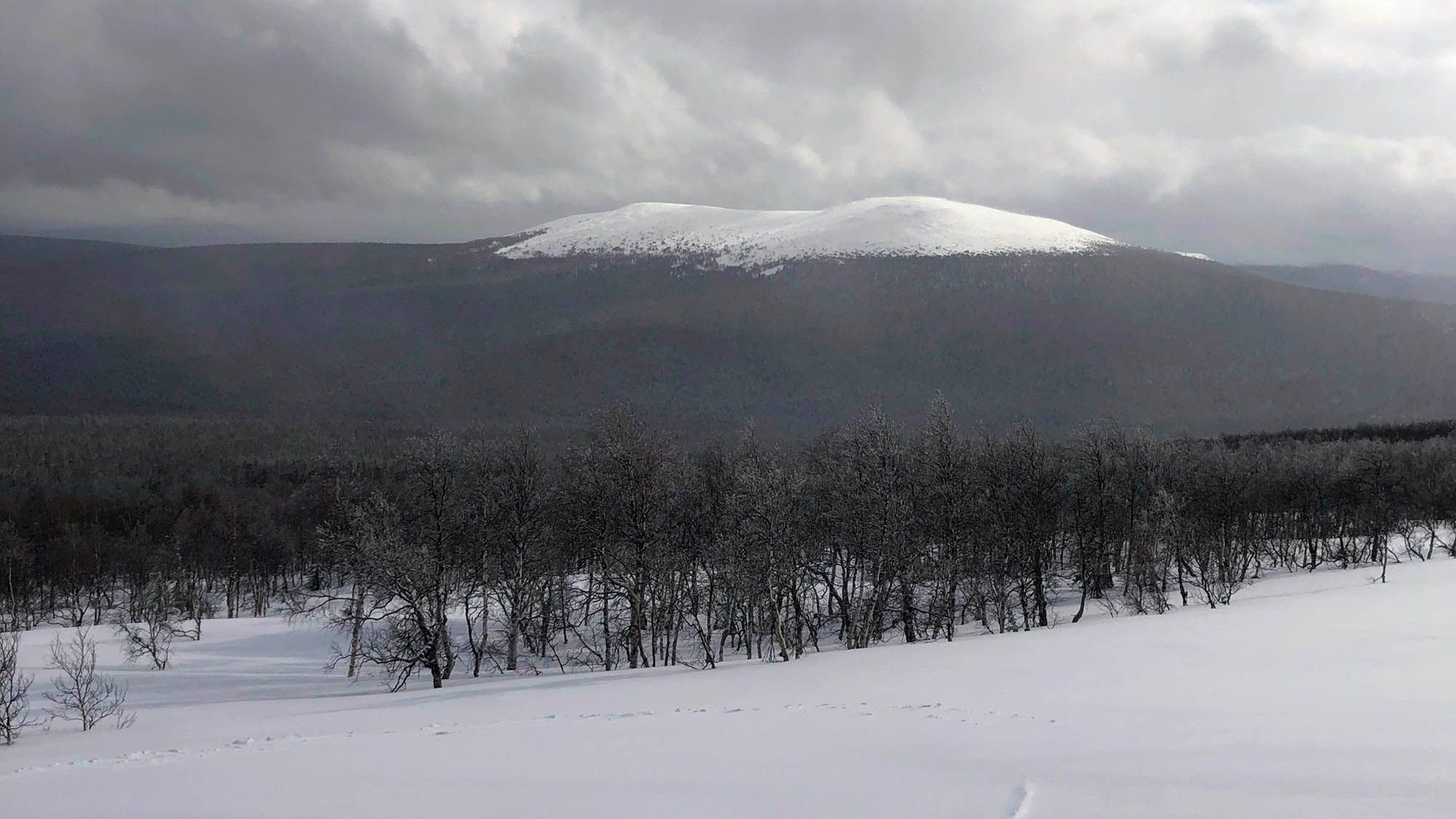
The Dyatlov Pass Incident is one of those creepy true stories that just sticks in the back of your brain. You’ve probably heard the basics: nine experienced hikers head into the Russian Ural Mountains in 1959, and they never come back. When searchers find them, the tent is ripped from the inside, and some of the bodies are halfway dressed in the freezing cold. Oh, and some had "car crash" level internal injuries without a single scratch on their skin. It’s naturally terrifying. So, of course, Hollywood decided to take that real-world nightmare and turn it into a found-footage horror flick.
If you’ve ever sat down to watch the movie Dyatlov Pass incident (officially titled Devil’s Pass in many regions), you know it goes from "historical documentary" to "what on earth am I watching?" real fast. Directed by Renny Harlin—the guy who did Die Hard 2 and Cliffhanger—this movie doesn't just stick to the avalanche theory. It goes full-blown sci-fi.
The Wild Plot of the Movie Dyatlov Pass Incident
Honestly, the film starts out pretty grounded. We follow five American college students who get a grant to retrace the steps of the original 1959 group. They want to make a documentary. Standard stuff. They head to Russia, interview some locals, and drink some weird moonshine. But as they get higher into the mountains, things get weird.
The movie spends a lot of time building tension through "found footage" tropes. GPS glitches? Check. Weird footprints in the snow that start and stop out of nowhere? Check. But then, the script takes a hard left turn into the Philadelphia Experiment and government bunkers.
Basically, the students find a hidden Russian military door in the side of the mountain. After an avalanche hits (killing one student and injuring another), Russian "soldiers" show up and start shooting at the survivors. They flee into the bunker, and that’s where the movie Dyatlov Pass incident goes from a survival thriller to a mutant-time-travel nightmare. Inside, they find evidence of teleportation experiments. It turns out the "monsters" chasing them are actually themselves from the future, mutated by the radiation and teleportation.
It’s a lot. If you were looking for a factual retelling, this isn't it. But as a "what if" conspiracy theory movie, it’s actually kind of a fun ride.
Why Do People Keep Talking About This Movie?
The reason people still search for the movie Dyatlov Pass incident years later isn't just because of the jump scares. It’s because the real-life mystery is still technically "unsolved" in the minds of the public. Even though a 2021 study in Communications Earth & Environment by Swiss researchers Johan Gaume and Alexander Puzrin basically proved that a "small, delayed slab avalanche" was the most likely culprit, people want to believe in something more.
Renny Harlin actually spent time in Moscow researching government archives for this film. He’s gone on record saying his personal theory is that a government experiment went wrong. That’s the "vibe" he brought to the screen.
- Real Detail: The "Alya" character in the movie, who claims there were eleven bodies instead of nine, is based on real-life rumors that the Soviet military moved bodies before the official search party arrived.
- The Tongue: One of the most famous real-life details is Lyudmila Dubinina, who was found missing her tongue. The movie uses this as a plot point for its monsters, though experts say it was likely just scavengers or natural decomposition.
How Much of the Movie Dyatlov Pass Incident is Actually Real?
Kinda very little, but also a tiny bit. Let's look at the crossover.
The movie correctly mentions the "Unknown Compelling Force." That was the actual official conclusion of the Soviet investigators in 1959. It’s a wonderfully ominous phrase that sounds like it was written by a horror novelist. The film also gets the location right—Kholat Saykhl, which translates to "Dead Mountain" in the local Mansi language.
But the teleportation? The mutants? The wormholes? Yeah, that’s all Vikram Weet (the screenwriter) having some fun. There is zero evidence of a secret bunker at the actual site, although the area was used for military tests in the general region during the Cold War, which fueled the "secret weapon" theories for decades.
The Found Footage Style: Hit or Miss?
Look, found footage is a polarizing genre. Some people love the "realism," others just get motion sickness. Devil’s Pass manages to look surprisingly good for its budget. They actually filmed in northern Russia, and you can feel the cold. The cinematography isn't as shaky as The Blair Witch Project, which is a plus.
The most controversial part for fans of the actual mystery is the ending. It ties the 1959 tragedy to the 2013 filmmakers in a "closed loop" time travel twist. It’s a "love it or hate it" moment. If you like Interstellar or Dark, you might dig it. If you wanted a movie about hikers dying of hypothermia, you're going to be annoyed.
Better Ways to Explore the Dyatlov Pass Mystery
If the movie Dyatlov Pass incident left you wanting more facts and fewer mutants, there are some better places to look.
First, read Dead Mountain by Donnie Eichar. He actually trekked to the spot and used forensic science to suggest that "infrasound" (wind patterns that cause physical illness and panic) might have been what drove the hikers out of their tents. It’s a fascinating, grounded take.
There is also a 2020 Russian TV series called Dead Mountain: The Dyatlov Pass Incident. It’s way more respectful to the victims. It alternates between the hikers' journey in black and white and the investigation in color. It’s probably the best on-screen depiction of the actual events ever made.
Actionable Insights for Mystery Buffs
If you’re planning on diving deeper into this rabbit hole, here is how to separate the Hollywood fluff from the history:
- Check the Autopsies: Look for the actual medical reports from 1959. You’ll find that while the injuries were severe, they weren't "supernatural."
- Understand "Slab Avalanches": Research the 2021 Swiss study. It explains how a specific type of snow slide can cause blunt force trauma without burying a whole camp.
- The Radiation: The "radioactive clothes" mentioned in the movie were real, but two of the hikers worked in nuclear facilities. Context matters.
- Watch the 2020 Series: If you want the "real" movie Dyatlov Pass incident, skip the 2013 horror flick and find the Russian drama series. It’s much more accurate to the hikers' actual diaries.
The 2013 movie is a cult classic for a reason—it’s weird, it’s bold, and it’s unapologetically "out there." Just don't use it for your history homework. The real tragedy of the nine hikers who died on Dead Mountain is sadder and more human than any CGI mutant could ever be. It was a story of a group of friends who fought to the very end to save each other from the most brutal environment on Earth.
To truly understand the incident, focus on the original diary entries and photos found in the snow. Those final photos of the group smiling and laughing are what make the mystery so hauntingly personal.