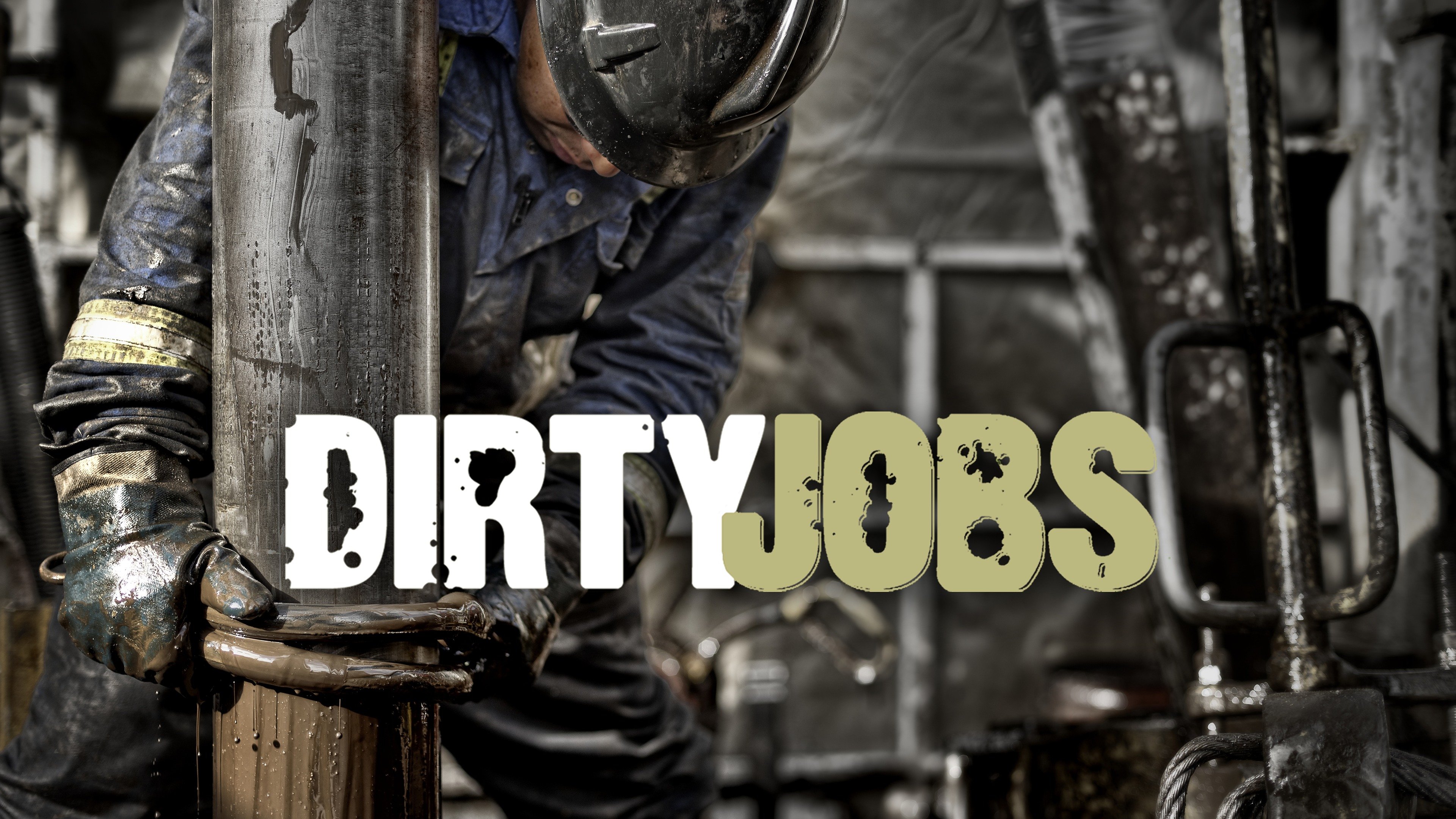
Mike Rowe didn't just get dirty. He got wrecked. By the time Dirty Jobs Season 3 rolled around in 2007, the Discovery Channel had realized they weren't just making a show about careers; they were documenting a weird, visceral kind of American endurance. People often forget how experimental this specific era of cable television was. It wasn't the polished, over-produced reality TV we see now. It was raw.
It was also gross. Really gross.
If you go back and watch these episodes today, you’ll notice something shifted during this production cycle. The crew—guys like Dave Barsky and Doug Glover—became actual characters in the narrative. Season 3 is where the fourth wall basically disintegrated. You weren't just watching a guy clean a septic tank; you were watching a production team struggle to keep their cameras from melting in the heat or getting coated in bird droppings. It was the peak of the "Everyman" era of television.
Why Dirty Jobs Season 3 Hits Differently Than The Rest
Most fans point to the early seasons as the "golden age," but Season 3 is technically where the show found its rhythm. The premiere alone was a gauntlet. Mike headed to a "Bone Crusher" facility. It’s exactly what it sounds like. It turns animal carcasses into fertilizer and feed. Most people think they know what "gross" is until they see a mountain of cow heads being processed for industrial use.
It’s about the smell. You can’t smell a television screen, yet Mike’s visceral reactions—the dry heaving, the genuine look of "why am I here?"—made it palpable.
What made these specific episodes work wasn't just the filth. It was the workers. Season 3 introduced us to people like the "Vomit Island" researchers and the folks doing "Skull Cleaning." These weren't people who felt sorry for themselves. They were proud. They were experts. Mike's genius was always his ability to shut up and let the professional explain the nuances of, say, owl pellet collection or turkey insemination.
The Episodes That Defined The Season
Let's talk about the "Snake Researcher" episode. This wasn't just Mike poking at reptiles with a stick. He went to Lake Erie to work with Nerodia sipedon insularum—the Lake Erie water snake. At the time, they were a threatened species. Mike had to help researchers capture them, which sounds fine until you realize these snakes have a defense mechanism that involves vomiting half-digested fish and defecating on their captors.
It was chaotic. It was hilarious. It was educational in the most disgusting way possible.
Then you had the "Pigeon Poop" job. In California, Mike joined a crew cleaning up under a bridge. It sounds mundane. It wasn't. Decades of accumulated bird droppings create a toxic, powdery dust that can cause Histoplasmosis. Seeing Mike in a full hazmat suit, struggling to breathe while scraping literal tons of waste, changed the perspective for a lot of viewers. It wasn't just "dirty" anymore; it was dangerous. It was "Dirty Jobs Season 3" that really drove home the health risks these essential workers face every single day without a thank you.
The Production Reality Nobody Talks About
Making this show was a nightmare. Honestly.
Barsky, the producer, often talked about how the gear would just die. In Season 3, they were frequently in environments that were either too hot, too wet, or too acidic for standard broadcast equipment. They were pioneering a "run and gun" style that later influenced everything from Deadliest Catch to modern YouTube vlogging.
- They never used scripts. If Mike fell, they kept it.
- If a worker was grumpy or hated the camera, that became part of the story.
- The "field notes" segments were born out of a need to fill time because sometimes the jobs were so difficult they couldn't get enough usable footage.
The show's footprint was tiny. It was usually just Mike and three or four guys. No massive trailers. No catering. Just a van and a lot of wet wipes.
Is It Still Relevant?
You might think a show from 2007 is a relic. You’d be wrong. The "skills gap" that Mike Rowe talks about constantly today—the idea that we have millions of open jobs in trades that nobody wants to do—found its footing during this season.
We saw the "Bituminous Coal Miner" episode. Mike went deep into a mine in Pennsylvania. This wasn't a PR stunt for a coal company. It was a gritty, dark, cramped look at the people who keep the lights on. It showed the physical toll of the work. You saw the dust. You saw the sweat. It made the "desk job" crowd feel a weird mix of guilt and immense respect.
The Nuance of the "Gross-Out" Factor
Critics at the time sometimes dismissed the show as "fecal humor." That's a lazy take. If you look closely at the "Bio-Diesel Man" or the "Chimney Sweep" episodes, you see a celebration of chemistry and physics.
Cleaning a chimney isn't just about a brush. It's about airflow, creosote accumulation, and fire prevention. Season 3 did a great job of layering the "how-to" under the "eww." It’s basically a science show dressed up in a mud-stained t-shirt.
The Legacy of the 2007 Run
When you look back at the 20+ episodes produced during this cycle, you see a map of the American infrastructure that we usually choose to ignore. We don't want to think about where our garbage goes, how our bridges stay standing, or who cleans the tanks at the aquarium.
Mike Rowe became the proxy for our collective ignorance. He was the guy willing to ask the "stupid" questions so we didn't have to.
The season didn't have a flashy finale. It didn't need one. It just ended with Mike probably heading to a hotel shower to scrub off something that shouldn't be on human skin. That was the point. The work never actually ends; it just waits for the next shift.
What You Should Do If You're Re-Watching
If you're going back through the archives, don't just watch for the laughs. Look at the hands of the people Mike is interviewing. Look at the calluses and the scars.
- Watch for the "mucking" scenes: Notice how the professionals move. There is an efficiency of motion in a "dirty" job that you don't see anywhere else.
- Pay attention to the safety gear: It’s a fascinating snapshot of mid-2000s industrial standards.
- Track the humor: Notice how Mike uses self-deprecation to bridge the gap between his "TV star" status and the reality of the person he's working with.
To truly understand why Dirty Jobs Season 3 worked, you have to accept that the dirt was the least important part of the show. It was always about the people who weren't afraid to get it under their fingernails.
If you want to dive deeper into the trades mentioned in the show, the best move is to look up the mikeroweWORKS Foundation. They’ve turned the ethos of the show into an actual scholarship program for trade schools. It's the most practical way to see the show's impact in the real world. Also, check out the Discovery+ archives; the remastered versions of the "Bone Crusher" and "Wild Goose Chase" episodes hold up surprisingly well on modern screens, even if the 4:3 aspect ratio occasionally gives away the show's age.