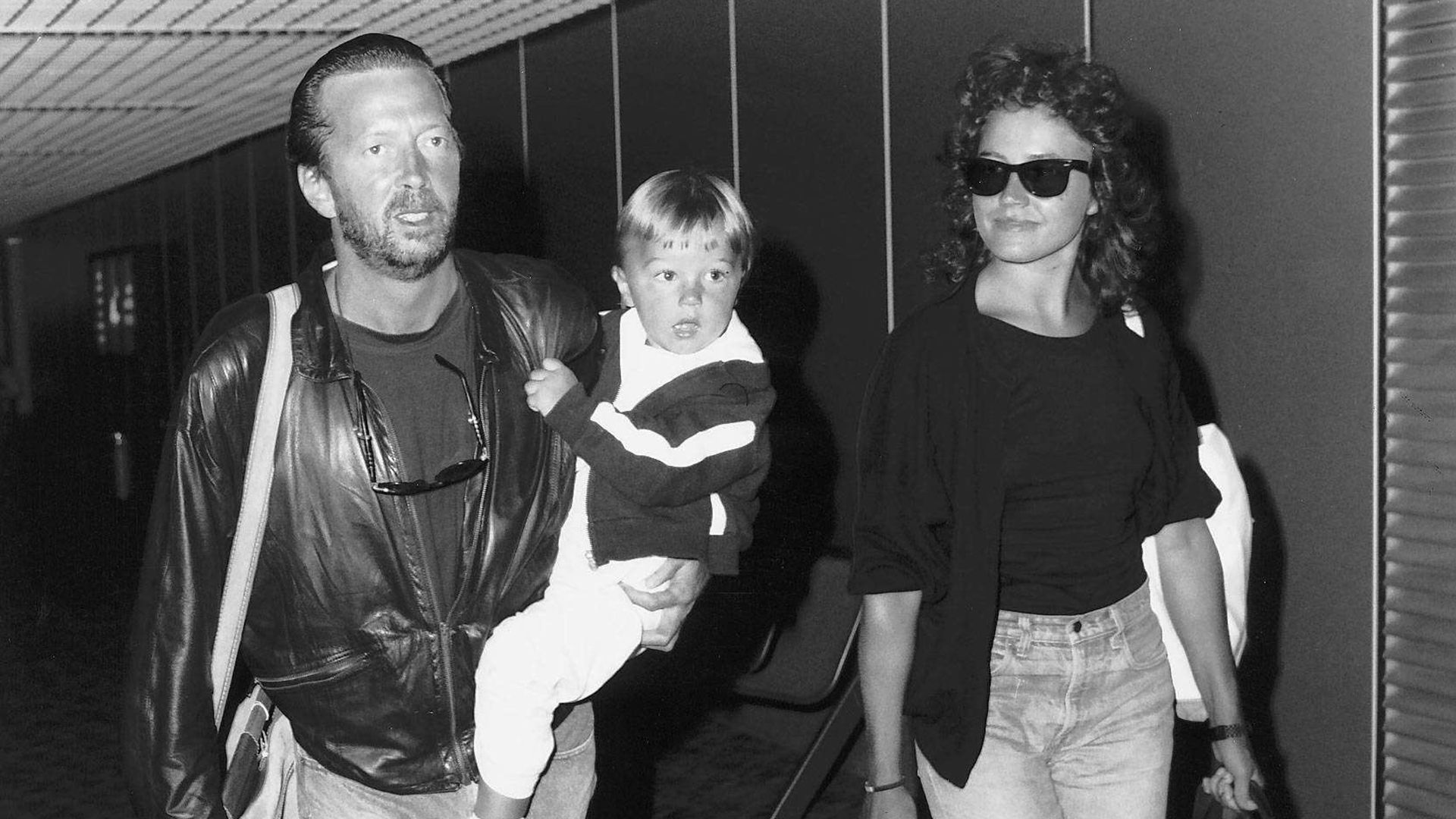
March 20, 1991. It started as a completely normal Wednesday in New York City. Eric Clapton was staying at a hotel nearby, getting ready to pick up his four-year-old son, Conor, for a day out. They had plans for lunch and a trip to the Central Park Zoo. The night before, they’d gone to the circus, and by all accounts, they were having the time of their lives.
Then the phone rang.
It was Lory Del Santo, Conor’s mother. She was hysterical. She told Eric that Conor was dead. He’d fallen from a 53rd-floor window of their Manhattan apartment.
Most people know "Tears in Heaven" as the eric clapton song about his son, but the story of how that track came to be—and the sheer weight of the grief behind it—is far more complex than just a sad melody on the radio. It wasn’t just a hit song. For Clapton, it was a literal lifeline that kept him from spiraling back into the addiction that had nearly killed him years earlier.
The Tragedy at the Galleria
Conor Clapton was a high-energy four-year-old. On that morning, a janitor had been cleaning the windows in the apartment. One of those floor-to-ceiling windows had been left open.
In a heartbeat, the unthinkable happened. Conor ran past his nanny, heading for the window he usually pressed his nose against to look at the city. But the glass wasn't there. He fell over 500 feet to the roof of a neighboring building.
Clapton arrived at the scene to find ambulances and a crowd. He later said he felt like he had walked into someone else’s life. He was numb. At the funeral in Surrey, England, he was a ghost of a man. This was a guy who had survived heroin and massive amounts of alcohol, but this loss was different. It was a "shame" he said he’d never fully recover from—the feeling that he should have run to his son, even though there was nothing anyone could do.
How Tears in Heaven Actually Came Together
Contrary to what many think, Clapton didn't just sit down and write the whole song alone in a room. He was actually working on the soundtrack for a movie called Rush at the time.
He had the first verse. He had the melody. But he was stuck. He reached out to Will Jennings, a legendary songwriter who had worked with Steve Winwood.
Jennings was hesitant. He told Eric the subject was too personal, that Eric should finish it himself. But Eric insisted. He needed help to structure the grief.
Why the Lyrics Hit Different
The song asks a question that every grieving person has whispered to the dark: "Would you know my name / If I saw you in heaven?" It’s not a song about a kid dying; it’s a song about a father wondering if he's even worthy of being recognized by his son in the afterlife.
- The Healing Process: Clapton used the music as a "healing agent."
- The Unplugged Version: The 1992 MTV Unplugged performance turned the song into a global phenomenon.
- The Decision to Stop: In 2004, Clapton actually stopped performing the song for a decade. He said he no longer felt the loss in the same way and didn't want to perform it without that raw, authentic connection.
It Wasn't Just One Song
While the world focuses on "Tears in Heaven," it wasn't the only eric clapton song about his son. There were others that explored different angles of the same wound.
"Circus Left Town" is a haunting track about that final night at the circus. It’s arguably more heartbreaking because it captures the mundane joy right before the floor dropped out.
Then there’s "My Father’s Eyes." This one is fascinating because it connects Conor to Eric’s own father, a Canadian soldier he never met. Eric realized that the closest he ever got to looking into his father’s eyes was when he looked into Conor’s. It’s a "strange cycle," as he put it, a search for identity through the lens of a child who was now gone.
The Legacy of a Heartbreak
"Tears in Heaven" swept the Grammys in 1993, winning Record of the Year and Song of the Year. But if you ask Eric, the awards didn't matter as much as the fact that the song kept him sober.
He had been clean for about three years when Conor died. Most people expected him to relapse. Instead, he grabbed an acoustic guitar and stayed in Antigua for a year, just playing.
Honestly, the song changed how we talk about grief in pop music. It wasn't "produced" to death. It was sparse. It was quiet. It forced the listener to sit in the silence of that hotel room with him.
What We Can Learn From the Story
If you're looking for the "meaning" of the eric clapton song about his son, it's basically this: grief doesn't go away, but it can be transformed.
- Music is a Tool: You don't have to be a rockstar to use creativity to process pain.
- Honesty Matters: Clapton didn't hide his struggle; he invited the world into it.
- Recovery is Possible: Even in the face of the worst tragedy imaginable, you can stay the course.
Clapton eventually returned the song to his setlist in 2013. The "sting" was gone, replaced by a sort of peaceful remembrance. It’s a reminder that even the deepest scars eventually stop bleeding, even if they never quite disappear.
To really understand the impact, go back and watch the 1992 Unplugged footage. Pay attention to his eyes. He isn't performing for the cameras; he's singing to a four-year-old boy who isn't there.
If you want to explore this further, listen to the Rush soundtrack version versus the Unplugged version. The Unplugged take is much more intimate and is generally considered the definitive version of the story. You can also read Clapton's 2007 autobiography for the most detailed, first-hand account of that day in New York.