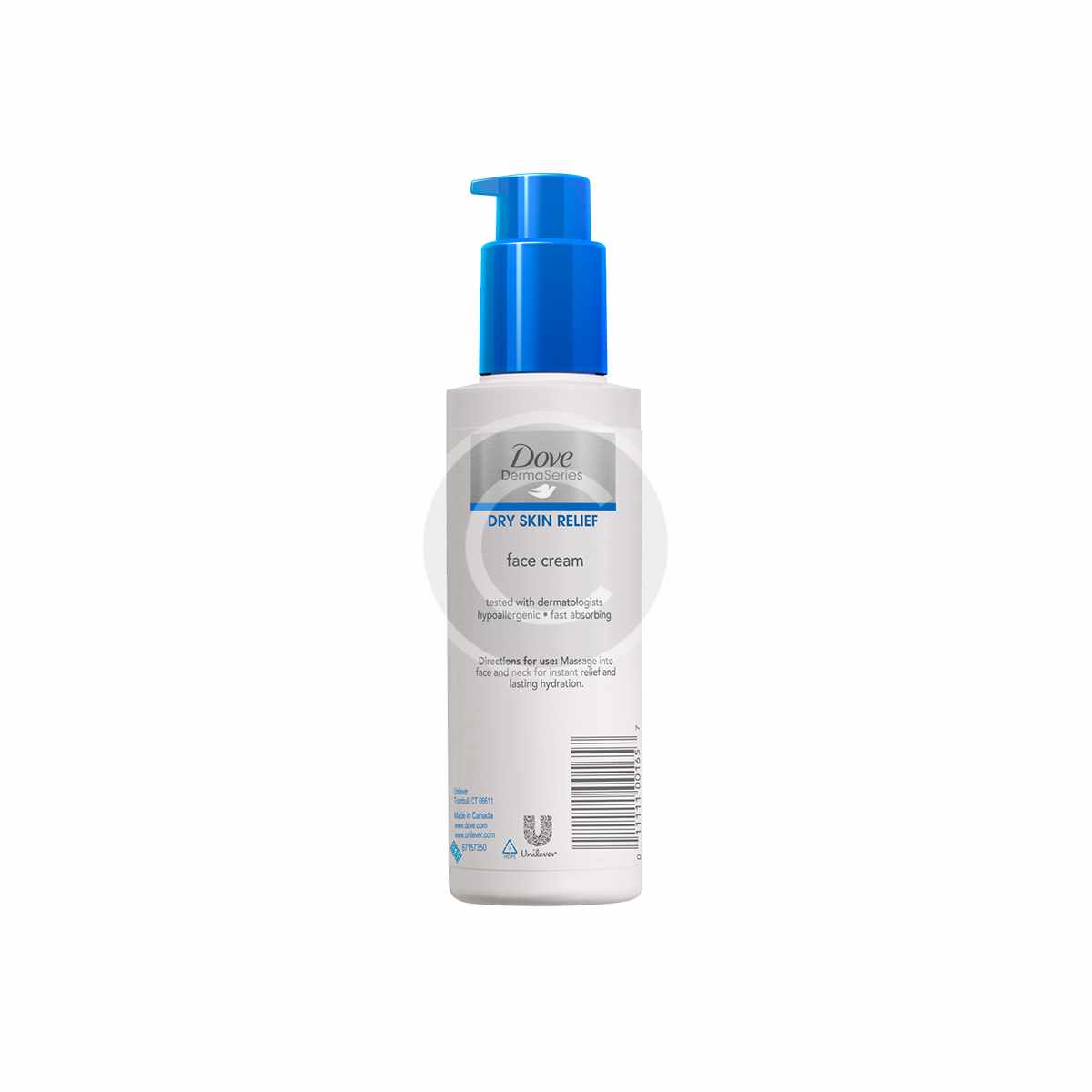
You’ve been there. It’s 3:00 PM, and your face feels like it’s two sizes too small. You applied a thick, expensive sludge this morning, yet here you are, flaking around the nose and feeling that familiar, tight tug across your cheekbones. It’s annoying. Actually, it’s beyond annoying—it’s physically uncomfortable and makes makeup look like cracked desert earth. Most people think the solution to finding the right face cream for dry skin is just "apply more oil." Honestly? That’s usually why they fail.
Dry skin isn't just about a lack of grease. It’s a structural failure. Your skin barrier, that microscopic brick-and-mortar wall that keeps the good stuff in and the bad stuff out, has gaps. If you just slap oil on top of a broken barrier, the moisture underneath still evaporates. Dermatologists call this Transepidermal Water Loss, or TEWL. If you aren't addressing TEWL, you’re basically trying to fill a bucket with a massive hole in the bottom.
The "Slug" Myth and Why Heavy Creams Fail
There is this huge trend of "slugging"—covering your face in petrolatum-based ointments like Vaseline or Aquaphor. For some, it's a miracle. For others, it’s a breakout waiting to happen. The problem is that many heavy creams for dry skin rely almost exclusively on occlusives. These are ingredients that sit on top of the skin. Think of them like a plastic wrap. They stop water from leaving, sure, but they don't actually repair the skin’s ability to hold water on its own.
A truly effective face cream for dry skin needs a specific ratio of three things: ceramides, cholesterol, and fatty acids. Dr. Peter Elias, a legendary researcher in skin biology, famously found that if you apply just one of these—like just a ceramide—it can actually delay barrier repair. You need the "Golden Ratio." Usually, that’s roughly 3:1:1. When you look at the back of a bottle and see "Ceramide NP" or "Ceramide AP," that’s a start. But if it’s at the very bottom of the ingredient list, below the fragrance and the preservatives, it’s basically "fairy dusting." It’s there for marketing, not for your face.
I’ve seen people spend $200 on a jar of "luxury" cream that is 80% mineral oil and seaweed extract. Is it fine? Yeah. Is it $200 worth of science? Not even close. You're paying for the heavy glass jar and the French name.
Humectants vs. Emollients: The Tug-of-War
You need to know the difference. Humectants are like tiny magnets. They pull water into the skin. Think Hyaluronic Acid, Glycerin, and Urea. Emollients are the smoothers. They fill in the cracks between skin cells. Think Squalane, Shea Butter, and Jojoba oil.
If you live in a bone-dry climate, like Arizona or a heated apartment in NYC during January, Hyaluronic Acid can actually backfire. If there is no humidity in the air for it to grab, it starts pulling water out of your deeper skin layers to hydrate the surface. You end up drier than when you started. It’s wild. This is why you should always apply your face cream for dry skin to damp—not soaking wet, just damp—skin. You’re giving the humectants a reservoir to pull from so they don't rob your own cells.
What about Urea?
Urea is the unsung hero of dry skin care. It’s a "natural moisturizing factor" (NMF) that our skin produces naturally, but dry skin usually lacks it. At low concentrations (around 5%), it’s an incredible hydrator. At higher concentrations, it’s a keratolytic, meaning it gently dissolves the glue holding dead, flaky skin cells together. If your face feels rough and sandpaper-y, a cream with Urea is often a better bet than a basic oil-based balm.
Reading the Label Without a Chemistry Degree
Stop looking at the front of the box. The front is where the lies live. Flip it over.
Look for Glycerin. It’s cheap, it’s boring, and it’s one of the most effective humectants in existence. If it’s in the top three ingredients, you’re on the right track. Then, look for Squalane. Squalane is a stabilized version of squalene, which is a component of our own sebum. It’s incredibly "biocompatible," meaning your skin knows what to do with it. It doesn't feel greasy or heavy, but it locks everything in.
Another one? Shea Butter. It’s high in fatty acids. But be careful—if you’re prone to "clogged pores" or milia (those little white bumps that won't pop), Shea Butter might be too heavy for you. This is the nuance of skin. One person's holy grail is another person's cystic acne trigger.
- Ceramides: Look for NP, AP, or EOP.
- Petrolatum: Don't fear it unless you hate the texture. It’s the most effective occlusive we have.
- Dimethicone: A silicone that gives that "silky" feel and protects the skin from windburn.
- Niacinamide: Great for dry skin because it actually helps your skin produce its own ceramides.
The Alcohol and Fragrance Trap
Marketing people love "refreshing" scents. Your dry, cracked skin does not. Fragrance is one of the most common irritants in skincare. When your skin is dry, your barrier is already compromised. It’s like having a bunch of tiny paper cuts. When you put a heavily perfumed face cream for dry skin on those "cuts," you trigger inflammation. Inflammation makes dryness worse. It's a cycle.
Watch out for "Alcohol Denat" or "Isopropyl Alcohol" high up in the list. These are drying alcohols used to make heavy creams feel lighter and dry faster. They evaporate quickly and take your skin's natural oils with them. Note: "Cetyl Alcohol" or "Stearyl Alcohol" are actually fatty alcohols. They are good. They make the cream creamy. Don't confuse them with the "stinging" kind.
Seasonal Shifts and Your Routine
Your skin isn't a static organ. It changes. In the summer, you might get away with a light lotion. But once the dew point drops? You need to level up.
Think of your skincare like clothing. In the summer, you wear a T-shirt (a light humectant serum). In the winter, you need a T-shirt, a sweater, and a coat. Your face cream for dry skin is the coat. If you’re still flaking, you might need a "sweater" layer—a facial oil. Rosehip oil or Marula oil are fantastic "sweater" layers to pat on over your moisturizer at night.
The Role of pH
Your skin is naturally slightly acidic, around pH 4.5 to 5.5. Many cleansers for dry skin are too alkaline (soapy). If you use a harsh cleanser and then apply a great cream, you're just trying to fix the damage the cleanser did. Switch to a non-foaming, milk-based cleanser. It makes your cream's job ten times easier.
Actionable Steps for Lasting Hydration
Don't just buy a new jar and hope for the best.
- Damp Skin Application: Within 60 seconds of washing your face or showering, apply your cream. Do not towel dry your face completely. Trap that water.
- Layering Logic: Thin to thick. Serums first, then your face cream for dry skin, then an oil or balm if you’re still feeling tight.
- Check Your Humidifier: If you’re sleeping in a room with 15% humidity because the heater is blasting, no cream in the world can save you. Get a humidifier for your bedroom. Aim for 40-50%.
- Patch Test: Especially if you have sensitive skin. Just because a cream is "for dry skin" doesn't mean you won't react to a botanical extract or preservative in it.
- Nighttime is for Repair: This is when you can afford to look like a glazed donut. Go heavy at night. Use a "sleeping mask" or a thicker balm to ensure you don't wake up with "parchment skin."
Basically, stop looking for a "miracle ingredient" and start looking for a balanced formula. Your skin wants lipids, it wants water, and it wants to be left alone by harsh chemicals. Give it those three things, and that tight, itchy feeling will finally start to fade.
The best cream isn't the most expensive one; it's the one that mimics the stuff your skin should be making on its own. Look for those ceramides, keep it fragrance-free, and always, always apply to damp skin.