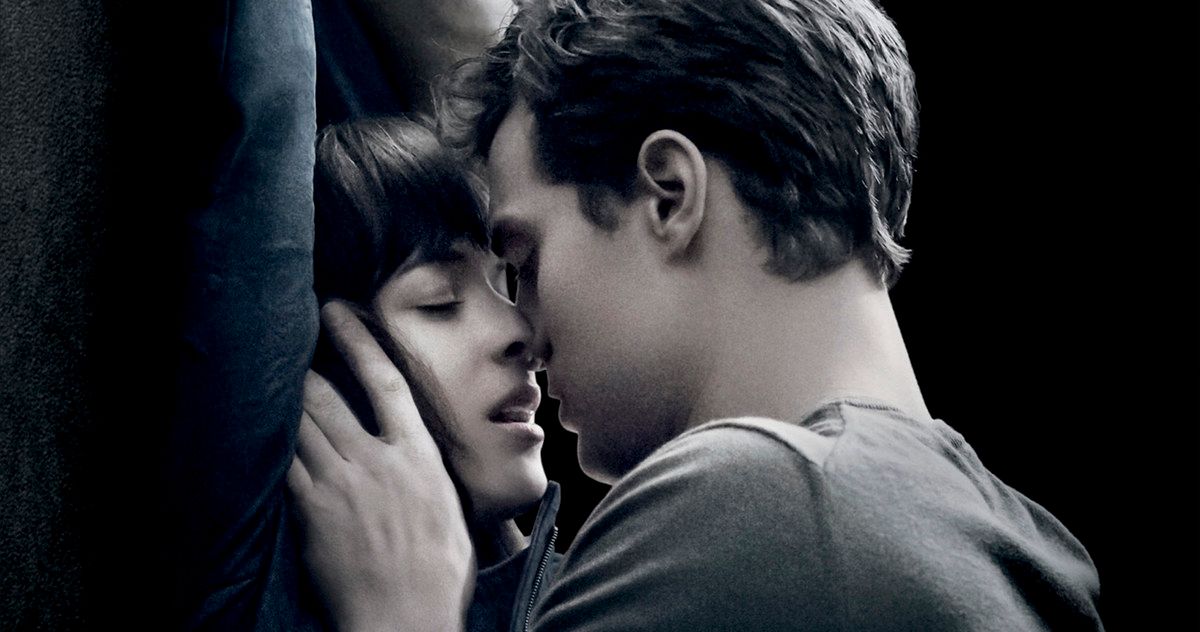
So, you’re curious about the Fifty Shades of Grey unrated version. Honestly, most people just assume it’s basically the same movie but with more skin, but that’s not really the whole story. When the theatrical version hit cinemas in 2015, it was already pushing the boundaries of an R-rating, but Universal Pictures knew there was a massive appetite for something "more." They released the unrated edition on Blu-ray and digital platforms shortly after, and it sparked a huge debate about whether it actually improved the film or just added filler.
It’s interesting.
The theatrical cut ran for 125 minutes. The unrated version? It tacks on about three extra minutes of footage. That doesn't sound like much, does it? You’d think three minutes wouldn't change the vibe of a nearly two-hour movie, yet for the hardcore fans of E.L. James’s books, those seconds mattered. It wasn't just about the "steam" factor, though that was obviously the marketing hook. It was about trying to capture the darker, more psychological edge that Jamie Dornan and Dakota Johnson were trying to portray under Sam Taylor-Johnson’s direction.
The Big Differences in Fifty Shades of Grey Unrated
The most significant change in the Fifty Shades of Grey unrated cut isn't even a scene involving a bed. It’s the ending.
If you remember the theatrical release, it ends on that high-tension elevator scene. Christian and Ana say "Christian" and "Anastasia" as the doors slide shut. It’s a cliffhanger. It’s abrupt. But the unrated version gives us a "deleted" alternate ending that feels much more like a traditional movie resolution. We see Ana crying in the back of a cab. Christian looking miserable in his high-rise. It’s a montage of heartbreak. Then, Ana receives a gift from him—the first editions of Tess of the d'Urbervilles. She sends them back. It’s a punch to the gut that the theatrical version missed by trying to be too "cool" and cinematic.
Wait, let's talk about the actual "unrated" parts.
People always ask: "Is it more explicit?" Sorta. There is more nudity, specifically more shots of Dakota Johnson, and the pacing of the Red Room scenes is stretched out. In the theatrical cut, the editing is fast. It’s choppy. It tries to hide a lot. The unrated cut lets the camera linger. It feels heavier. It feels more intense because the silence isn't broken by a quick cut to a wide shot of the Seattle skyline. Director Sam Taylor-Johnson reportedly had a lot of friction with E.L. James during filming, and you can almost feel that tug-of-war in these scenes. James wanted it grittier; Taylor-Johnson wanted it more "art-house." The unrated version is the closest we get to a compromise between those two very different visions.
Does the Unrated Version Fix the Story?
Not really.
The core issues of the movie—the lack of chemistry that critics hammered at the time, the stiff dialogue—they’re all still there. You can’t edit your way out of a script that stays that loyal to the source material if the source material is divisive. However, the unrated version does a better job of establishing Christian Grey as a broken person rather than just a rich guy with a hobby. Those extra beats of him staring out windows or the slight extensions of his arguments with Ana add a layer of melancholy.
It’s weirdly sad.
Why People Still Search for Fifty Shades of Grey Unrated in 2026
Even now, years after the trilogy wrapped up with Fifty Shades Freed, this specific unrated version remains a top search. Why? Because the franchise became a cultural touchstone. It shifted how Hollywood viewed female-led erotic dramas. Before Fifty Shades, this stuff was relegated to straight-to-DVD bins or late-night cable. Then suddenly, it was a billion-dollar juggernaut.
When you watch the Fifty Shades of Grey unrated cut today, it feels like a time capsule. You see Jamie Dornan before he became a massive critically acclaimed actor in things like Belfast or The Tourist. You see Dakota Johnson before she became an indie darling.
There's also the curiosity factor regarding the "missing" scenes. Fans of the book were notoriously protective of the "Inner Goddess" monologue and the specific details of the contract negotiations. While the unrated version doesn't put back everything (thankfully, some would say, regarding the Inner Goddess), it feels more complete. It’s the version that should have been in theaters if the MPAA wasn't so terrified of a little bit of skin and a lot of complicated relationship dynamics.
Technical Details of the Release
If you're looking to find this version, you have to be careful. A lot of streaming services only host the theatrical R-rated version because it's "safer" for general audiences. To get the Fifty Shades of Grey unrated experience, you usually have to look for the "Bonus Features" or "Extras" tab on digital stores like Apple TV or Amazon, or just buy the physical disc.
- The Blu-ray includes the "Hidden World" featurette.
- It has the teaser for Fifty Shades Darker.
- Most importantly, it has the "Behind the Shades" interview with E.L. James.
These extras actually provide more context than the extra three minutes of movie footage. They explain the "why" behind the scenes. They show the set design of the Red Room, which was built with insane attention to detail—most of which you can't even see in the theatrical cut because it's too dark or too fast.
What Most People Get Wrong About the Unrated Tag
There is a common misconception that "unrated" means "pornographic." In the case of Fifty Shades of Grey unrated, that’s just not true. It’s still a mainstream Hollywood movie. There are no "NC-17" level shocks here. The "unrated" label is often a marketing gimmick used to sell more DVDs by promising something scandalous that didn't pass the censors.
In reality, the MPAA (Motion Picture Association of America) is very specific about things like the duration of certain shots or the visibility of certain body parts. By going "unrated," the studio just stops caring about those specific rules. It’s a freer version of the story, but it’s not a different movie entirely.
The pacing is the biggest winner.
Theatrical movies are cut for "turnover"—they want to get people in and out of the theater so they can show the movie again and make more money. The unrated version is for the home viewer. It breathes. It’s slower. It allows for the awkwardness of the relationship to actually sit on the screen for a second. That awkwardness is actually the most realistic part of the whole thing.
Actionable Takeaways for the Viewer
If you are planning to watch it, keep these things in mind:
- Check the Runtime: If it’s 125 minutes, it’s the theatrical version. If it’s 128 minutes, you’ve found the unrated cut.
- Watch for the Ending: Pay close attention to the final five minutes. The shift in tone from the elevator doors closing to the montage of their lives apart changes how you’ll feel about the sequel, Fifty Shades Darker.
- Look at the Cinematography: Seamus McGarvey was the cinematographer for this film. He’s a genius (he did Atonement). The unrated version showcases his work much better because the scenes are longer and less frantic.
The legacy of the Fifty Shades of Grey unrated version is really about the fans winning. They wanted the "full" experience of the book, and while the movie could never fully replicate the internal monologue of the novel, the unrated cut is the most honest attempt. It’s a fascinating look at what happens when a studio tries to balance "mass market appeal" with "niche fan service." Usually, they fail at both, but here, they managed to create a version that—at the very least—feels like a finished thought.
To get the most out of it, compare the two endings side-by-side. The theatrical ending feels like a TV show season finale, while the unrated ending feels like the end of a chapter in a dark romance novel. That distinction alone makes the unrated version the definitive way to watch the film if you're going to watch it at all. It provides the emotional closure (or lack thereof) that the characters actually deserved based on their journey through the first act of the story.
Ultimately, it’s about the details. The way a hand lingers, the way a look is held a second too long, the way the music swells without being cut off by a transition. Those are the things that make the unrated version stand out. It’s not a revolution in filmmaking, but it is a much more cohesive piece of storytelling than what we saw on the big screen in February 2015.
If you're doing a marathon, start with the unrated cut of the first film, but be aware that the sequels, Darker and Freed, also have unrated versions. However, the first one remains the most distinct from its theatrical counterpart because of the different director. The later films were directed by James Foley, who had a much more straightforward, "thriller" approach. The first film's unrated cut is the only one that feels like a piece of "cinema" rather than just a high-budget soap opera.