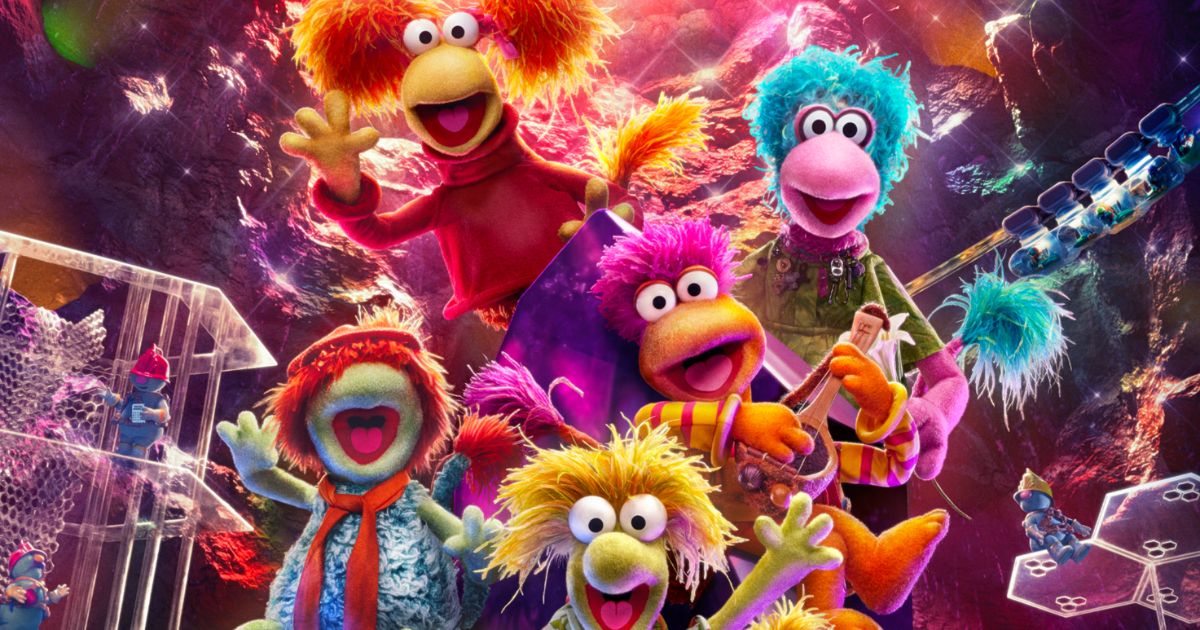
Honestly, rebooting anything from the 1980s usually feels like a cash grab. We've seen it a thousand times. A studio buys a beloved IP, slaps some CGI on it, and hopes nostalgia carries the weight. But when Fraggle Rock: Back to the Rock landed on Apple TV+, something weird happened. It didn't suck. In fact, it might be one of the most technically impressive and emotionally honest pieces of children's media we've seen in a decade.
Jim Henson’s original vision was always about interconnectedness. He wanted to stop war. Seriously. That was the pitch in 1983. He thought if he could show kids how different species—Fraggles, Doozers, Gorgs, and Silly Creatures (us)—all relied on the same ecosystem, the world might grow up to be a little less violent. It's a heavy burden for a puppet show.
Apple TV+ took that DNA and somehow managed not to dilute it. Produced by The Jim Henson Company, the new series keeps the practical puppetry front and center. No creepy "realistic" fur textures or uncanny valley eyes. Just foam, fleece, and some of the most talented performers in the business today.
Why Fraggle Rock: Back to the Rock Feels Different
The first thing you notice is the color. It's loud. The Rock looks like a neon subterranean rainforest. But beyond the visuals, the show handles modern problems without being "preachy" in that annoying way most kids' shows are. It tackles things like environmental collapse, social bubbles, and even the anxiety of fame.
John Tartaglia, who voices Gobo (and served as an executive producer), has been vocal about maintaining the "Henson-ness" of it all. This isn't just a remake; it’s a continuation of the philosophy. They brought back the original Dave Goelz to voice Boober and Uncle Travelling Matt. Having that direct link to the 80s series provides a level of soul that you can't just script.
It's also surprisingly funny. The humor isn't just for toddlers. There’s a dry, almost cynical wit to Boober that hits differently when you're an adult struggling with your own laundry and existential dread.
The Evolution of the Doozers and Gorgs
In the original run, Doozers were basically construction workers who lived to build things out of radish dust. They were cute, sure. But in the Apple TV+ version, we see more of their internal logic. They aren't just background noise. Their relationship with the Fraggles—the "symbiotic friction" as some fans call it—is explored with way more nuance.
And then there are the Gorgs. Junior Gorg is still a massive, lumbering puppet, but the puppetry tech has evolved. The facial expressions are more fluid. He feels like a tragic figure, a prince of a crumbling kingdom, rather than just a bumbling antagonist. It makes the moments where he almost catches a Fraggle feel more like a misunderstanding of scale than a villainous act.
The Music is Actually Good
Let's talk about the songs. Most kids' show music makes you want to drive into a lake. But Fraggle Rock: Back to the Rock leans into the musical theater roots of the franchise. They brought in Harvey Mason Jr. and a team of songwriters who treated these tracks like actual pop or Broadway hits.
"Dance Your Cares Away" is obviously still the hook, but the new tracks—like "Radish Song" or the various power ballads—actually have production value. They aren't just jingling bells and synthesizers. They use real instruments. It feels big.
Technical Wizardry Under the Rock
The set design for the Apple TV+ production is massive. We're talking thousands of square feet of caves. Because the cameras are better now (4K, high dynamic range), they couldn't hide mistakes with low-resolution fuzziness. Every stalactite had to be painted; every patch of moss had to look organic.
The puppeteers are often working in incredibly cramped, uncomfortable positions. They are the ultimate "invisible" athletes. They're watching monitors, lip-syncing, and navigating physical obstacles while holding five pounds of fleece above their heads for eight hours a day. It’s grueling. But that physical presence—the way a puppet's hair moves when it jumps—creates a sense of reality that CGI just cannot replicate.
Cameos and Cultural Reach
One of the more surprising moves was the inclusion of guest stars. Lil Nas X, Foo Fighters, Kenan Thompson. It sounds like it wouldn't work, right? But the Fraggles have always been weirdly "cool." Seeing Dave Grohl interact with a bunch of cave-dwelling puppets felt weirdly natural. It’s that old Muppet Show energy where the celebrities are just guests in the puppets' world, not the other way around.
What Most People Get Wrong About the Reboot
People assume it’s just for kids who haven't seen the original. That’s wrong. It’s actually a bridge. If you grew up with the 80s show, you’ll notice the subtle callbacks to the "Old Giffard" or the specific way the Trash Heap speaks. It’s a rare example of a "legacy sequel" that doesn't spend its whole time winking at the camera. It just exists.
Some critics argued that the show is too "bright" or "clean" compared to the gritty, slightly grimy look of the 80s. Maybe. But the world has changed. The original felt like it was filmed in a basement because, well, it kind of was. The new one feels like a world that is thriving. It’s an optimistic take on the future, which is something we’re severely lacking in current television.
Navigating the Fraggle Multiverse
If you're looking to dive in, there’s a specific way to watch it. Don't just start with the "shorts" that Apple released during the pandemic (though they’re charming). Go straight to Season 1 of Back to the Rock.
- Start with the pilot. It sets up the new dynamic between Doc (played by Lilli Cooper) and the Rock.
- Watch the "Holiday Special." Even if it isn't December. It's one of the best "Night of the Lights" episodes across the whole franchise.
- Pay attention to the background. The Doozer constructions in the background of scenes actually change and grow as the season progresses. It’s incredible attention to detail.
The series handles the "Silly Creatures" (humans) better than the original did, too. Doc isn't just a lonely inventor anymore; she’s a grad student dealing with real-world pressures. It grounds the fantasy. When Gobo steals a "postcard" (which are now often digital or differently interpreted), it feels like a genuine bridge between two alien cultures.
Final Practical Insights
The beauty of Fraggle Rock: Back to the Rock is that it doesn't try to be "dark and gritty" to appeal to adults. It respects the audience's intelligence. It assumes you can handle themes of loneliness and environmental interdependence.
If you want to get the most out of the show, watch it on the best screen you have. The HDR (High Dynamic Range) on Apple TV+ makes the glowing plants and the textures of the Gorgs' garden pop in a way that truly shows off the craftsmanship. It’s a masterclass in practical effects.
To dive deeper into the world of the Fraggles, you should check out the "making of" specials. They reveal the sheer scale of the operation—from the "monitor world" where puppeteers see what they're doing, to the costume shop where every tiny Doozer helmet is hand-crafted. Understanding the labor involved makes the show even more impressive. You aren't just watching a cartoon; you're watching a massive, synchronized performance by hundreds of artists.
Start with Season 1, Episode 1, "Pilot," and let the music do the rest. The show is currently available in its entirety on Apple TV+, and with the second season further expanding the lore of the caves, there has never been a better time to head back down to the Rock.
Next Steps for Fraggle Fans
- Audit the Original: Watch a few episodes of the 1983 original series (also on Apple TV+) to appreciate how the character designs have been subtly updated while keeping their core silhouettes.
- Listen to the Soundtrack: Find the Back to the Rock soundtrack on your streaming service of choice; the production quality by Harvey Mason Jr. is legitimately top-tier and worth a standalone listen.
- Follow the Puppeteers: Look up the work of performers like Kevin Clash, Donna Kimball, and Alice Dinnean to see the incredible range of characters they bring to life across the Jim Henson Company's various projects.
- Explore the "Fraggle Rock: Rock On!" Shorts: These were the precursor to the full reboot, filmed entirely on iPhones in the puppeteers' homes during the 2020 lockdowns, showcasing the raw creativity of the team under pressure.