Morning hunger is a beast. But when you're staring at a pantry full of "regular" bread you can't touch, that beast gets cranky fast. Honestly, finding a solid gluten free breakfast idea shouldn't feel like a high-stakes chemistry experiment, yet here we are, crumbling dry muffins into our coffee and pretending they're delicious. It's exhausting.
The struggle is real. Most people think "gluten-free" means you’re relegated to a life of overpriced frozen waffles that have the structural integrity of a damp sponge. Or maybe you've tried those cardboard-adjacent crackers? Not great. But the truth is, some of the best breakfast foods on the planet never had wheat in them to begin with. We’re talking about real, whole foods that actually satisfy that 8:00 AM craving without making your gut regret every life choice you've ever made.
Let's get into what actually works.
Why Your Gluten Free Breakfast Idea Usually Fails
Most people fail because they try to "replace" wheat. They buy the GF version of a bagel and wonder why it feels like chewing on a pencil eraser. Stop that. The secret isn't in finding a mimic; it's in leaning into foods that are naturally gluten-free. Think about it. Eggs? Gluten-free. Potatoes? Gluten-free. Bacon? (Usually) gluten-free.
When you shift your mindset from "substituting" to "selecting," the whole game changes. You stop looking for a fake croissant and start looking for a killer sweet potato hash.
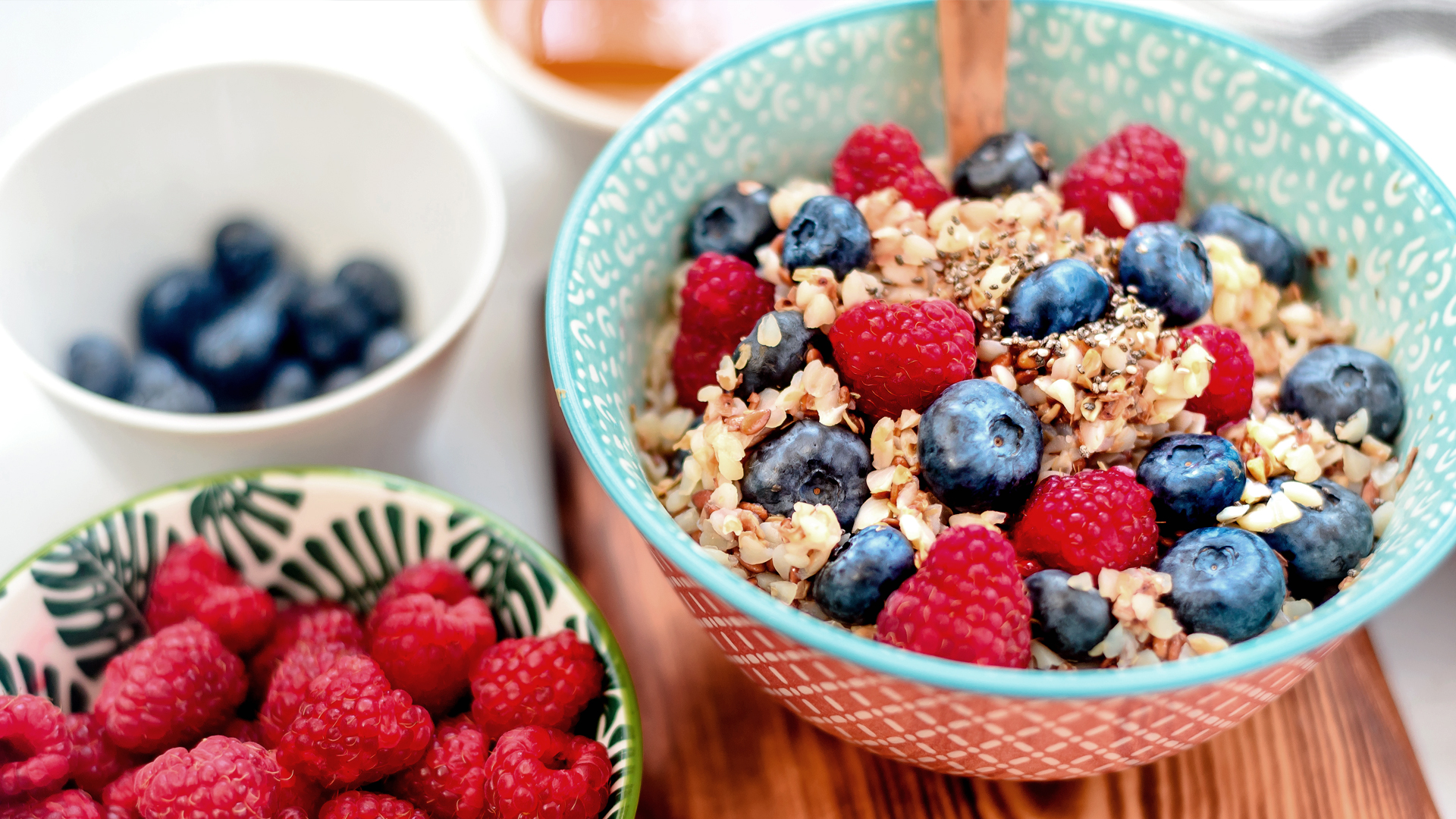
According to the Celiac Disease Foundation, the focus should always be on nutrient-dense, naturally gluten-free grains like quinoa or buckwheat. Buckwheat is a funny one. Despite the name, it has zero wheat. It’s actually a seed related to rhubarb. If you haven't tried buckwheat groats for breakfast, you’re missing out on a nutty, earthy flavor that puts oatmeal to shame.
The Savory Power Move: Shakshuka
If you want a gluten free breakfast idea that makes you feel like a gourmet chef without the three-year culinary degree, make Shakshuka. It’s basically just eggs poached in a spicy tomato sauce. It’s North African, it’s vibrant, and it is naturally devoid of anything that will irritate a gluten-sensitive system.
You need onions, bell peppers, garlic, and a heavy hand with the cumin and paprika. Throw in some crushed tomatoes and let it simmer until it’s thick. Crack the eggs right into the sauce. Cover the pan. Wait a few minutes. That’s it. You can eat it with a spoon, or if you really miss bread, grab some certified gluten-free corn tortillas or even just some sliced avocado to scoop it up.
What About the "Oat" Problem?
We need to talk about oats. This is where a lot of people mess up. Technically, oats are gluten-free, but they are often processed on the same equipment as wheat. This cross-contamination is a nightmare for anyone with Celiac disease. If you’re going the oatmeal route, you must look for the "certified gluten-free" label. Brands like Bob’s Red Mill or Certified Gluten Free Sales are the gold standard here.
Don't just boil them in water and call it a day. That’s depressing. Try "Proats" (protein oats). Mix in a scoop of collagen peptides or a GF-certified protein powder. Add some almond butter and hemp seeds. It changes the texture from "mush" to "actual meal."
A Better Way to Do Pancakes
Pancakes are the holy grail. But gluten-free pancakes can be hit or miss. Usually miss.
The trick isn't always the flour blend, though a good 1-to-1 mix (like King Arthur’s) helps. The trick is the binder. Without gluten, there’s no "glue" to hold the bubble structure together. Your pancakes end up flat and sad.
- Try adding an extra egg.
- Use full-fat Greek yogurt in the batter for moisture.
- Let the batter sit! This is the most important part. Gluten-free flours take longer to hydrate. If you pour the batter immediately, it’ll be gritty. Give it 10 minutes. The rice flour needs time to wake up and absorb the liquid.
I once spent an entire Saturday trying to make banana pancakes using just bananas and eggs. People on the internet swear by this. I’m telling you now: they are lying. It’s just a sweet omelet. It’s fine, but it’s not a pancake. If you want a real gluten free breakfast idea that satisfies a sweet tooth, use a grain-based flour or an almond flour base.
The Almond Flour Advantage
Almond flour is a powerhouse. It’s high in protein and healthy fats, which means you won't have that 10:30 AM sugar crash that comes with traditional wheat flour. It makes for a denser, more filling muffin. If you’re baking, remember that almond flour doesn't behave like wheat flour. It needs more eggs to stay together.
The Forgotten Hero: The Breakfast Salad
Stay with me here. I know "salad" and "breakfast" sound like a weird pairing. But a savory breakfast bowl is arguably the best gluten free breakfast idea for sustained energy.
Start with a base of massaged kale or arugula. Add some roasted sweet potatoes (prep these on Sunday, thank me on Tuesday). Toss in a jammy soft-boiled egg, some pumpkin seeds, and maybe some leftover grilled chicken or bacon. Drizzle it with a lemon-tahini dressing.
It's crunchy. It's salty. It's filling. Most importantly, there is zero risk of gluten contamination because you’re dealing with whole ingredients. Dr. Mark Hyman often advocates for these "fat and fiber" heavy starts to the day because they stabilize blood sugar. When your insulin isn't spiking and crashing, you actually have a brain that functions past noon.
Quick Fixes for Busy Mornings
Not everyone has time to poach eggs in tomato sauce on a Wednesday. Sometimes you're running late and you just need to eat.
- Chia Seed Pudding: Mix 3 tablespoons of chia seeds with a cup of almond milk and some vanilla extract. Shake it in a jar the night before. By morning, it’s a pudding. Top with berries. It’s high in Omega-3s and takes zero effort when you’re half-asleep.
- Cottage Cheese Bowls: If you can handle dairy, cottage cheese is a protein bomb. Throw some sliced peaches or walnuts on top. It’s weirdly polarizing—you either love the texture or you hate it—but it works.
- Smoothies (The Right Way): Most smoothies are just fruit juice masquerading as health food. To make it a real meal, you need fat. Throw in half an avocado or a tablespoon of coconut oil. It makes it creamy and keeps you full longer.
Hidden Dangers in Your Kitchen
You can have the best gluten free breakfast idea in the world, but if your toaster is shared with someone eating "normal" bread, you’re in trouble. Cross-contact is the silent killer of GF diets.
If you have Celiac, you need a separate toaster. Period. Those tiny crumbs of wheat are enough to trigger an autoimmune response. Even your wooden cutting boards can harbor gluten in the deep grooves. Switch to plastic or marble for your GF prep. It seems overkill until you realize why you’re still feeling bloated despite "eating clean."
Also, watch out for sausages. Many brands use wheat-based fillers as a binder. Read the label. If it doesn't say "Gluten-Free," assume it isn't. Brands like Applegate are usually safe bets, but always double-check because recipes change.
Navigating the "Certified" Landscape
The FDA requires any food labeled "gluten-free" to contain less than 20 parts per million (ppm) of gluten. That’s the threshold deemed safe for most people with Celiac. However, some organizations, like the Gluten-Free Certification Organization (GFCO), hold products to an even stricter standard of 10 ppm. If you’re highly sensitive, look for the circle logo with the "GF" inside. It's a higher level of trust.
Rethinking the Morning Meal
We’ve been conditioned to think breakfast must involve some form of toasted grain. It doesn't. Some of the most satisfying breakfasts I’ve ever had were just leftovers from dinner.
A bowl of beef chili at 7:00 AM? Why not? A piece of grilled salmon with some sautéed spinach? Perfect. If you can get past the social "rules" of what constitutes breakfast food, your options for a gluten free breakfast idea expand infinitely.
Rice is another great one. In many Asian cultures, congee (a savory rice porridge) is the standard morning meal. It’s warm, comforting, and incredibly easy on the digestion. You can top it with ginger, scallions, and a drizzling of tamari (ensure it's GF tamari, as regular soy sauce contains wheat).
Practical Next Steps for Your Morning Routine
Transitioning to a gluten-free lifestyle doesn't have to be a miserable slog of deprivation. It's about exploration.
- Audit your spices: Some cheap spice blends use flour as an anti-caking agent. Stick to single-ingredient spices.
- Batch cook your carbs: Roast a giant tray of sweet potato cubes or cook a big pot of quinoa on Sunday. Having these ready makes building a breakfast bowl take two minutes instead of twenty.
- Find your "Safety Brand": Pick one gluten-free bread or flour that you actually like and keep it stocked. Having a reliable fallback prevents you from grabbing a "regular" donut when the hunger hits.
- Prioritize Protein: Aim for 25-30 grams of protein in the morning. This is the single best way to avoid the mid-morning snack attack.
Stop overcomplicating it. Stick to the perimeter of the grocery store—produce, meat, dairy—and you’ll find that a high-quality breakfast is already waiting for you, no "replacement" products required. Focus on flavor, prioritize healthy fats, and keep your toaster clean. Your gut will thank you.