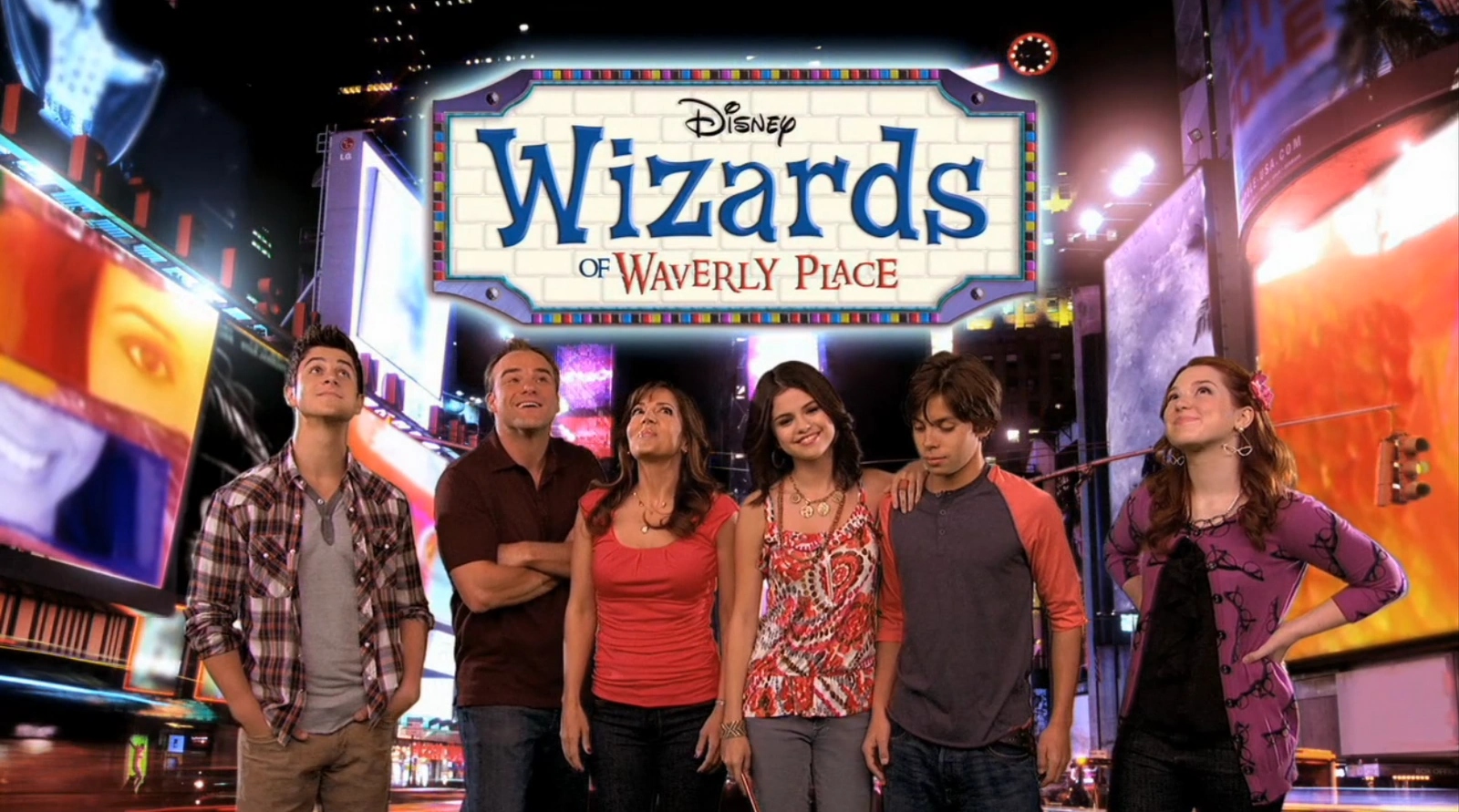
When you think about Disney Channel villains, you usually think of bumbling idiots or slightly mean popular girls. You think of Dr. Doofenshmirtz making "inators" or Sharpay Evans being a bit of a diva. Then there is Gorog. If you grew up watching Wizards of Waverly Place, Gorog was the guy who stayed in the back of your mind long after the credits rolled. He wasn't just some guy in a robe. He was basically the personification of pure, unadulterated evil in a universe that was supposed to be about sandwiches and magic wands.
Honestly, looking back at the "Wizards vs. Everything" saga, it's wild how dark the show actually got. Gorog from Wizards of Waverly Place didn't just want to win a contest; he wanted to dismantle the entire wizarding world and replace it with a literal realm of darkness.
Who Was Gorog, Really?
Gorog was the leader of the Dark Angels. Most fans remember him as the tall, menacing figure with the deep voice—voiced by John Glover, by the way, who is legendary for playing villains like Lionel Luthor. That voice alone did half the work. He first appeared in the fourth season, specifically during the four-part "Wizards vs. Angels" arc.
His whole deal was corruption. He didn't just blast people with lasers; he manipulated them. He took Rosie, who was a "Guardian Angel" (the highest rank of angel), and basically turned her into a Dark Angel by preying on her desires and making her feel like the "good" side was restrictive. It’s a classic Milton-esque Paradise Lost vibe but played out in a Tribeca sub shop.
The Dark Angel Lore
Dark Angels in the Wizards universe aren't just "bad" angels. They are outcasts. Gorog was their king. He resided in the Dark Realm, a place that looked suspiciously like a high-budget basement but felt way more ominous.
Think about the mechanics of his power for a second. He could:
- Corrupt the wings of other angels (turning them black/grey).
- Teleport across realms.
- Influence the minds of powerful wizards like Justin Russo.
- Command an army of subordinates who were terrified of him.
He wasn't a joke. He didn't have a catchphrase. He just had a mission.
The Time He Almost Ruined the Russos
The most intense part of the Gorog saga was definitely when he tried to recruit Justin. We all know Justin Russo was the "perfect" wizard—studious, rule-following, a bit of a nerd. Gorog saw that. He saw the cracks in Justin's armor, the frustration of always having to be the "good one" while Alex got away with everything.
In "Wizards vs. Everything," Gorog manages to capture the Russo family (except for Alex, because she’s Alex) and the Council of Wizards. He actually forces Justin to lead his army. It was a genuine "low point" for the characters. When you watch it now, the stakes feel surprisingly high for a sitcom with a laugh track.
He didn't want to kill the Russos. That would be too easy. He wanted to use them. He wanted their magic to fuel his world.
Why Gorog from Wizards of Waverly Place Still Holds Up
Most kids' show villains fail the test of time because their motivations are paper-thin. Gorog works because he represents a very real fear: the loss of agency. When he touches an angel's wings and they turn black, it’s a metaphor for losing your soul. Heavy stuff for a Friday night on Disney Channel.
Another thing? The visual design.
He wasn't over-designed. He had the high collar, the dark robes, and that eerie, pale face. It was minimalist. It allowed the performance to do the talking. While most wizards used "wands," Gorog felt like he was the magic. He didn't need a stick to make things happen. He just pointed.
The Final Battle Logic
The way he was defeated was actually pretty clever, though a bit "Disney-fied." Since he was a being of pure darkness, he couldn't handle the "moral goodness" or the collective power of the Russo siblings when they finally put their bickering aside. It took Alex, Justin, and Max all working together—which, let's be real, was the rarest thing in the show—to finally take him down.
They used the "Power of Three" (not the Charmed kind, but the Russo kind) to blast him out of existence. Well, "existence" in the Dark Realm.
Misconceptions About the Dark Realm
A lot of people think the Dark Realm was just a place where "bad wizards" went. Not exactly. It was more like a pocket dimension outside the jurisdiction of the Wizard Council. Gorog wasn't a wizard. He was an Angel. Or a former one. That distinction is huge. It means the rules of the Wizard Council didn't apply to him, which is why Chancellor Tootietootie was so scared.
- He wasn't immortal. He was just very, very old.
- He couldn't be "cured." Unlike Rosie, who eventually got her white wings back through an act of true goodness, Gorog was too far gone.
- His influence lingered. Even after he was gone, the trauma of the Dark Angel saga is what pushed the show toward its series finale. It forced the siblings to realize that the Wizard World was dangerous and that the competition actually mattered.
Actionable Takeaways for Rewatching the Saga
If you’re going back to Disney+ to watch these episodes, here is how to get the most out of the Gorog arc without getting bored by the filler.
- Start with "Wizards vs. Angels" (Season 4, Episodes 9 & 10). This introduces the Dark Angels and the concept of corruption. Pay attention to how Gorog stays in the shadows initially.
- Skip the unrelated fluff. Go straight to the "Wizards vs. Everything" finale (Season 4, Episodes 27 & 28). This is where the payoff happens.
- Watch the wings. The color of the wings in this show is a direct "morality meter." The darker the grey, the closer they are to Gorog's side.
- Listen to the dialogue. Gorog is one of the few characters who doesn't make jokes. In a show built on sarcasm and quips, his silence and seriousness are his biggest weapons.
The legacy of Gorog from Wizards of Waverly Place is that he raised the bar. He made the Wizard Competition feel like something that actually needed to happen so the world would have a protector. Without a villain that scary, the finale wouldn't have felt nearly as earned.
Next time you're scrolling through old shows, don't just dismiss it as "kid stuff." The Gorog episodes are legit dark fantasy. They proved that even a show about a family living over a deli could handle high-stakes mythology if it had a villain who was willing to go there.