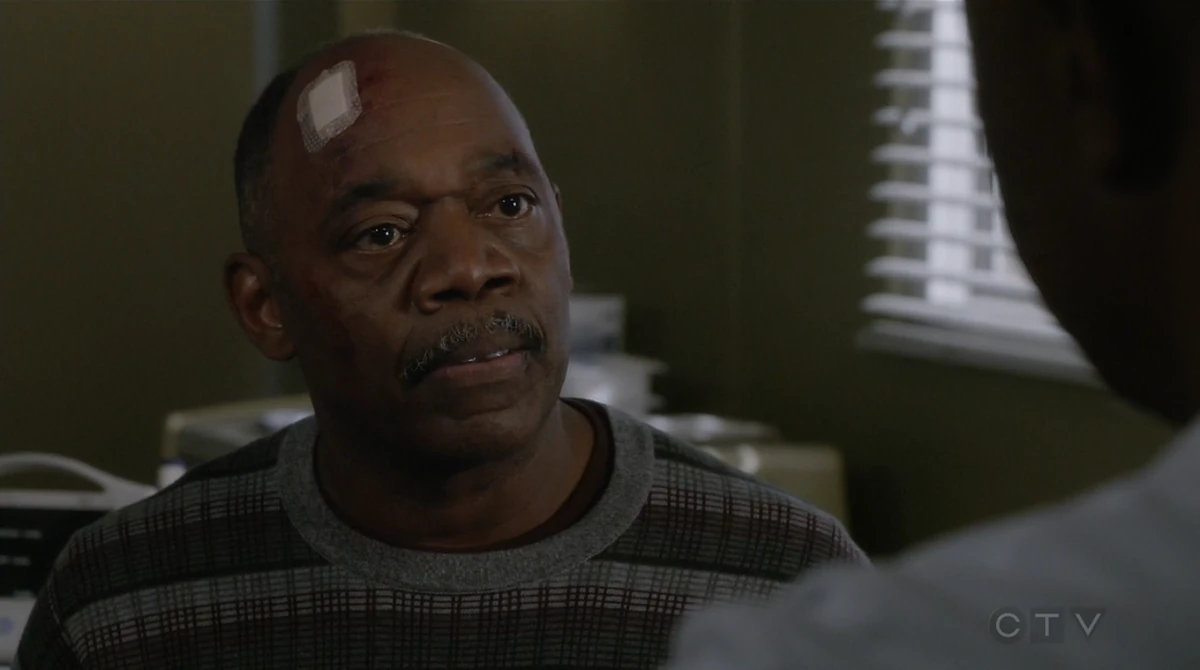
If you’ve watched enough Grey’s Anatomy, you know that the show loves a good villain, but usually, those "villains" are just complicated doctors with messy personal lives. Paul Stadler was different. He wasn't just a hurdle for a protagonist; he was the embodiment of a shadow that had loomed over Jo Wilson since her introduction in season 9. Honestly, for years, fans only knew Jo as the girl who lived in her car and had a mysterious past she wouldn't talk about. When the name Paul Stadler finally became a face—and that face belonged to Matthew Morrison—it changed the show’s tone completely.
It was jarring. Seeing Mr. Schue from Glee playing a sociopathic, abusive surgeon was a stroke of casting genius that made the skin of every viewer crawl. It’s one of those arcs that people still argue about today. Was his ending too convenient? Did it give Jo the closure she deserved? Let’s get into the weeds of what actually happened, because the details of Paul Stadler’s time at Grey Sloan are as dark as this show gets.
The Man Behind the Mask: Who Was Paul Stadler?
On paper, Paul Stadler was a medical god. He was a world-renowned general surgeon, the kind of guy doctors like Arizona Robbins and Richard Webber would "fangirl" over without a second thought. And they did. When he first strolled into Grey Sloan Memorial in Season 14, the staff (who didn't know Jo's history) treated him like royalty.
That's the terrifying part about his character. He was charming. He was successful. He was "appealing" in that way that makes you doubt the victim’s story. Jo Wilson, whose real name we eventually learned was Brooke Stadler, had spent years running from this man. She didn't just leave him; she erased herself. She changed her name, moved across the country, and lived in constant fear that a single Google hit or a credit card swipe would lead him to her door.
Why Jo Couldn't Just Get a Divorce
For a long time, fans wondered why Jo wouldn’t just marry Alex Karev. She clearly loved him. But the threat of Paul Stadler was a legal and physical cage. She couldn't file for divorce because that meant putting her location into a public record. Paul wasn't just a "mean guy." He was a domestic abuser who used his intellect and status to gaslight everyone around him. When he finally tracked her down in the episode "1-800-799-7233" (named after the National Domestic Violence Hotline), he didn't come in swinging. He came in smiling.
He used the oldest trick in the book: he made Jo look like the "crazy" one. He told Meredith Grey that Jo was a "party girl" and an alcoholic who had stolen money from him. It was a masterclass in manipulation.
The Turning Point at Grey Sloan
The confrontation wasn't just about Jo and Paul. It pulled in the heavy hitters of the hospital. Meredith Grey initially didn't know who Paul was, but the second she saw Jo’s reaction, her "sister" instincts kicked in. There’s a powerful moment where Meredith tells Paul to his face, "I know who you are. I’m friends with Jo Wilson."
That’s when the mask started to slip.
Paul had brought his new fiancée, Jenny (played by Bethany Joy Lenz), with him. Watching Paul interact with Jenny was like watching a horror movie where the audience knows the killer is in the house but the victim is still smiling. Jo saw the signs immediately—the way Jenny deferred to him, the subtle fear in her eyes, the way he controlled the conversation.
The Plan to Save Jenny
Jo and Meredith eventually got Jenny alone in a locker room. It wasn't an easy sell. Abuse victims often protect their abusers because the cycle of "honeymoon" phases and violence is so disorienting. Jo told her everything. She told her about the broken ribs and the way he makes you feel like everything is your fault.
Jenny didn't believe her at first. Or rather, she wasn't ready to. But the seed was planted. When Paul eventually got aggressive in the hospital—showing his true colors when he thought no one was looking—Jenny finally realized that Jo wasn't the "crazy ex" Paul had described. She was a mirror of Jenny’s future.
Grey's Anatomy Paul Stadler and the Hit-and-Run Mystery
This is where the plot goes from a domestic drama to a "whodunnit." After a series of tense interactions, Paul is found outside the hospital, the victim of a hit-and-run.
Everyone was a suspect.
- Alex Karev: He had already fantasized about beating Paul to a pulp.
- Jo Wilson: She had the most to gain from his disappearance.
- Jenny: She was finally waking up to the nightmare.
For a hot minute, the show let us believe that maybe Alex or Jo had finally snapped. But Grey's Anatomy threw a curveball. It wasn't a revenge plot. It was a random drunk driver. Sometimes life is just like that—it’s not a poetic justice; it’s just a tragedy of errors.
The Death of Paul Stadler
Paul didn't die from the car accident itself. He was actually recovering in the hospital. He was being his typical, arrogant self, threatening Jo and Jenny, telling them he would destroy their lives. In a fit of rage, he tried to get out of bed to attack Jenny, tripped on the medical equipment, and slammed his head against the bed frame.
It was a second concussion on top of an existing one. He was declared brain dead.
The irony? Because they were still technically married, Jo Wilson was his legal next of kin. She held his life in her hands. She had the power to keep him on life support or pull the plug. It was the ultimate reversal of power.
The Aftermath: Why It Still Matters
Jo decided to donate his organs. She turned a man who spent his life destroying things into a vessel for saving others. "He’s going to save lives," she said. It was her way of reclaiming her narrative.
Some fans felt this was a "cheap" way out for the writers. Killing him off meant Jo didn't have to face a long, grueling legal battle. It meant she was "free" without the messiness of a real-world judicial system that often fails domestic abuse survivors. But for many others, it was the catharsis they needed. Grey's Anatomy isn't always about realism; it's about the emotional truth of the characters.
Actionable Insights: What We Can Learn
If you or someone you know is in a situation like Brooke/Jo's, the Paul Stadler arc serves as a reminder of a few critical things:
- Documentation is Key: Jo’s fear of a paper trail was real, but her eventual strength came from connecting with other victims (Jenny).
- The Importance of "The Village": Jo couldn't face Paul alone. She needed Meredith’s protection and Alex’s restraint.
- Recognizing the "Charming" Abuser: Abuse doesn't always look like a monster in an alley. Sometimes it looks like a brilliant, celebrated surgeon.
The legacy of Grey’s Anatomy Paul Stadler isn't just about the shock factor. It’s about the shift it caused in Jo Wilson. She went from a character defined by her secrets to one defined by her survival. She stopped being "Brooke" and finally became the Dr. Jo Wilson she was always meant to be.
If you want to revisit these episodes, look for "1-800-799-7233" and "Personal Jesus." They remain some of the most intense hours in the show's 20-plus season run.
To stay updated on current character arcs or to dive deeper into the medical history of Grey Sloan, you should check out the official ABC episode guides or the comprehensive Grey’s Wiki for specific scene breakdowns.