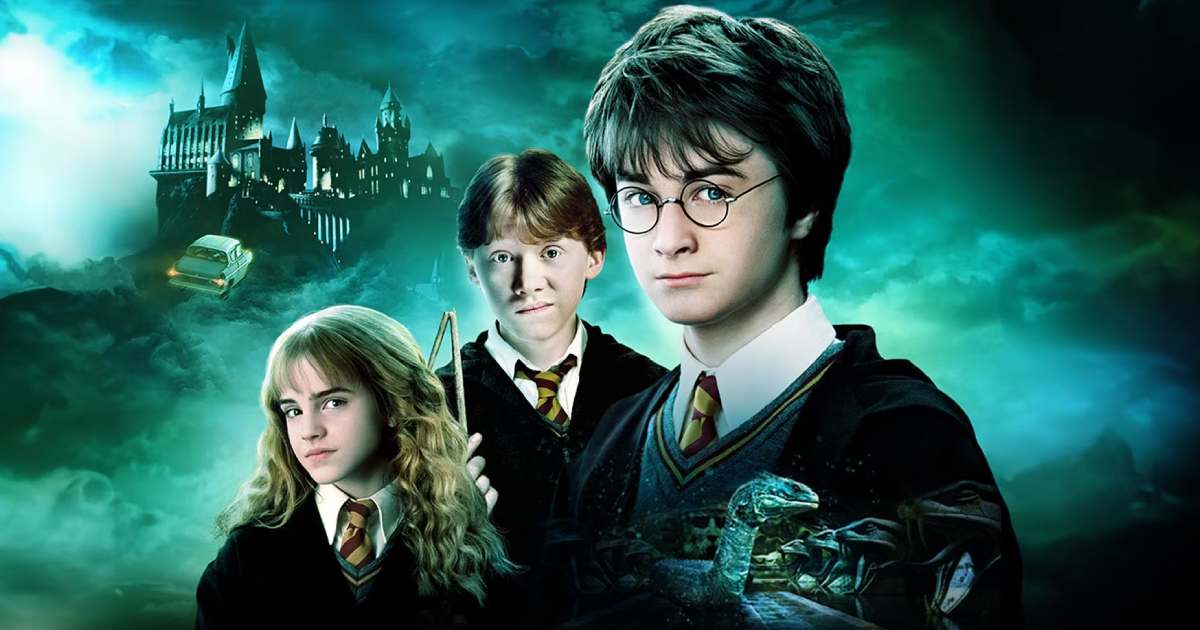
It is 2026, and we are still arguing about which Wizarding World film reigns supreme. Some people swear by the cozy, nostalgic vibes of the first two. Others get all high-brow about Alfonso Cuarón’s artistic direction in the third. But honestly? If you want the raw, political, and emotionally bruised heart of the series, you have to talk about the Harry Potter five movie, officially known as Harry Potter and the Order of the Phoenix.
This is the one where things got real. No more "the school is in danger but we still have time for a Quidditch match" energy. This movie is a psychological thriller disguised as a fantasy flick. It’s the shortest film in the franchise—clocking in at 138 minutes—despite being based on the longest book in the series. That’s a massive feat of editing. David Yates stepped into the director’s chair for the first time here, and he basically never left, staying on for the rest of the original series and the Fantastic Beasts prequels.
The Dolores Umbridge Factor
Let’s be real for a second. Voldemort is scary, sure. He’s a noseless snake-man with a god complex. But Dolores Umbridge? She’s the kind of evil you actually meet in real life. Imelda Staunton played her so perfectly that it’s almost hard to watch. That high-pitched giggle and the obsession with pink tea sets while she’s literally carving sentences into Harry’s hand with a Blood Quill—it’s visceral.
The Harry Potter five movie works because it shifts the conflict. It’s not just "Good vs. Evil" anymore. It’s "Truth vs. Bureaucracy." The Ministry of Magic, led by a terrified and delusional Cornelius Fudge, spent the whole movie gaslighting a teenager. They used the Daily Prophet to run a smear campaign against Harry, calling him a liar and an attention-seeker. If that doesn't feel relevant to our modern world, I don't know what does.
What Most People Get Wrong About the Plot
One of the biggest misconceptions about this specific film is that "nothing happens" until the end. I’ve heard people say it’s just Harry being moody for two hours. First off, the kid has PTSD. He watched Cedric Diggory die and saw a dark lord rise from a cauldron. Give him a break.
But more importantly, the movie builds the tension through the formation of Dumbledore's Army (D.A.). Those scenes in the Room of Requirement aren't just filler. They’re a masterclass in character development. You see Neville Longbottom go from a bumbling kid who can’t hold a wand to a legitimate resistance fighter. You see the trio—Harry, Ron, and Hermione—taking on roles that go way beyond "students."
And then there’s the Thestral "plot hole." People always ask: Why could Harry only see them now? He saw his mom die when he was a baby! The lore is pretty specific here. You don't just have to "see" death; you have to process it. A one-year-old doesn't understand the concept of mortality. By the time the Harry Potter five movie starts, Harry has fully digested what it means for someone to be gone forever. It’s a heavy, dark realization that mirrors the film’s desaturated color palette.
Behind the Scenes and "Hollywood Accounting"
Here’s a bit of trivia that usually blows people’s minds. Even though the Harry Potter five movie grossed nearly $942 million at the global box office, Warner Bros. famously claimed it made a **$167 million loss** on paper.
How? A little thing called "Hollywood Accounting."
A leaked balance sheet showed the studio charged itself massive "distribution fees" and "marketing costs" to essentially wipe out the taxable profit. It’s a classic industry move, but it’s wild to think that one of the most successful movies of 2007 could be considered a "failure" by accountants.
On a more technical note, the Battle at the Department of Mysteries was a nightmare to film. The Prophecy Room was the first entirely digital set in the franchise. Why? Because the production team realized that if they built thousands of glass globes for real, the reflections would make it impossible to hide the cameras.
Why the Ending Still Hits So Hard
The showdown between Dumbledore and Voldemort in the Ministry atrium is arguably the best duel in the entire eight-film run. No "priori incantatem" beam-locking cliches here. It’s fire, water, glass, and raw power.
But the real gut-punch is Sirius Black.
Sirius was the only father figure Harry had left. His death at the hands of Bellatrix Lestrange (played with unhinged brilliance by Helena Bonham Carter) changed everything. The silence of Harry’s scream in that scene—a choice David Yates made because Daniel Radcliffe’s actual scream was reportedly too haunting for a PG-13 rating—is one of the most powerful moments in cinema history.
Actionable Insights for Your Next Rewatch
If you’re planning to dive back into the Harry Potter five movie, keep an eye out for these specific details:
- The Clothing Shift: Notice how Harry’s clothes become more "muggle" and dark as he feels more isolated from the wizarding world.
- Umbridge’s Pink: Her outfits actually get darker and more "intense" pink as she gains more power. It’s subtle, but it tracks her descent into full-blown tyranny.
- The Mirrors: In the Room of Requirement, the mirrors are positioned to show the students their own progress, symbolizing self-reflection and growth.
- The Sound Design: Listen to the whispering in the Hall of Prophecies. It’s actually layered voices of the cast reciting various lines from the books.
This movie isn't just a bridge to the finale. It’s a standalone exploration of what happens when the people in charge stop listening to the truth. It’s about finding your own "army" when the world turns its back on you. Next time someone tells you it’s the "boring" one, remind them that it’s the only movie in the series that actually shows us how a revolution starts.
To get the most out of the experience, try watching the film immediately after a re-read of the fifth book. You’ll notice how Michael Goldenberg (the only screenwriter in the series besides Steve Kloves) managed to condense a 800+ page tome into a lean, mean cinematic machine that still hits every emotional beat.