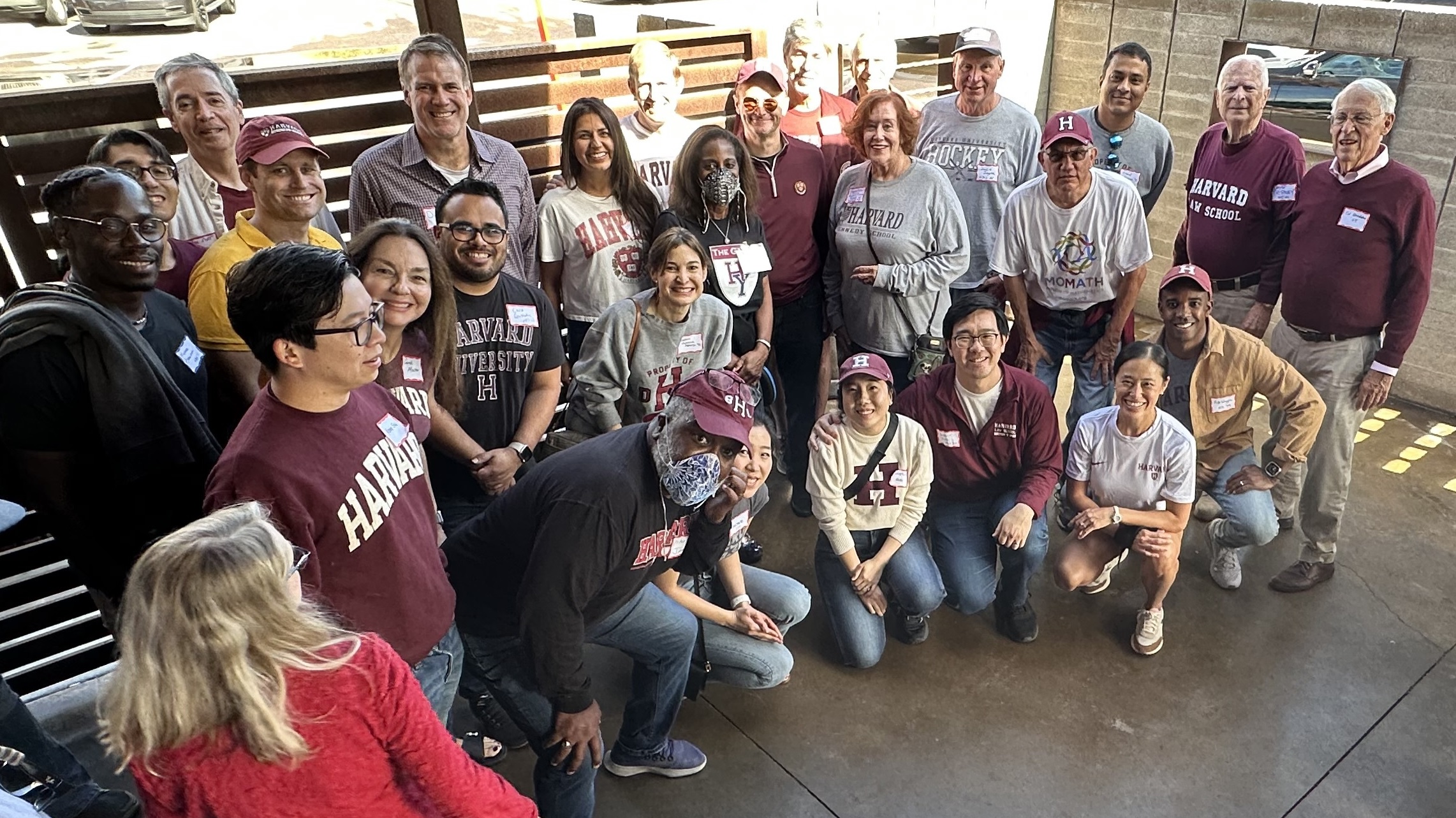
You see the photos of Crimson-clad students rowing on the Charles or debating in wood-paneled rooms. It looks stiff. It looks like a movie set from the nineties. But if you actually walk through the Smith Campus Center or hang out in the basement of a House, you realize that harvard university student clubs are basically the real curriculum. People joke that Harvard is a series of clubs with a university attached to it. Honestly? They aren't entirely wrong.
The sheer volume is overwhelming. We’re talking over 450 officially recognized organizations. That’s not even counting the "underground" stuff or the fiercely independent final clubs that the administration has a complicated relationship with. You’ve got everything from the Harvard Radcliffe Dramatic Club to the Harvard Rocket Team. It’s a chaotic, high-energy ecosystem where students spend forty hours a week on extracurriculars and maybe ten on their actual Psets.
The High Stakes of "Comping"
Here is the thing nobody tells you before you arrive in Cambridge: you don't just "join" the most famous harvard university student clubs. You "comp" them. The word is short for competition or competency. It is a grueling, multi-week, sometimes multi-month ordeal that mirrors a corporate internship.
Take the Harvard Crimson. It’s the daily student newspaper. To get on staff, you don't just write a story; you undergo a rigorous training process where editors critique your work with a level of intensity that would make a professional newsroom blush. Some people spend twenty hours a week comping while trying to maintain a GPA. It is stressful. It’s also where the real bonding happens. You’re in the building at 2:00 AM, eating cold pizza, arguing over a comma in a lead editorial. That’s the Harvard experience.
The Harvard Lampoon is even more notorious. Their comp is legendary for being cryptic and incredibly difficult. They have that castle-like building on Mt. Auburn Street. People want in because the alumni network is a straight line to Saturday Night Live or The Simpsons. But the rejection rate is high. Really high.
It Isn't All Pretentious
Lest you think it’s all suits and power-brokering, there’s a massive side of campus life dedicated to things that are just... fun. Or weird.
- The Harvard College Anime Society is huge.
- There are groups dedicated to mushroom foraging.
- You have the Harvard Gin & Tonic Society, which is exactly what it sounds like, though they focus on the "appreciation" of the beverage’s history and mixology.
The Power Players: Finance and Consulting
If you want to understand the professional gravity of the campus, you have to look at the Harvard Financial Strategy Group or the Harvard Undergraduate Consulting on Business and the Environment (HUCBE). These aren't just hobbies. They are pre-professional powerhouses.
Students in these clubs often work with real clients. They’re doing pro-bono consulting for Fortune 500 companies or local nonprofits. It’s why you see so many sophomores walking around in business casual on Tuesdays. They have "client meetings." It’s a bit surreal to see a nineteen-year-old discussing market entry strategies for a renewable energy startup, but that is the reality of many harvard university student clubs.
The Harvard Investment Association (HIA) manages a real slice of the university’s capital. Well, a tiny, tiny slice compared to the endowment, but it's real money. Thousands of dollars are on the line. The pressure to perform is immense because your peers are watching your portfolio.
Public Service and the Phillips Brooks House Association
The soul of the university, arguably, lives in the Phillips Brooks House Association (PBHA). This is a student-led 501(c)(3) non-profit. It’s an umbrella for dozens of public service programs.
Think about that.
Students aren't just volunteering; they are running the whole show. They manage budgets, hire staff, and coordinate programs like the Small Claims Advisory Service, where they help local residents navigate the legal system. Or the Refugee Youth Summer Enrichment (RYSE) program. This isn't just "resume padding." These are students spending their summers in the heat of Dorchester or Roxbury, running camps for kids who need them. It’s demanding work. It changes how these students see the world outside the "Harvard Bubble."
The Social Club Controversy
We can’t talk about harvard university student clubs without mentioning the Final Clubs. They are technically "unrecognized" by the university now. Names like the Porcellian, the A.D., or the Fly carry a lot of historical weight (and baggage).
For years, the university tried to penalize members of these single-gender organizations. There were lawsuits. There were protests. Eventually, the university backed off its sanctions, but the tension remains. Some clubs went co-ed, like the Spee and the Fox. Others stayed male-only or female-only. They are private, they are wealthy, and they represent the "Old Harvard" that the modern university is trying to balance with its more inclusive goals. You’ll see the members wearing their club ties or "pudding" scarves, a subtle nod to a social world that exists parallel to the academic one.
Performance and the Arts
If you like the stage, the Hasty Pudding Theatricals is the big name. They do a burlesque-style drag show every year. It’s ridiculous. It’s loud. They give out the "Man of the Year" and "Woman of the Year" awards to Hollywood celebrities who actually come to Cambridge to accept them.
Then there are the a cappella groups. The Harvard Krokodiloes travel the world. Literally. They do world tours during the summer. They sing in tuxedos. On the flip side, you have the Harvard Din & Tonics. The rivalry is friendly, mostly, but the talent is undeniable. These groups are professional-grade.
How to Navigate the "Club Fair" Chaos
Early in the fall, there is an involvement fair. It’s usually held at the Science Center Plaza or inside the Tercentenary Theatre. It is loud. It is overwhelming. Hundreds of tables. Thousands of flyers.
The biggest mistake freshmen make is signing up for twenty mailing lists. You will get 400 emails a day. Your inbox will die. The veterans will tell you to pick three.
- One for your career (Consulting, Pre-med, Law).
- One for your soul (Service, Arts, Religion).
- One for pure weirdness (The Harvard Folklore Society, maybe?).
The Cultural and Political Impact
Politics is inescapable here. The Harvard Institute of Politics (IOP) is based at the Kennedy School but is run largely by undergraduates. They bring in heads of state and major journalists. If there is a major election happening, the IOP is the center of the universe.
Then you have the cultural groups like the Black Students Association (BSA) or HOLA. These aren't just social clubs; they are advocacy hubs. They push for faculty diversity. They create spaces where students of color can breathe away from the pressure of a Predominantly White Institution (PWI). They host some of the best events on campus, like the Eleganza fashion show, which sells out every single year and is probably the most high-energy night in Cambridge.
Actionable Steps for Prospection and Integration
If you are looking at harvard university student clubs—whether as a prospective student, a parent, or just a curious observer—here is how you actually engage with this world.
Research the "Comp" before you arrive. If you have your heart set on the Crimson or the Lampoon, look up their specific timelines. Some comps start in the first week of the semester. If you miss the introductory meeting, you might have to wait an entire year.
Look beyond the "Big Names." Everyone knows the Model UN (HNMUN) is world-class. But some of the smaller, niche clubs like the Harvard Undergraduate Beekeeping Society offer a much tighter-knit community and less of the "hustle culture" that can burn people out.
Check the funding. Harvard provides significant "UC" (Undergraduate Council) funding and grants for student organizations. If you have an idea for a club that doesn't exist, you can start one. You just need a constitution and a few members. Students have started everything from "Taylor Swift Appreciation" clubs to highly specific tech research groups this way.
Understand the commitment. A leadership role in a major club is effectively a full-time job. Before stepping into a "Board" position, talk to the juniors and seniors. Ask them how many hours they actually sleep. The answer might scare you, but it’s better to know before you’re in over your head.
The reality of these clubs is that they provide the "soft skills" the classroom doesn't. You learn how to manage a $50,000 budget, how to fire a friend who isn't doing their work, and how to negotiate with a university administration that moves like a glacier. That’s the real Harvard education. It’s messy, it’s competitive, and it’s occasionally absurd, but it defines the life of every student who passes through the gates.