You know that feeling when you're watching a movie and you can't decide if you want to hug the main character or hide behind a pillow because of the second-hand embarrassment? That’s basically the entire experience of watching Hello My Name Is Doris.
Most people see the poster—Sally Field in neon colors and giant cat-eye glasses—and assume it’s just another "quirky grandma" comedy. You might think it’s a lighthearted romp about a senior citizen discovering Brooklyn hipster culture. But honestly? That’s barely scratching the surface. It’s actually a pretty heavy look at grief, mental health, and the invisible lives of caregivers.
Why Doris Miller Isn’t Your Typical Movie Heroine
Doris is a data entry worker in a trendy Manhattan office. She's been there for decades. She's the kind of person younger coworkers walk past without even blinking. When her mother dies at the start of the film, Doris is left in a massive, cluttered house on Staten Island, drowning in decades of hoarded newspapers and old yogurt containers.
Then John Fremont (Max Greenfield) enters the picture. He's the new art director. He's young, he's from California, and he's nice to her in a way she isn't used to.
The "Meet-Cute" That Isn't
In a crowded elevator, John helps Doris when she’s struggling with a discarded lamp she found in the trash. It’s a classic rom-com setup, but the movie plays it with a layer of realism that makes it feel slightly off. Doris isn't just "smitten." She becomes obsessed.
Guided by her best friend's 13-year-old granddaughter, Vivian, Doris starts "Facebook stalking" John. She creates a fake profile. She buys an electro-pop CD just because he likes the band. She even shows up at a Baby Goya and the Nuclear Winters concert in a ridiculous neon outfit.
The genius of Sally Field’s performance is that she makes this stalking feel less like a thriller and more like a delayed adolescence. Since Doris spent her entire youth taking care of her sick mother, she’s basically a 60-something teenager experiencing her first crush.
The Hoarding Subplot Is the Real Heart of the Story
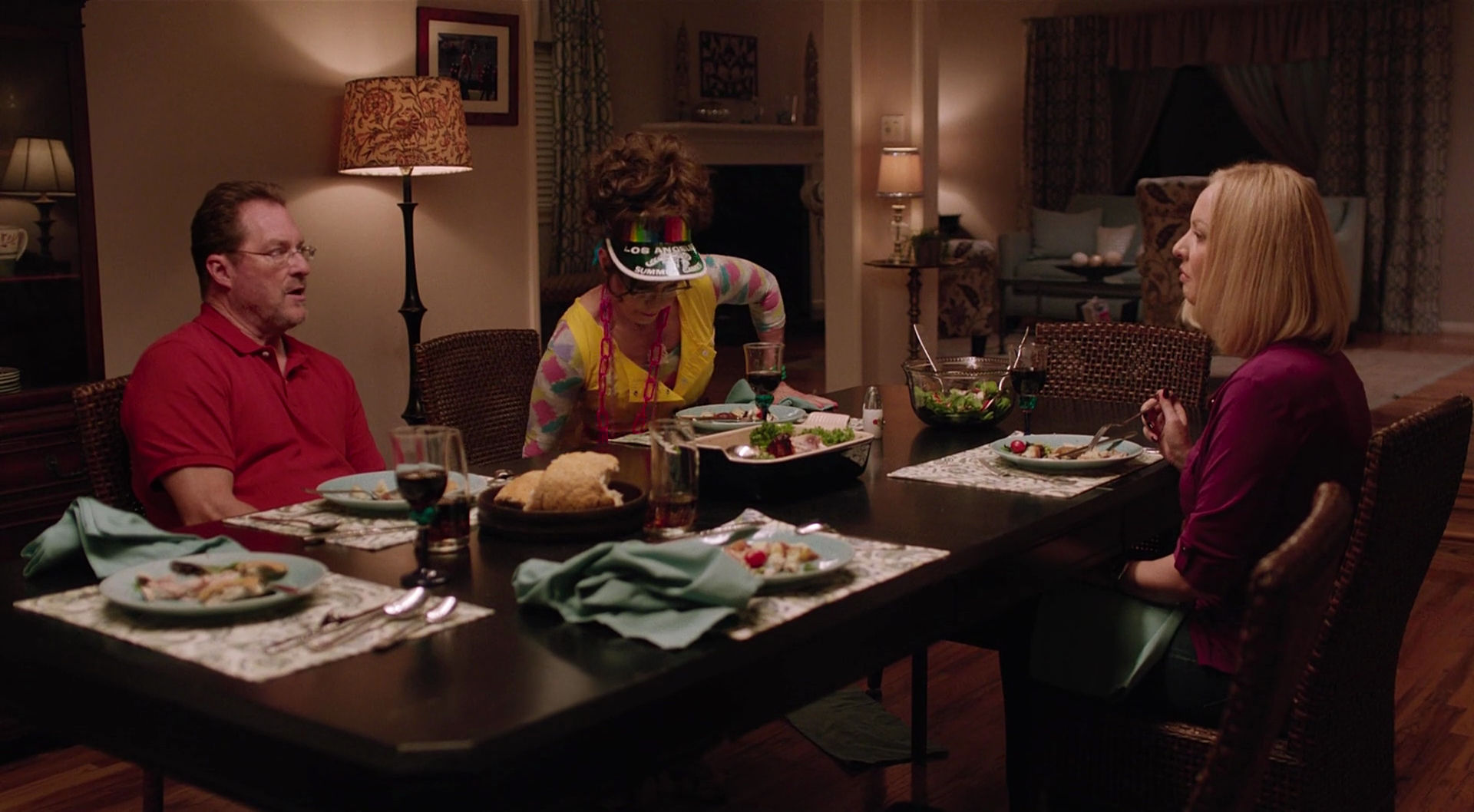
While the trailers focused on the romance, the actual conflict in Hello My Name Is Doris is about that house. Her brother, Todd (Stephen Root), and his wife, Cynthia, want her to sell the Staten Island property. They bring in a therapist to deal with the hoarding.
It's painful to watch.
When the therapist tries to get Doris to throw away a single rubber band, she has a breakdown. It's not about the rubber band. It's about the fact that she gave up her life—including a potential marriage years ago—to stay in that house and be a daughter. The "stuff" is a physical manifestation of all the years she lost.
Hipsters and the "Vintage" Aesthetic
One of the funniest, and most biting, parts of the movie is how the Williamsburg hipsters react to Doris. To them, she’s not a hoarder or a "spinster." She’s an icon. They see her mismatched 50s-meets-80s wardrobe as peak "vintage" style.
There's a scene where she attends a knitting circle and everyone thinks she’s the coolest person in the room. It’s a great commentary on how youth culture often fetishizes the past without actually understanding the people who lived through it.
The Ending: What Really Happened with John?
A lot of viewers were frustrated by the ending. If you’re looking for a "happily ever after" where the 60-year-old woman gets the 30-year-old guy, you’re going to be disappointed.
Doris eventually makes a move. She goes to John's apartment, and things get... awkward. Very awkward. He views her as a friend. A mentor, maybe. But definitely not a romantic partner. When she realizes this, the fantasy world she built collapses.
But here’s why the ending actually works:
- It’s honest. A romance between them would have been a different, shallower movie.
- It triggers her growth. Losing John forces her to finally face her house.
- The elevator scene. The very last shot of the film shows Doris leaving her job. She sees John in the elevator. She smiles. She’s finally okay with being herself, without needing him to validate her.
What We Can Learn From Doris
If you've ever felt like life passed you by, or if you're currently caring for an aging parent, this movie hits different. It's a reminder that "coming of age" doesn't have to happen in your twenties.
Next Steps for Fans of the Film:
- Watch the original short: The movie is based on a short film called Doris & The Intern by Laura Terruso. It’s interesting to see how the character evolved.
- Check out Michael Showalter’s other work: If you liked the tone, he also directed The Big Sick, which balances humor and heavy themes similarly well.
- Re-evaluate the "Hoarder" trope: If you know someone struggling with hoarding, the film offers a more empathetic look than most reality TV shows. It's usually about grief, not laziness.
The takeaway? Taking a risk—even if you end up looking a little bit foolish—is usually better than staying buried under a pile of old newspapers.