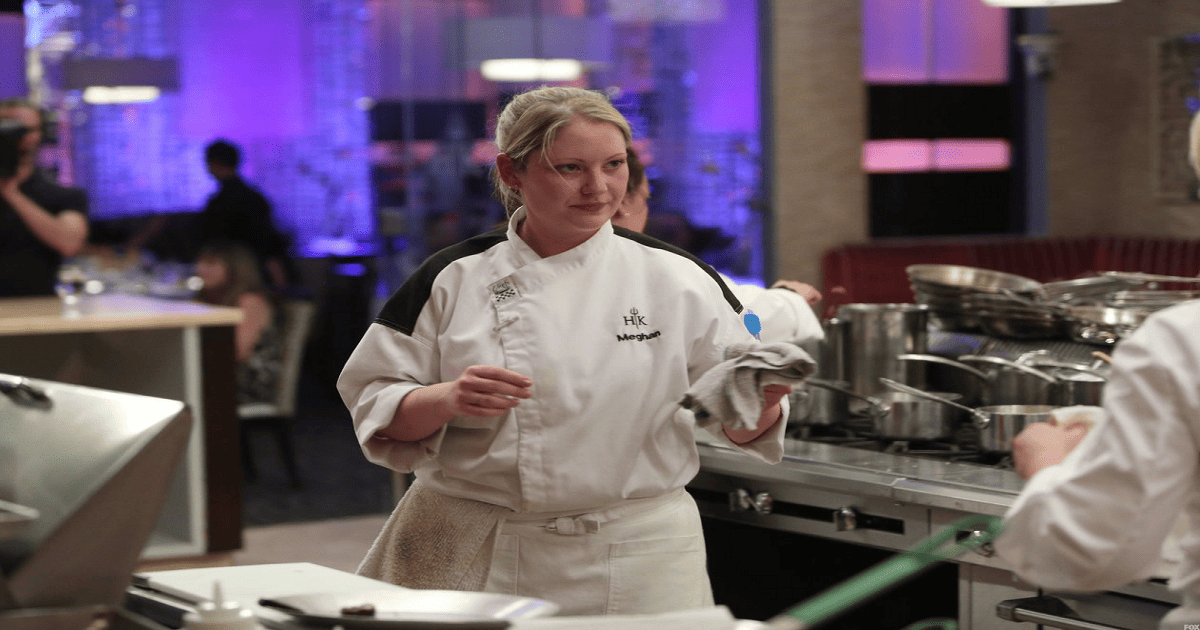
Gordon Ramsay usually spends his time screaming at jaded line cooks who’ve spent a decade getting bitter in dive bars. But Hell's Kitchen Season 20 flipped that. It was a weird, risky pivot. By limiting the cast to chefs aged 23 or younger, the producers basically invited chaos into the Las Vegas kitchen. You'd think a bunch of "Young Guns" would just crumble under the pressure of a Michelin-starred chef losing his mind over raw scallops. Honestly, the opposite happened.
The energy was different. It wasn't about ego-driven veterans trying to protect their "reputation." It was about raw talent trying to survive.
The Young Guns Gamble and Why It Mattered
Most people don't realize how much the restaurant industry changed around 2021. Finding talent was hard. Finding young talent that didn't quit after three days was harder. Hell's Kitchen Season 20 served as a sort of industry litmus test. Could a 21-year-old actually lead a brigade at a high-end Caesars Palace restaurant?
Ramsay seemed to have more patience this year. Kinda. He still threw plates. He still called people "donkeys." But there was a mentor vibe that felt more authentic than the usual "I'm going to break you" schtick. He knew these kids were the future of his brand.
The talent pool was surprisingly deep. Take Trenton Garvey. He didn't just win; he dominated through sheer technical consistency. He was 23, but he cooked like a man who had been staring at a French stove for forty years. When he stood at that pass, he wasn't shaking. That’s what made this season special—it proved that "experience" is often just a fancy word for "bad habits."
Breaking Down the Final Stand: Trenton vs. Megan
The finale was a nail-biter. Megan Gill was arguably the most organized chef the show has ever seen. Seriously, her kitchen was clinical. But Trenton had this "it" factor. He took risks with his menu that felt personal.
While Megan focused on execution, Trenton focused on story. Ramsay has always leaned toward the chef who can lead, not just the one who can follow a recipe perfectly. By the time that final door opened, it felt like the natural conclusion to the Young Guns narrative. A young kid from Missouri, who basically out-hustled everyone, was now heading to Gordon Ramsay Steak at Paris Las Vegas.
Behind the Scenes: The COVID Factor
We have to talk about the bubble. This season was filmed back-to-back with Season 19 in Las Vegas, right as the world was trying to figure out how to exist during a pandemic. This created a weird, claustrophobic atmosphere. The "Young Guns" weren't just competing; they were isolated.
- They stayed at Planet Hollywood.
- The set was a custom-built studio, not a real functioning restaurant in the traditional sense.
- Every guest was vetted and tested.
This isolation actually helped the "Young Guns" bond faster than previous casts. There were fewer outside distractions. No trips to local bars to blow off steam. It was just the kitchen and the dorms. That pressure cooker environment is why we saw such rapid growth in chefs like Brynn Gibson or Kyaa North. They didn't have a choice but to get better.
What Most People Get Wrong About Hell's Kitchen Season 20
The biggest misconception? That the food was "simpler" because the chefs were younger. That’s total nonsense. If anything, the Hell's Kitchen Season 20 contestants were more tech-savvy and aware of modern trends than the older vets from previous years. They grew up on Instagram food culture. They knew what a "social media-ready" plate looked like before they even walked into the kitchen.
They weren't just making meatloaf and mashed potatoes. They were playing with sous-vide, fermentation, and complex plating styles that Ramsay actually had to rein in sometimes.
- The Blind Taste Test was still a disaster for most of them. (Some things never change).
- The Charity Dinner Gala showed which kids could actually handle VIPs.
- Communication was the biggest hurdle, not the cooking itself.
Younger chefs often struggle with "the voice." They can cook circles around people, but screaming orders at a 40-year-old sous chef is intimidating. Watching Trenton and Megan find that authoritative tone was the real "arc" of the season.
The Impact on the Hell's Kitchen Brand
Before this, the show was starting to feel a bit... stale? You can only watch so many middle-aged men have a mid-life crisis over a risotto before you want to change the channel. Hell's Kitchen Season 20 breathed life back into the format. It attracted a younger demographic. It felt relevant.
It also changed how Ramsay hires. He’s looking for "moldability" now. He wants someone he can train in the "Ramsay Way" without having to un-teach twenty years of bad habits learned in greasy spoons.
The Post-Season Reality for the Top Chefs
So, where are they now? This is what everyone asks. Winning Hell's Kitchen isn't just a trophy; it's a massive career pivot.
Trenton Garvey didn't just take the job; he thrived. He stayed with the Ramsay group, eventually moving into significant roles within the empire. Megan Gill continued to crush it in the culinary world, proving she wasn't just a "runner-up" but a high-level executive talent.
The "Young Guns" moniker wasn't just a marketing gimmick. It was a badge of honor for a generation of cooks who entered the industry during its hardest era. They dealt with labor shortages, supply chain issues, and a global health crisis, all while being yelled at by a British guy in a white coat.
How to Apply the "Young Gun" Mindset to Your Own Career
You don't have to be a chef to learn something from this season. It’s basically a masterclass in "High-Pressure Growth."
- Embrace the "Don't Know" Factor: The best contestants weren't the ones who claimed to know everything. They were the ones who listened to Ramsay's critiques without getting defensive.
- Speed Over Perfection: In the kitchen, a perfect steak that’s ten minutes late is a failure. In business, shipping "good enough" on time beats "perfect" too late.
- Find a Mentor Who Yells (Metaphorically): You need someone to tell you when you're being a donkey. Growth happens in the friction.
Actionable Steps for Aspiring Professionals
If you’re looking to replicate the success of the Season 20 standouts, start by auditing your technical skills. Whether you're in a kitchen or a corporate office, the fundamentals matter.
- Master the Basics: Trenton won because his scallops were always perfect. Not because they were "creative," but because they were consistent. Master your "scallops"—whatever that task is in your job.
- Seek High-Pressure Environments: You won't know if you're a "Young Gun" until you're in the weeds. Volunteer for the projects nobody else wants.
- Study the Competition: The chefs who did best in Season 20 were the ones who watched their teammates' mistakes and adjusted before it was their turn at the station.
Hell's Kitchen Season 20 remains a standout because it proved that youth isn't a liability. It's an engine. If you have the discipline to match the energy, you're dangerous. Ramsay saw that. The viewers saw that. And the restaurant industry is better for it.