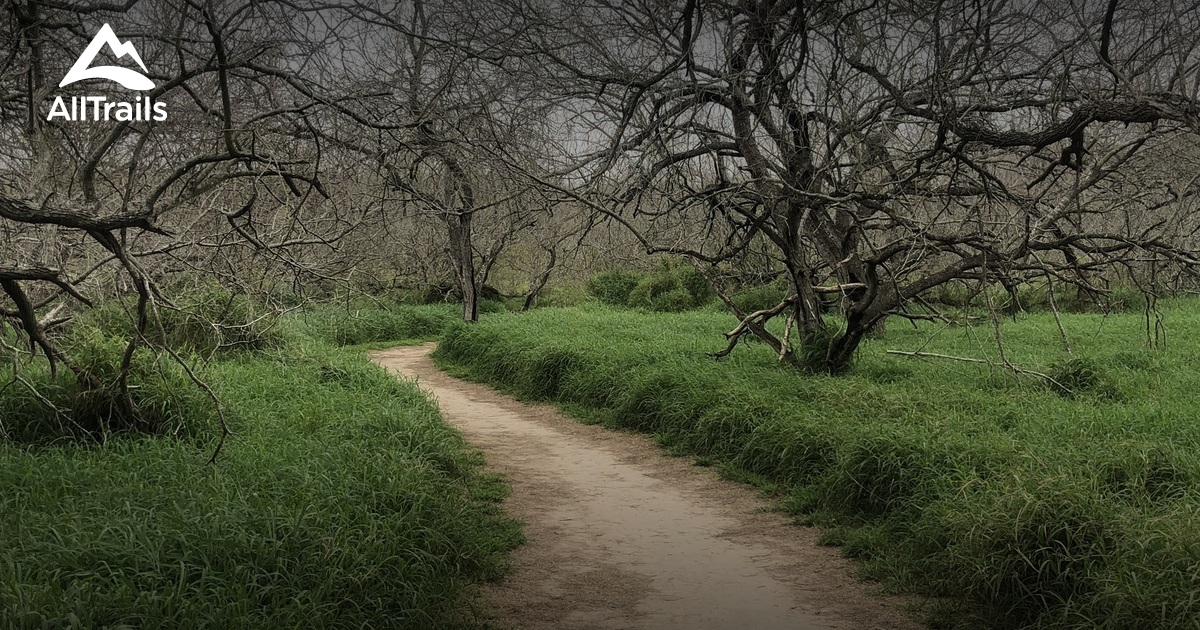
You’re driving through Harlingen, Texas, and if you aren’t looking for it, you’ll probably miss the turn. It’s tucked away. Right off Loop 499 near the Arroyo Colorado, Hugh Ramsey Nature Park doesn't look like much from the entrance road, but honestly, it’s arguably the most vital chunk of the World Birding Center network in the Rio Grande Valley. Most folks just see a dusty parking lot. They're wrong.
If you want to see the "Valley Specialties"—those birds that don't live anywhere else in the United States—this is where you go. It’s raw. It’s 54 acres of thick, thorny brush and winding trails that feel like a labyrinth if you don't have your bearings. Unlike some of the more manicured parks in South Texas, Ramsey feels like what this land was before the citrus groves and suburban sprawl took over. It’s a remnant of a vanishing ecosystem known as the Tamaulipan matorral.
The Weird Magic of the Ebony Loop
Most visitors gravitate toward the Ebony Loop. It makes sense. It’s a short walk, but the density of life there is staggering. You’ve got the Texas Ebony trees—those dark, gnarled beauties with pods that look like oversized beans—shading the path. This isn't just a walk in the park; it's an immersion into a specific kind of chaos.
You’ll hear the Plain Chachalacas before you see them. They’re loud. Really loud. They sound like a group of people arguing about a bill in a language composed entirely of raspy squawks. These birds are a staple of Hugh Ramsey Nature Park, and while they might seem common to locals, birders fly in from across the globe just to get a glimpse of their prehistoric-looking silhouettes.
The park is part of a larger puzzle. It’s a stopover on the Central Flyway. Because the Arroyo Colorado runs right through here, it acts as a highway for migratory species. But it’s the residents that steal the show. Look for the Great Kiskadee with its bright yellow belly and the Altamira Oriole, which builds these incredible, long, pendulous nests that hang from the branches like woven socks.
Why the Arroyo Colorado Matters
The river is the lifeblood here. But let's be real: the Arroyo Colorado isn't a pristine mountain stream. It’s a drainage way, a tidal river, and an industrial artery. Yet, the riparian habitat at Hugh Ramsey Nature Park is what keeps the local wildlife from disappearing. The brush here—things like Granjeno, Brasil, and Lotebush—provides the "thorns and berries" that keep the ecosystem humming.
It’s hot. Expect sweat. The humidity in Harlingen can feel like a wet blanket, especially in the summer months. But that heat is exactly why the butterflies thrive. You aren't just looking for birds; you're looking for the Malachite butterfly or the Bordered Patch. The park has specialized gardens specifically planted to attract these insects, utilizing native nectar sources like Crucita (Mistflower).
Navigating the Trails Without Getting Lost
The trail system is roughly five miles long. It’s not a straight line. It’s a web.
- The Upper Loop provides more elevation, giving you a slightly better vantage point over the brush.
- The River Trail takes you down closer to the water, where you might spot an Olive Sparrow or even a Ringed Kingfisher if luck is on your side.
- The internal connectors are where the real shade is.
Basically, if you stay on the perimeter, you'll see the big vistas. If you dive into the center, you’ll find the bird blinds. These blinds are game-changers. Volunteers from the Arroyo Colorado Audubon Society and other local groups maintain water features here. In a desert-adjacent environment like South Texas, water is gold. Sit quietly for twenty minutes at a drip station, and the birds will come to you.
It’s a different kind of patience. You’ve got to be still. The lizards—mostly Texas Spiny Lizards—will skitter across the wood of the blind, and if you’re lucky, a Bobcat might even slink past. They live here. It’s their house; you’re just visiting.
The Misconception About "Empty" Space
A lot of people complain that the park looks "dead" during the winter or in the height of a drought. That’s a fundamental misunderstanding of the landscape. Native South Texas plants don't always look lush. They look tough. They have thorns for a reason. They're surviving.
When you walk through Hugh Ramsey Nature Park, you’re seeing a landscape that has been restored. Decades ago, much of this was disturbed land. Through the efforts of the City of Harlingen and local naturalists, it was replanted with the specific species needed to support the local fauna. This isn't just nature; it's a deliberate act of conservation.
Practical Realities of Visiting
Let’s talk logistics. First off, it’s free. That’s a rarity for a world-class birding site. You don’t need a permit or a ticket. Just show up.
- Bring Bug Spray. Seriously. The mosquitoes near the Arroyo don't care about your feelings. They are persistent and numerous.
- Water is Non-Negotiable. There are no vending machines in the middle of the Ebony Loop. If you go for a two-hour hike in 95-degree weather without a bottle, you're going to have a bad time.
- The Sun is Different Here. South Texas sun has a bite to it. Wear a hat.
- Check the Bird Blinds First. If you're short on time, head straight to the water stations. That's where the action is concentrated.
The park is located at 1001 South 77 Sunshine Strip, but the entrance can be a little tricky if you’re following older GPS units. Look for the signs for the Harlingen World Birding Center. It shares a general area with some city maintenance facilities, which can be confusing, but once you pass the gate, the urban noise starts to fade.
The Best Time to Visit
Early morning. No question. By 10:00 AM, the birds have gone quiet, and the heat starts to rise off the gravel. If you can get there at sunrise, you’ll witness the "morning chorus." It’s deafening in the best way possible.
Spring migration (late March through May) is the peak season. This is when the colorful warblers pass through. But don't sleep on the fall. The hawk migration in this corridor is legendary. You can stand in the open areas of Hugh Ramsey Nature Park and watch thousands of Broad-winged Hawks kettling in the thermals above you. It’s one of those things that makes you feel very small, very quickly.
Addressing the "Safety" Question
Occasionally, people ask if it’s safe, given its proximity to the border and the secluded nature of the trails. Honestly, it’s like any other city park. You’ll see joggers, photographers with lenses longer than your arm, and retirees in khaki vests. Just use common sense. Don't leave your purse on the passenger seat of your car in the parking lot. Stick to the trails. The biggest "danger" you’re likely to encounter is a Rattlesnake, and even then, they really just want you to move along so they can go back to napping.
The Future of the Park
Hugh Ramsey Nature Park is constantly evolving. The Harlingen Parks and Recreation department, along with the Rio Grande Valley Chapter of the Texas Master Naturalists, put in massive hours here. They are constantly battling invasive species like Guinea Grass, which tries to choke out the native seedlings.
The struggle is real. Nature isn't static. It's a constant tug-of-war between the native brush and the encroachment of the modern world. Every time a volunteer pulls an invasive weed or cleans a bird bath, they are holding the line for the Green Jays and the Screech Owls.
How to Get the Most Out of Your Trip
To really "see" Ramsey, you have to slow down. This isn't a place for a power walk. It’s a place for observation.
Look at the ground. You might see the tracks of a Javelina (Collared Peccary). They look like small pig tracks. These animals move through the park in small groups called squadrons. They aren't aggressive, but they are smelly and very cool to watch from a distance.
Look at the trees. Notice the Spanish Moss hanging from the Hackberry trees. It’s not a parasite; it’s an epiphyte. It gets its nutrients from the air and the rain. It gives the park a slightly ghostly, Southern Gothic vibe that contrasts sharply with the bright tropical colors of the birds.
Actionable Steps for Your Visit:
- Download Merlin Bird ID: Before you go, grab this app from the Cornell Lab of Ornithology. It’ll help you identify the songs you're hearing.
- Visit the Pavilion: There’s a map at the trailhead. Take a photo of it with your phone. The trail markers are okay, but having the full map on your screen is a lifesaver when you realize you've been circling the same Mesquite tree for ten minutes.
- Contribute to the Sighting Log: Many birders use eBird to log what they see at Ramsey. Check the recent sightings online before you arrive so you know if something rare, like a Crimson-collared Grosbeak, has been spotted recently.
- Respect the "Quiet Zones": When you're near the bird blinds, whisper. The birds here are used to people, but loud noises will still flush them, ruining the experience for everyone else sitting there.
Hugh Ramsey Nature Park is a testament to what happens when a community decides that a piece of land is worth saving. It’s not flashy. It’s not a theme park. It’s a quiet, thorny, beautiful slice of the real Texas. Whether you're a hardcore "lister" looking for your 500th bird species or just someone who needs to get away from the sound of traffic for an hour, this park delivers. It’s one of those rare places where the more you look, the more you actually see.
Pack your binoculars. Wear your old shoes. Go early. The Arroyo is waiting.
Next Steps:
To prepare for your trip, check the Harlingen weather forecast specifically for the "feels like" temperature, as the humidity at Hugh Ramsey Nature Park can be significantly higher than in the city center. Additionally, consider visiting the Valley Nature Center in nearby Weslaco if you want to compare different types of restored habitats in the region.