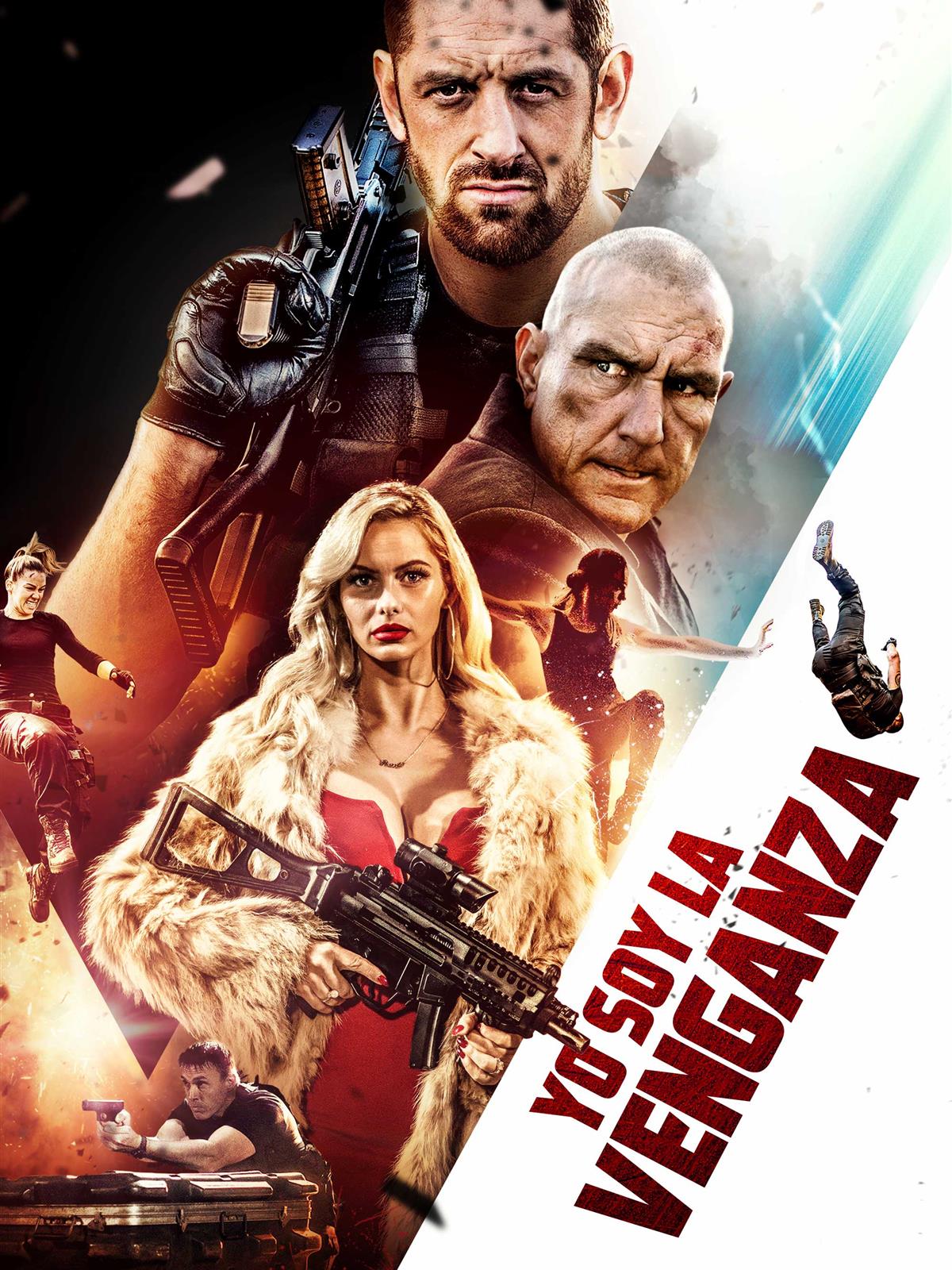
John Travolta has had one of the weirdest career trajectories in Hollywood history. One minute he’s the king of the world in Pulp Fiction, and the next, he’s starring in gritty, direct-to-video style revenge thrillers that somehow find a massive second life on streaming platforms like Netflix or Tubi. Yo soy la venganza, known in English as I Am Wrath, is the poster child for this phenomenon. Released in 2016, the movie didn't exactly set the box office on fire, but if you look at the viewing data from the last few years, people are still obsessed with this specific brand of "dad-core" action.
It’s a simple setup. Honestly, it's a setup we’ve seen a thousand times before.
A man’s wife is murdered. The police are either incompetent or corrupt—usually both. The man, who has a "secret past" (of course), decides to take matters into his own hands. But there’s something about the way Chuck Russell directed this film that keeps it in the conversation. Russell, the guy behind The Mask and Eraserhead (as a producer), brings a certain level of technical polish to what could have been a very forgettable flick.
The Reality Behind Yo Soy La Venganza
Let’s get one thing straight: the title itself carries a lot of weight. In Spanish-speaking markets, yo soy la venganza isn't just a translation; it’s a vibe. It taps into that classic Charles Bronson Death Wish energy that resonates across cultures. The plot follows Stanley Hill, played by Travolta, a former Black Ops operative who is trying to live a normal life in Columbus, Ohio. When his wife Vivian is killed in a parking garage and the killer walks free thanks to a dirty legal system, Stanley snaps.
He teams up with his old partner, Dennis, played by Christopher Meloni.
Now, Christopher Meloni is basically the secret weapon of this movie. You might know him as Elliot Stabler from Law & Order: SVU, and he brings that same "I might actually be insane" energy to this role. The chemistry between Travolta and Meloni is, frankly, the only reason the movie works as well as it does. They act like an old married couple who just happen to be very good at shooting people in the head. It’s weird. It’s funny. It’s kind of endearing.
Why the Critics Hated It (and Why They Might Be Wrong)
If you look at Rotten Tomatoes, the scores are brutal. We're talking single digits or low teens. Critics called it derivative and clichéd. And they aren't technically wrong. The script, written by Yvan Gauthier and Paul Sloan, hits every single trope in the "Retirement-Age Action Star" playbook.
But here’s the thing: movie critics often miss the "Sunday Afternoon Factor."
Sometimes you don't want a complex psychological thriller or a multi-layered social commentary. Sometimes you just want to see a guy with a slightly-too-obvious hairpiece get justice for his family. Yo soy la venganza delivers exactly that. It doesn't pretend to be Citizen Kane. It knows it’s a B-movie, and it wears that badge with pride. The action sequences are surprisingly well-shot, avoiding the "shaky cam" mess that ruined a lot of movies in the mid-2010s.
Production Troubles and the Columbus Connection
Most people don't realize that this movie was originally supposed to star Nicolas Cage with William Friedkin—the guy who directed The Exorcist—at the helm. Can you imagine that version? It would have been absolutely unhinged. Probably a masterpiece of "Cage-rage." Instead, the project languished in development hell for years before Travolta signed on and Chuck Russell took over.
They filmed a lot of it on location in Columbus, Ohio.
This gives the movie a very specific, grounded look. It’s not the shiny, neon-soaked version of Los Angeles or the gritty, cinematic New York we usually see. It looks like a real city where real people live, which makes the sudden outbursts of extreme violence feel a bit more jarring. Local residents still talk about seeing Travolta at local gyms and restaurants during the shoot. For a mid-budget thriller, it actually utilized the local geography pretty well, including the Ohio Statehouse.
Breaking Down the "I Am Wrath" Biblical Reference
The title isn't just a cool-sounding phrase. It’s actually a reference to Jeremiah 6:11 from the Bible: "But I am full of the wrath of the Lord, and I cannot hold it in."
This adds a layer of religious justification to Stanley’s rampage. Throughout the film, there’s a recurring theme of divine justice versus human law. Stanley feels that because the earthly authorities have failed, he is now an instrument of a higher power’s anger. It’s a common trope in the vigilante genre, but I Am Wrath leans into it heavily. Even Stanley’s tattoos reflect this "warrior of God" persona. It gives the character a bit more depth than your standard "angry guy with a gun," even if the movie doesn't fully explore the theological implications.
The Global Appeal of the Spanish Title
Why does yo soy la venganza trend so often in Latin American and Spanish markets?
Part of it is the marketing. In many regions, the film was sold as a direct successor to the Taken franchise. Liam Neeson paved the way for "Geriatric Action," and Travolta was more than happy to follow. In Spain and Mexico, the "revenge" genre has a massive, loyal following. There is a cultural appetite for stories where the "little guy" takes down corrupt politicians and crooked cops. Stanley Hill is the ultimate avatar for that frustration.
The title itself is punchy. It’s declarative. It’s a meme-able line before memes were even the primary way we consumed movies.
Technical Craft: More Than Meets the Eye
While the story is basic, the technical execution is surprisingly solid. Chuck Russell is a veteran. He knows how to pace a movie so it never feels like it’s dragging. The lighting in the underground scenes—particularly the scene where Stanley retrieves his "gear" from behind a basement wall—is classic noir.
- Cinematography: Andrzej Sekuła was the Director of Photography. If that name sounds familiar, it’s because he shot Pulp Fiction and Reservoir Dogs.
- Stunt Work: The hand-to-hand combat is heavy. It’s not flashy wushu; it’s messy, painful-looking brawling.
- Sound Design: Every punch sounds like a car door slamming. It’s exaggerated but effective for the genre.
You can see Sekuła’s influence in the framing. He uses wide shots to establish the loneliness of Stanley’s grief, then moves into tight, suffocating close-ups once the killing starts. It’s a level of visual storytelling that you don't usually find in movies that go straight to VOD.
Misconceptions About the Movie’s Success
There’s a common myth that yo soy la venganza was a "flop."
Financially, in terms of theatrical release, it didn't do much. But the movie was never really designed to be a summer blockbuster. It was a calculated play for the home video and streaming market. In that arena, it has been a massive success. It’s one of those movies that "travels" well. It’s easy to dub, the themes are universal, and John Travolta is still a massive global star, regardless of what American critics think of his recent choices.
The film has also gained a sort of "ironic" following among younger viewers who enjoy the over-the-top dialogue and Meloni’s scene-stealing performance. It’s become a staple of "Bad Movie Nights" that are actually "Secretly Kind of Fun Nights."
What We Can Learn From Stanley Hill
If you're watching yo soy la venganza for the first time, or rewatching it on a lazy Saturday, pay attention to the relationship between Stanley and Dennis. It’s the heart of the movie. Most revenge films are solitary affairs—one man against the world. By giving Stanley a partner, the film allows for dialogue and character development that wouldn't exist otherwise.
They argue about the past. They joke about their age. They reflect on how the world has changed since they were "in the game."
This makes Stanley’s mission feel less like a psychotic break and more like a return to a professional life he thought he’d left behind. It’s a subtle distinction, but it matters. It’s what separates this from a standard slasher movie.
How to Watch and What to Look For
If you’re diving into the world of yo soy la venganza, here is how to get the most out of the experience:
- Watch the background details: The filmmakers put a lot of Easter eggs in Dennis's barber shop and Stanley’s home that hint at their past lives in the Special Forces.
- Focus on Meloni: Seriously, his performance is a masterclass in how to have fun with a genre role. He’s eating the scenery in every single shot.
- Check the lighting: Notice how the color palette shifts from muted, depressing greys after the murder to vibrant, aggressive reds and oranges once Stanley starts his mission.
Don't go into this expecting a life-changing cinematic experience. Go into it expecting a well-made, gritty, slightly ridiculous action movie. It’s a throwback to the 80s and 90s style of filmmaking where the hero was invincible, the villains were pure evil, and the ending was always a foregone conclusion.
Next Steps for Fans of the Genre:
If you enjoyed the vibe of this film, you should look into the filmography of director Chuck Russell, specifically The Hunter's Prayer. Also, track down the "Columbus Film Commission" reports from the year of production; they offer a fascinating look at how a mid-sized city handles a major Hollywood production. Finally, compare the pacing of this film to the John Wick series—you'll see where I Am Wrath sticks to tradition and where Wick decided to reinvent the wheel.