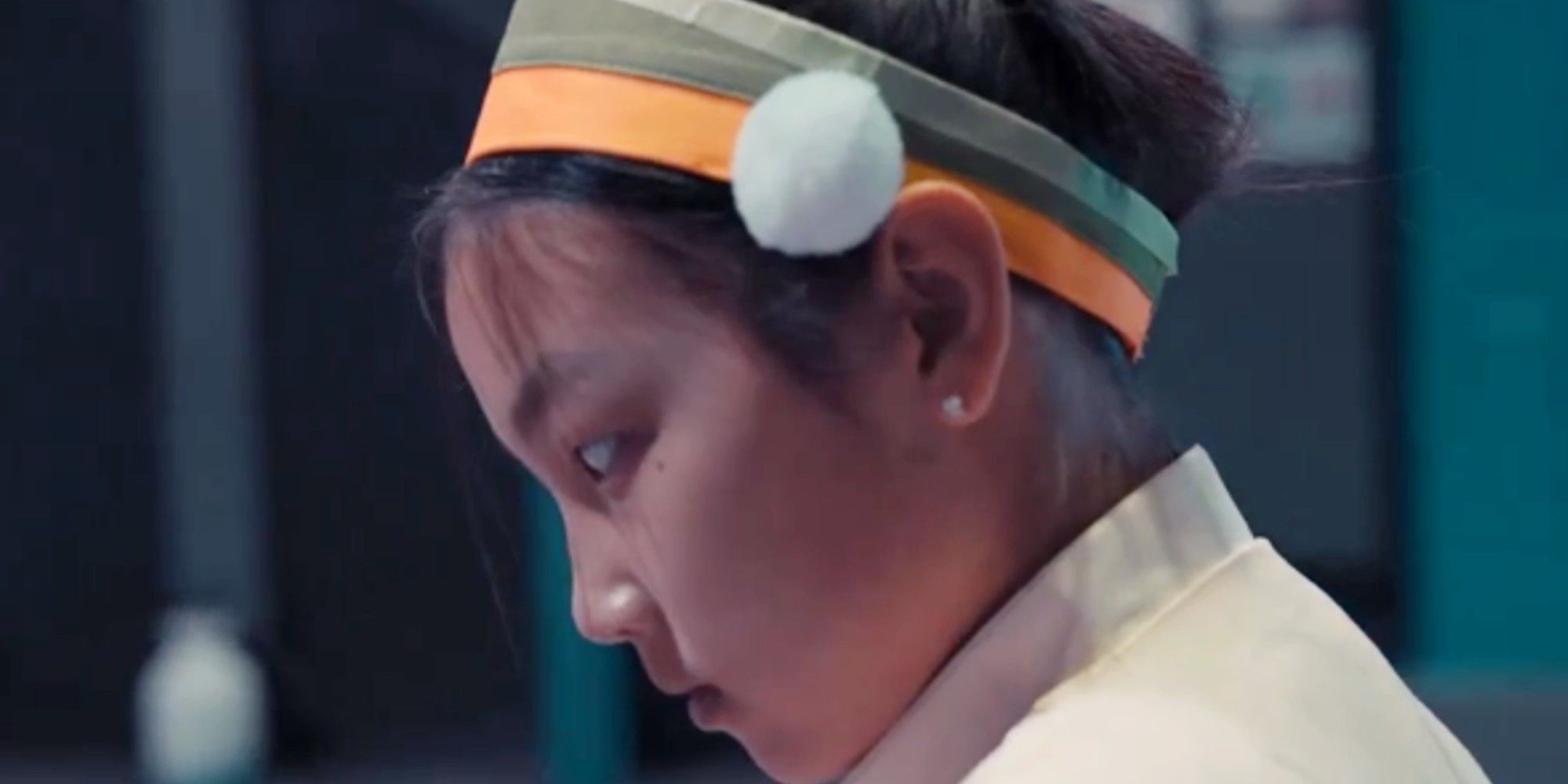
Ever had those days where you feel like a human doormat? Like, if you disappeared for five minutes, the only reason your family would notice is because the laundry isn't folded or the potatoes aren't mashed? That is the exact, soul-crushing starting point of I Will Live (Ya budu zhit), a 2022 Russian film directed by Eduard Bordukov that has been finding a second life on streaming lately.
It is dark. It's kinda mean. Honestly, it's exactly what a lot of burnt-out people need to see.
The movie follows Alla, played with a sort of weary, ticking-time-bomb energy by Evgeniya Dmitrieva. Alla is an English teacher who has spent her entire life serving everyone else. Her ex-husbands (yes, plural) still treat her like a personal bank and chef. Her kids are, frankly, pampered nightmares. The breaking point in the I Will Live movie happens during a family dinner where Alla literally starts choking on a potato, and her family is so self-absorbed they don't even look up from their phones.
She survives, but something in her snaps.
The "Big Lie" That Drives the Plot
Instead of just asking for a little respect—which we all know never works with selfish people—Alla decides to go nuclear. She fakes a terminal cancer diagnosis.
She doesn't do it for sympathy, though. Not really. She does it because she wants to see if these people are capable of becoming functional adults before she actually does die one day. It’s a messed-up social experiment.
What makes the I Will Live movie stand out from your typical "sick person" drama is that it refuses to be sentimental. Most movies about cancer are about "cherishing every moment" and "finding the beauty in life." This movie is about using a fake illness to gaslight your lazy kids into finally moving out. It’s cynical, and it’s hilarious in a "should I really be laughing at this?" kind of way.
Why People Are Finding It Now
The film originally hit the festival circuit and Russian theaters a couple of years ago, but it's been trending on international platforms recently because the "overwhelmed mother" trope is universal. We’ve all felt exploited.
Bordukov, the director, previously did On the Edge (a sports drama), so he knows how to handle high-stakes tension. Here, he applies that tension to a suburban kitchen. The stakes aren't a gold medal; they're just getting a grown man to wash his own dish for once.
There’s a specific scene where Alla attends a support group for actual cancer patients. You’d think the movie would treat this as the moment she realizes she’s being "bad" or "immoral." Instead, she listens to these people talk about how they only started living for themselves after the diagnosis. It’s her "aha!" moment. If death is the only thing that gives you permission to be selfish, then she’ll just play dead.
Breaking Down the Cast and Style
Evgeniya Dmitrieva is the reason this works. If the actress was too "villainous," you'd hate her for lying. If she was too "sweet," the comedy wouldn't land. She hits that perfect middle ground of a woman who has just run out of damns to give.
The supporting cast is filled with characters you’ll recognize from your own life, unfortunately:
- The son who thinks he’s an "entrepreneur" but just lives off his mom’s pension.
- The daughter who treats her mother like a free 24/7 nanny.
- The ex-husbands who still think they have a "claim" on her time.
Visually, the film isn't trying to be Oppenheimer. It’s bright, clinical, and slightly claustrophobic. It feels like a stage play sometimes, which only adds to the feeling that Alla is trapped in a domestic prison.
Is It Based on a True Story?
Basically, no. While many people search for the "real story" behind the I Will Live movie, it’s a fictional script. However, it feels "true" because the emotional core is so grounded in reality. The screenwriter, Anna Kozlova, has a knack for writing dialogue that feels like a slap in the face. It’s sharp, it’s fast, and it cuts through the fake "family values" that usually dominate this genre.
Some viewers confuse it with the 2022 British film Living starring Bill Nighy. While both involve a terminal diagnosis (real in Nighy's case, fake in Dmitrieva's) and a desire to change one's life, they are polar opposites in tone. Living is a gentle, heartbreaking hug. I Will Live is a glass of cold water to the face.
How to Actually Watch It
Finding this one can be a bit of a hunt depending on where you live. It’s cycled through various international streaming services and boutique film platforms like MUBI. If you’re looking for it, search for the Russian title Ya budu zhit if the English title doesn't pop up immediately.
What You Can Learn from Alla’s Madness
You don't have to fake a terminal illness to set boundaries. That’s the "actionable insight" here. Alla’s journey is an extreme cautionary tale about what happens when you let "being nice" become your only identity.
- Audit your emotional labor. Are you the only one in your circle doing the "hidden work"?
- The "Potato Test." If you stopped doing one major chore today, would anyone notice, or would they just complain that it's not done?
- Start small. You don't need a fake doctor's note to say "no" to a Sunday dinner that you have to cook, clean, and pay for.
The I Will Live movie ends on a note that is both liberating and a little bit scary. It reminds us that we are the ones who train people how to treat us. If you’ve spent twenty years training your family that you’re a servant, it’s going to take something drastic to retrain them. Maybe not "fake cancer" drastic, but definitely more than a polite "please."
Go find this movie. It’s a wild ride that makes you want to go home and delete your family group chat. And honestly? Sometimes that’s the healthiest thing you can do.
Pro-tip for viewers: Keep an eye on the background details in Alla's apartment. As she gets deeper into her lie, her environment starts to change. She stops cleaning. She starts buying things for herself. The visual shift from "cluttered family home" to "Alla's space" is one of the best subtle parts of the filmmaking.