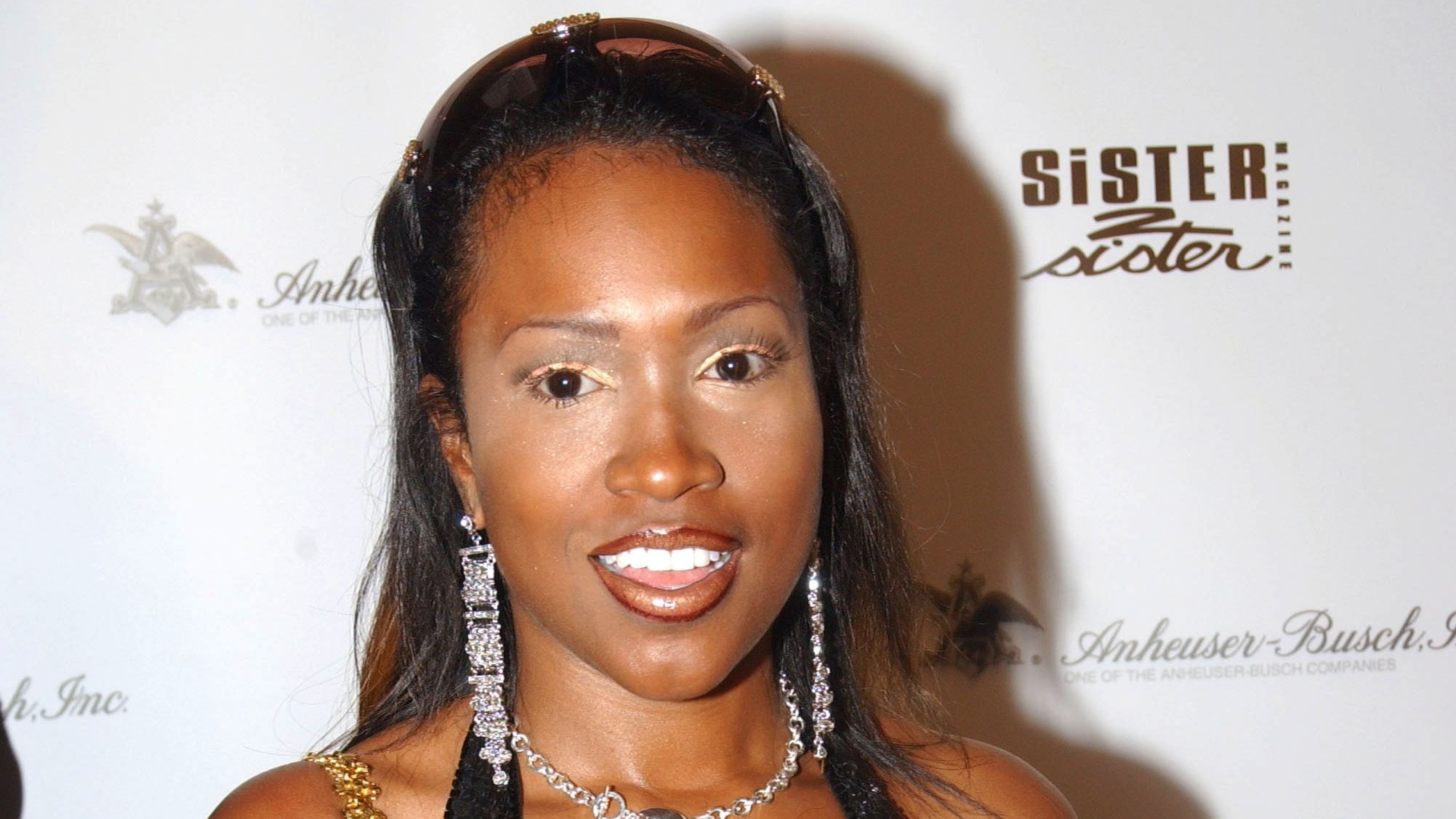
If you grew up in the 90s, you knew Maia Campbell. You didn't just know her; you probably had a bit of a crush on her or wanted to be her best friend. As Tiffany Warren on the hit sitcom In the House, she was the epitome of the "it girl"—vibrant, sharp, and possessing a natural screen presence that made her stand out even next to legends like LL Cool J and Debbie Allen.
But for years, the narrative around in the house actress maia campbell has been dominated by tragedy. If you search her name, you're usually met with distressing viral videos, headlines about "falls from grace," and a heavy focus on her struggles with addiction and mental health.
Honestly? That’s not the whole story. As we move into 2026, the conversation is finally shifting from what she lost to how she’s reclaiming her voice.
The Peak of the "In the House" Era
Maia wasn't just a lucky kid who landed a role. She was a trained talent. Born in Takoma Park, Maryland, and raised in Los Angeles, she came from a high-achieving family. Her mother was the late, legendary author Bebe Moore Campbell—a woman who spent her life advocating for mental health awareness in the Black community.
Before the sitcom fame, Maia was already putting in work. She appeared in John Singleton’s Poetic Justice (1993) as Lucky’s (Tupac Shakur) cousin and had a recurring gig on South Central. But In the House was the game changer.
From 1995 to 1999, she played Tiffany Warren. She was the "witty adolescent daughter," a role that earned her a Young Artist Award nomination in 1996. During this time, she was everywhere—guest starring on Sister, Sister, Moesha, and Beverly Hills, 90210. She was even a fixture in iconic music videos, appearing in Tyrese’s "Sweet Lady" and Fat Joe’s "What’s Luv?"
She had the world at her feet. But behind the scenes, the pressure was mounting.
The Diagnosis That Changed Everything
Here’s the part people often gloss over: the shift didn't happen overnight. It started around 1998, right while she was still filming In the House. After a series of incidents on set, Maia was diagnosed with bipolar disorder.
It’s easy for the public to judge from the outside, but imagine being 21, at the height of your fame, and being told your brain works differently. It’s heavy. For a long time, Maia struggled to accept the diagnosis and the medication that came with it.
The early 2000s were brutal for her. She lost custody of her daughter, Elisha, in 2001 because she wasn't in a place where she could provide a stable environment while managing her health. Then, in 2006, she lost her mother to brain cancer. Bebe Moore Campbell was Maia’s biggest advocate and protector. Without that anchor, things spiraled.
We saw the results of that spiral in 2009 and 2017 through those heartbreaking viral videos. People filmed her at her lowest points—struggling with drug addiction and acting erratically at gas stations. It was a dark time for fans who remembered the girl from the 90s. Even her former co-star LL Cool J tried to step in, famously tweeting for people to stop filming her and start helping.
The 2025/2026 Resurgence: A New Chapter
If you haven't checked in on Maia lately, you’ve missed the best part. In April 2025, Maia Campbell resurfaced on social media, and she looked... well, she looked like Maia again.
She posted photos with celebrity hairstylist Jayson Glenn, appearing radiant and healthy. This wasn't just a "good day" post; it was a statement. She followed it up with a video message that went viral for all the right reasons.
"Hey everybody! Thanks for checking in and wondering if I'm okay. I'm doing great! I just wanted you to know that."
She’s now actively campaigning for mental health awareness, carrying on her mother’s legacy. One of her biggest goals for 2026? She wants to see her mother’s New York Times bestseller, 72 Hour Hold, adapted into a film. The book is a fictionalized but deeply personal look at a mother trying to help her daughter through a mental health crisis. Maia has publicly expressed her wish to work with Tyler Perry to bring this story to life.
Why We Need to Stop the "Tragedy" Narrative
The problem with how we talk about in the house actress maia campbell is that we often treat her as a cautionary tale rather than a human being in recovery. Recovery isn't a straight line. It's messy. It involves setbacks, public mistakes, and long periods of silence.
What Maia is doing now is incredibly brave. She isn't hiding from her past; she's using it to fuel her advocacy. By focusing on 72 Hour Hold, she’s bridging the gap between her mother’s work and her own lived experience.
What You Can Do to Support the Legacy
If you're a fan of Maia Campbell and want to see her succeed, the best thing you can do isn't just "liking" a photo. It's about changing how we engage with celebrity mental health.
- Read the work: Pick up a copy of 72 Hour Hold by Bebe Moore Campbell. Understanding the literature helps you understand the nuance of Maia's journey.
- Advocate for July: July is Bebe Moore Campbell National Minority Mental Health Awareness Month. Use your platform to talk about the unique challenges Black women face regarding mental health and stigma.
- Respect the boundaries: If she’s quiet on social media, let her be. Recovery happens in the quiet moments, not just the "comeback" videos.
Maia Campbell is more than a 90s nostalgia trip. She’s a survivor. Whether she ever returns to a full-time acting schedule or spends her life behind the scenes as a producer and advocate, she has already proven that the "end" of the story hasn't been written yet.
Keep an eye out for updates on the 72 Hour Hold project. Supporting that film, if and when it happens, is the ultimate way to honor both Maia and the mother who never gave up on her.