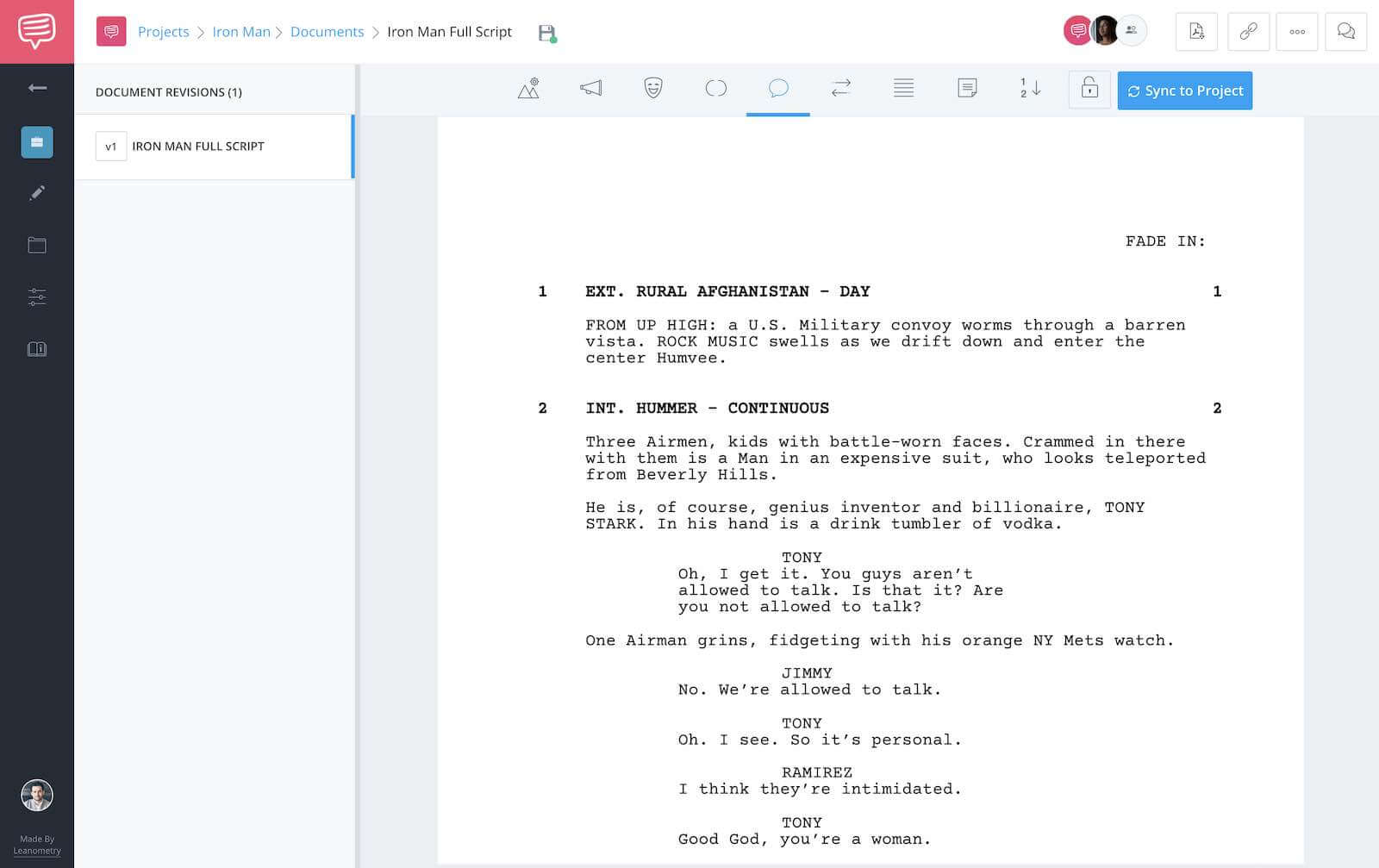
Let’s be real for a second. If you look at the Iron Man 2 movie script through the lens of a traditional screenwriting textbook, it’s kind of a disaster. It’s bloated. It’s twitchy. It feels like a movie trying to do four things at once while being poked in the ribs by a studio executive.
But here’s the thing: that beautiful, chaotic mess is exactly why the Marvel Cinematic Universe (MCU) didn't just fizzle out after one hit.
In 2010, the stakes were weirdly high. The first Iron Man was a fluke success that caught everyone off guard. For the sequel, Marvel didn't just want a "part two." They wanted a launchpad for an entire universe. This meant the script by Justin Theroux had to juggle Tony’s palladium poisoning, the introduction of Black Widow, the recasting of Rhodey, Nick Fury’s recruitment drive, and two separate villains.
It was a lot. Honestly, maybe too much.
The Script That Wasn't Really Finished
Most people don't realize that they started filming without a locked-down screenplay.
Imagine showing up to a $200 million set and not knowing exactly what you’re saying that day. That was the reality for Jon Favreau and Robert Downey Jr. They were essentially building the plane while flying it. Because the first movie relied so heavily on RDJ’s improv, the studio thought they could just "catch lightning in a bottle" again.
Justin Theroux, the guy who wrote Tropic Thunder, was brought in to pen the Iron Man 2 movie script. He’s gone on record saying the process was brutal. He actually suffered from severe back pain just from the sheer stress of trying to please so many masters.
What got cut?
A lot of the "good stuff" actually ended up on the cutting room floor. If you track down the original drafts or deleted scenes, you'll find a much darker version of Tony Stark.
- The Vomit Opening: The movie originally started with Tony puking into a toilet because the palladium in his chest was killing him. It was gritty. It showed he was terrified. Instead, we got the high-flying Stark Expo entrance.
- The "Demon in a Bottle" Lite: Fans of the comics wanted the full alcoholism storyline. The script touched on it—the drunk birthday party scene is still there—but Disney/Marvel pulled the reins. They didn't want their toy-selling hero to be a "Leaving Las Vegas" style wreck.
- The Vanko/Hammer Dynamic: In the script, Mickey Rourke’s Ivan Vanko was supposed to be way more intellectual. Rourke famously hated that most of his layered performance was edited out, leaving him as a "one-dimensional" Russian guy who just wanted his bird.
Why the Dialogue Still Hits
Even with the structural issues, the Iron Man 2 movie script contains some of the best "Stark-isms" in the franchise. Think about the Senate hearing. That wasn't just action; it was a verbal sparring match.
"I have privatized world peace."
That line defines Tony Stark more than any CGI suit ever could. It’s arrogant, brilliant, and perfectly captures the post-9/11 "tech billionaire as savior" vibe the movie was going for.
The chemistry between Downey Jr. and Gwyneth Paltrow (Pepper Potts) also carries the heavy lifting. Their banter feels lived-in. It’s fast. You’ve got to pay attention or you’ll miss the subtext. That’s the secret sauce of the early MCU scripts—they felt like screwball comedies dressed up in titanium alloy.
The "Black Widow Problem"
One of the biggest criticisms of the script is how it handles Natasha Romanoff. She’s introduced as "Natalie Rushman," a legal assistant who is basically there to look good and kick a little ass in the third act.
Looking back, her role in this specific script feels a bit like an 11th-hour insertion. She’s a "S.H.I.E.L.D. representative" first and a character second. While Scarlett Johansson made it work, the writing for her here is definitely a product of its time—a bit hyper-sexualized and purely functional for the plot.
How to Study the Script for Your Own Writing
If you're a budding screenwriter or a film nerd, analyzing the Iron Man 2 movie script is a masterclass in "managing the middle."
Second acts are notoriously hard. You have to keep the momentum going while setting up the finale. This script does it by using Tony’s mortality as a ticking clock. Every time the S.H.I.E.L.D. stuff gets boring, we see the dark veins crawling up Tony’s neck. It keeps the stakes personal.
Actionable Takeaways from the Development of Iron Man 2:
- Character over Plot: If people love your lead (Tony), they’ll forgive a messy plot (the element-discovery montage).
- Villain Mirroring: Justin Hammer is "Tony Stark without the talent." Ivan Vanko is "Tony Stark without the resources." This "mirror" technique is a classic scriptwriting trope for a reason.
- The Power of the Quip: Never underestimate a good one-liner to diffuse a scene that's getting too bogged down in "lore" or "world-building."
To really understand how this movie was built, you should compare the theatrical release to the official shooting script. You'll see how much the actors changed on the fly. It teaches you that a script is a living document, not a set of holy commandments.
If you want to dive deeper, I'd recommend looking up the "Salmon Edition" of the script. It’s one of the later revisions that shows just how many "cooks" were in the kitchen by the time they reached the finish line.
Keep an eye on the subtext of the Howard Stark scenes, too. That’s where the real emotional heart of the script lies—a son trying to earn the approval of a dead father who never knew how to say "I love you." That’s the kind of writing that keeps us coming back to these movies years later, long after the CGI has started to look dated.
Next Steps for Fans and Writers
- Watch the deleted scenes: Specifically the alternate opening and the extended Senate testimony. It changes the tone of the movie entirely.
- Read the script alongside the film: Notice where Robert Downey Jr. ignores the written dialogue. It’s a great way to learn how to write for specific actors.
- Analyze the pacing: Break the movie into 10-minute chunks. Notice how the script pivots between "Stark's Health," "The Government," and "The Villains" to keep you from getting bored.