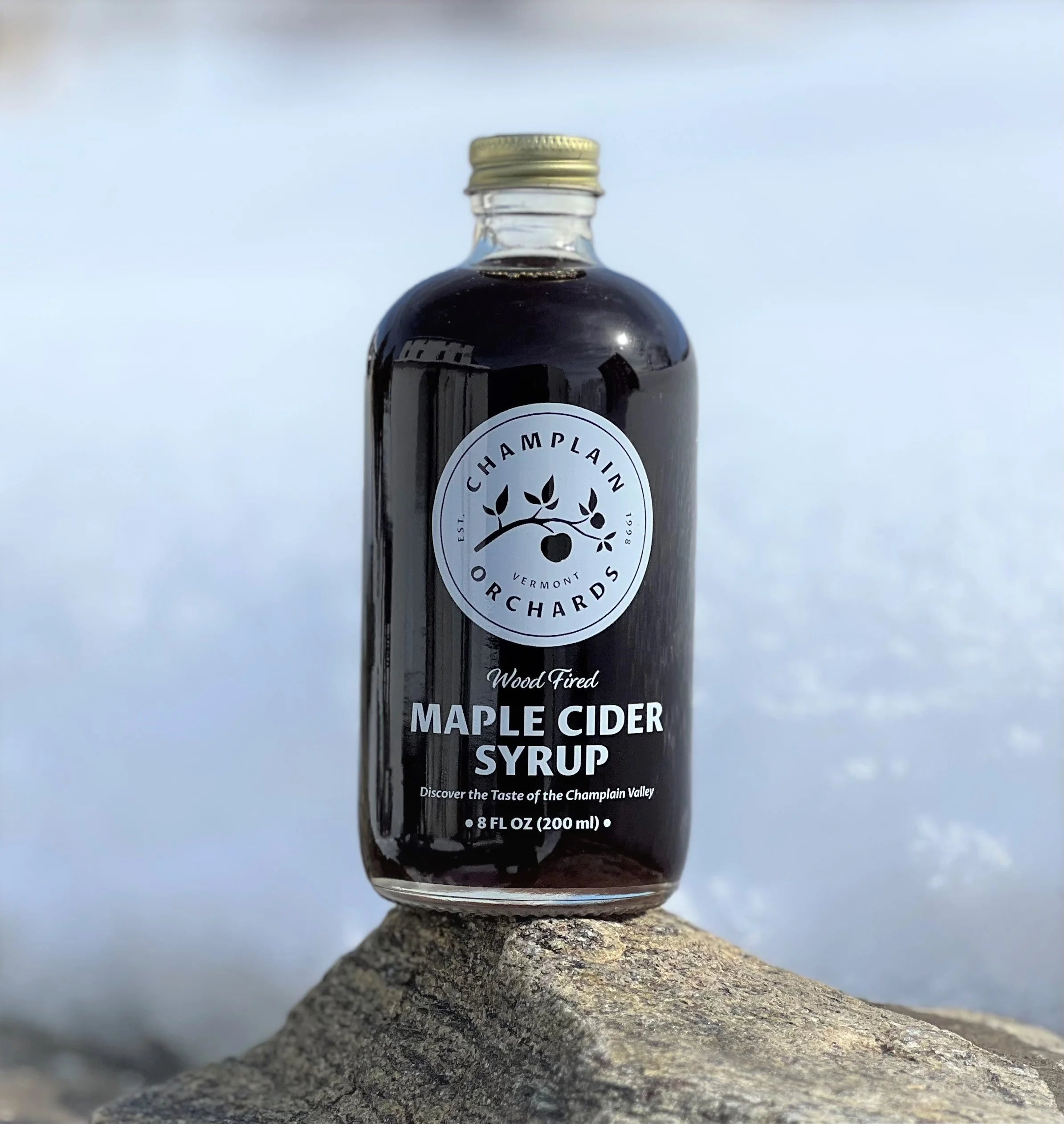
You’re standing in the grocery store aisle, looking at a glass jug of cloudy brown liquid labeled "cider." Three aisles over, there’s a six-pack of crisp cans also labeled "cider." It’s confusing. Most people asking is cider alcoholic drink are usually caught between the American definition and the way the rest of the world views this fermented apple juice.
The short answer? It depends on where you are and what’s in the bottle.
If you’re in the UK, France, or Australia, cider is always alcoholic. Period. If you’re in a Vermont orchard in October, you’re likely holding a non-alcoholic, unfiltered juice. But for the vast majority of the globe—and for anyone browsing the liquor store—cider is very much an alcoholic beverage created through the fermentation of fruit juice.
The messy truth about the word cider
Language is weird. In the United States and parts of Canada, "cider" is a bit of a double agent. You have "sweet cider," which is basically just raw, unfiltered apple juice that hasn't been fermented. It’s opaque, it’s sweet, and kids drink it at pumpkin patches. Then you have "hard cider."
Hard cider is the alcoholic version.
Outside of North America, they don't bother with the "hard" prefix. To a Brit or a Spaniard, cider is an adult beverage by default. If it doesn't have a kick, they just call it apple juice. This distinction matters because the production process for the alcoholic version is much closer to winemaking than it is to brewing beer.
How the alcohol actually gets in there
It’s chemistry, but honestly, it feels like magic. To turn fruit juice into an alcoholic drink, you need yeast. These tiny organisms eat the natural sugars in the apple juice and poop out ethanol and carbon dioxide.
Some traditional cidermakers, especially in regions like Asturias in Spain or Normandy in France, rely on "wild fermentation." They don't add yeast at all. Instead, they let the natural yeast living on the apple skins do the heavy lifting. This usually results in a funkier, more complex flavor profile. Mass-market brands like Angry Orchard or Strongbow usually use cultured champagne or wine yeasts to keep the flavor consistent.
Is cider alcoholic drink or just fancy juice?
When we talk about alcohol content, cider sits in a specific niche. Most commercial ciders hover between 4.5% and 7% ABV (Alcohol by Volume). This puts it right in the same neighborhood as a standard lager.
However, don't let those numbers fool you.
Artisanal ciders can easily climb to 10% or 12% ABV, especially if they are "scrumpy" style or vintage-aged. Then you have ice cider. This is a dessert-style drink where the juice is frozen to concentrate the sugars before fermentation. It can reach 13% to 15% ABV, basically hitting wine levels.
- Standard Draft Cider: 4% - 6% ABV
- Dry Craft Ciders: 6% - 9% ABV
- Apple Wine/Ice Cider: 10% - 15% ABV
It’s definitely not "just juice." If you’re drinking a pint of cider, you’re consuming roughly the same amount of alcohol as a pint of beer. The sugar content can sometimes mask the alcohol, making it go down a little too easy. Be careful with that.
Why people think it’s "healthier" than beer
There is a huge trend right now of people switching from beer to cider. Why? Usually, it's about the gut. Cider is naturally gluten-free. Since it’s made from fermented fruit instead of grains like barley or wheat, it’s the go-to choice for people with Celiac disease or gluten sensitivities.
But is it "healthy"?
Cider contains polyphenols and antioxidants from the apples. A study from the University of Glasgow actually suggested that some ciders have high levels of phenolics, which can help protect against heart disease. But let’s be real: it’s still alcohol. It’s also often packed with sugar. If you’re drinking a sweet, mass-produced cider, you might be consuming more calories than you would in a heavy IPA.
If you want the "healthiest" version, you have to go dry. "Dry" means the yeast has eaten almost all the sugar. It’ll taste less like a Jolly Rancher and more like a crisp, tart Sauvignon Blanc.
The sugar trap
Honestly, the sugar in some commercial ciders is wild. Some brands add "back-sweetening" agents or apple juice concentrate after fermentation to make it more palatable to the soda-drinking masses. If you’re watching your insulin levels or trying to avoid a massive hangover (sugar makes hangovers worse, trust me), look for "Low Sugar" or "Traditional Dry" on the label.
Regional styles: Not all cider is created equal
If you think all cider tastes like fermented apple soda, you haven't explored the map. The geography changes everything.
The United Kingdom
They drink more cider than anyone else. Here, it’s often served flat or lightly carbonated. In the West Country, you’ll find "Scrumpy." It’s often cloudy, still, and incredibly potent. It’s the kind of drink that makes you forget your own name after two glasses.
France (Normandy and Brittany)
French cidre is elegant. It’s often bottled like champagne with a cork and cage. It tends to be lower in alcohol (2% to 5%) and has a very specific "barnyard" aroma. It sounds gross, but it’s actually delicious and earthy.
Spain (Asturias and Basque Country)
This stuff is an experience. Sidra Natural is tart, acetic (vinegar-like), and has no bubbles. To give it "life," bartenders pour it from high above their heads into a glass held at their waist. This aerates the drink. You’re supposed to drink the small "sip" immediately before the bubbles die.
United States
The US craft scene is exploding. We’re seeing "hopped" ciders (cider infused with beer hops), ciders aged in bourbon barrels, and even "rosé" ciders made with red-fleshed apples or added berries.
Common misconceptions about cider
I hear this a lot: "Cider is a girl's drink."
That’s honestly just weird marketing leftover from the 90s. Historically, cider was the drink of the working man. In the 14th century, children were sometimes baptized in cider because it was cleaner than the water. During the American Colonial era, it was more popular than beer because apples were easier to grow than barley. John Adams reportedly drank a tankard of cider every morning to settle his stomach.
Another big myth: "Cider gives you a worse hangover."
This is only true if you’re drinking the cheap stuff loaded with artificial sweeteners and preservatives. High-quality, fermented-dry cider is actually quite clean. The tannins in the apple skins can be a bit tough if you're sensitive to them—similar to red wine—but generally, it's the sugar in the "sweet" versions that causes the next-day headache.
How to tell if your cider is alcoholic
If you're at a store, look for the ABV percentage on the label. In the United States, if a bottle just says "Cider" and it’s in the refrigerated juice section near the milk, it’s likely non-alcoholic. If it’s in the beer aisle, it’s alcoholic.
Legally, in many jurisdictions, if a drink contains more than 0.5% alcohol, it must be labeled as an alcoholic beverage.
The "Sparkling Cider" confusion
You’ve probably seen Martinelli’s at New Year’s Eve parties. It’s in a champagne-style bottle, it’s bubbly, and it’s delicious. But Martinelli’s is not alcoholic. It’s just carbonated apple juice. It’s the "kid beer" of the holiday world. Always check for that "Hard" or "Alcoholic" keyword if you’re looking for a buzz.
How to enjoy cider like an expert
If you want to actually taste the nuances in an alcoholic cider, don't drink it ice-cold. When a drink is freezing, it numbs your taste buds. You miss the floral notes and the earthy finish.
- Glassware matters: Use a white wine glass or a flute. It helps concentrate the aromas.
- Temperature: Aim for about 50-55 degrees Fahrenheit (10-13 Celsius).
- Food Pairing: Cider is arguably the most food-friendly drink on the planet. It cuts through the fat of pork chops, complements the creaminess of Camembert cheese, and balances the spice of Thai curry perfectly.
Real-world evidence: Why the market is shifting
According to data from Grand View Research, the global cider market is expected to keep growing significantly through 2030. This isn't just a fad. People are moving away from heavy, grain-based spirits and beers toward "orchard-to-glass" products. There is a transparency in cider production that appeals to the modern consumer. You know exactly where the apples came from.
In places like the Pacific Northwest or the Finger Lakes in New York, cideries are becoming as common as wineries. They are treating the apple varieties—like Kingston Black, Dabinett, or Roxbury Russet—with the same reverence winemakers treat Cabernet or Merlot.
Take action: How to choose your first "real" cider
If you’re ready to move past the question of is cider alcoholic drink and actually want to explore the category, here is how you do it without ending up with a sugar headache.
Start by visiting a local liquor store that has a "craft" section. Skip the big-name brands that you see advertised on TV. Instead, look for a bottle that lists the specific apple varieties used. If the label says "Dry" or "Off-Dry," grab that.
Check the sediment. If there’s a little bit of cloudiness at the bottom of the bottle, don't be scared. That’s usually a sign of a natural, unfiltered product that hasn't been stripped of its flavor by heavy processing.
Finally, check the origin. If you’re in the US, look for ciders from New York, Michigan, or Washington. If you're looking for an import, a French cidre from Normandy is a great gateway into the more "serious" side of the drink. It’s bubbly, slightly sweet, but has enough complexity to show you why this drink has been around for over 2,000 years.
Cider is a bridge. It sits right between the approachability of beer and the sophistication of wine. Just remember to check that ABV label—because while it might taste like juice, it definitely doesn't act like it once it hits your bloodstream.
Key takeaways for your next purchase
- Check the ABV: Anything over 0.5% is legally alcoholic; most fall between 4.5% and 7%.
- Look for "Hard": In North America, this is the surefire way to distinguish it from juice.
- Prioritize "Dry": You'll get more apple flavor and less sugar-induced regret.
- Gluten-Free: It is almost always a safe bet for those avoiding gluten, but always check for "cross-contamination" warnings on smaller craft labels.
The world of cider is vast, old, and surprisingly complex. It is a fermented fruit beverage with deep historical roots and a very modern appeal. Whether you call it hard cider, cidre, or sidra, it is one of the oldest alcoholic drinks known to man, and it’s far more than just "apple beer."