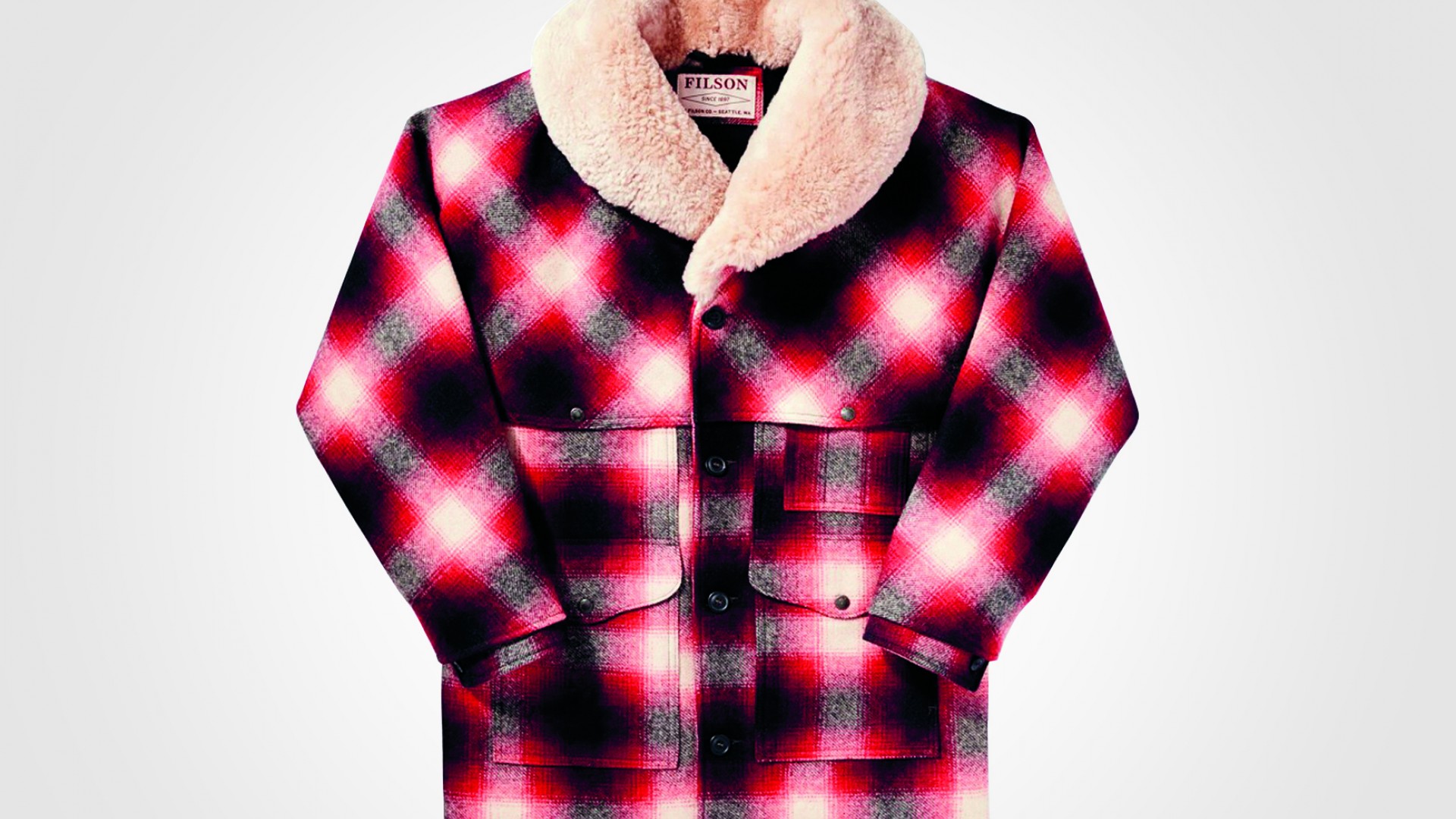
You’ve probably seen the guys in the airport or at the coffee shop wearing that one specific, heavy-duty waxed jacket that looks like it’s been through a war zone. Or maybe it’s the rugged twill briefcase that costs more than some people's car payments. For decades, the answer to is filson a good brand was a resounding "yes" followed by a story about a grandfather’s coat that’s still going strong after 40 years.
But honestly? Things have gotten complicated lately.
If you’re looking at a $700 wool coat, you want to know if you’re buying a piece of history or just a very expensive logo. The truth is somewhere in the middle. Filson has gone through some massive shifts in the last few years—moving production, changing leadership, and leaning hard into the "lifestyle" market. Some people say the brand is dead. Others say it’s better than ever because it’s finally accessible. Let’s cut through the marketing fluff and look at what’s actually happening in 2026.
The "Made in USA" Identity Crisis
For over a century, Filson’s entire identity was "Might as well have the best," and that "best" was almost always stitched in Seattle. That’s changed. If you browse their catalog today, you’ll notice a lot of items are now labeled "Imported."
According to recent manufacturing data, only about 20% of their lineup is still strictly Made in the USA. The rest? You’re looking at Bangladesh, Vietnam, Sri Lanka, and Italy.
This is the big sticking point for the old-school fans. There’s this feeling that when a brand moves production to Vietnam but keeps the Seattle price tag, they’re cashing in on a reputation they aren’t earning anymore. There have even been some reports—honestly pretty embarrassing ones—of jackets coming out of Vietnam with sleeves sewn on backward or wonky stitching that would have never passed QC in the old days.
However, it’s not all doom and gloom.
The core "Heritage" items—the stuff that actually made them famous—are mostly still produced domestically. We're talking about the Mackinaw Wool Cruiser and the Rugged Twill Bags. If you stick to those, you’re usually getting the "real" Filson experience. If you’re buying a t-shirt or a polyester-blend hoodie? You’re basically paying for the name.
The Heavy Hitters: What Still Wins
When people ask is filson a good brand, they are usually thinking of two specific materials: Mackinaw Wool and Tin Cloth. These are the gold standards.
The Mackinaw Wool Cruiser
This jacket is basically a tank you can wear. It’s 24-ounce virgin wool, which is incredibly thick. It’s naturally water-repellent, fire-resistant, and it breathes surprisingly well. In a world of plastic-y "tech-wear" that rips if you look at it wrong, the Cruiser is refreshing. It’s one of the few pieces that justifies the $600+ price tag because it legitimately lasts forever. You don't wash it; you just brush the dirt off and maybe dry clean it once a decade if it starts to smell like a wet dog.
Tin Cloth (The Waxed Beast)
Then there’s Tin Cloth. If you’ve never touched it, it feels like a piece of plywood when you first buy it. It’s cotton duck canvas soaked in a paraffin wax and oil mixture. It is stiff. It is greasy. It smells like a garage.
But it’s also virtually indestructible.
I’ve seen guys use Tin Cloth jackets to walk through thick blackberry briars that would shredded a $1,000 Gore-Tex shell. It develops a "patina"—which is just a fancy way of saying it gets darker and shinier in the spots where you move—and eventually, it fits your body like a second skin.
The Quality vs. Fashion Tug-of-War
Filson is owned by Bedrock Manufacturing Company (the same folks behind Shinola). Since the buyout, they’ve clearly tried to turn Filson into a "lifestyle" brand. You’ve probably noticed they have way more "fashion" pieces now—graphic tees, lightweight hoodies, and women’s collections that look more like they belong on a runway than in a lumber camp.
This is where the brand gets a bad rap.
The "fashion" side of the brand is where the quality dips. The sizing has become notoriously "whacky." You might be a Medium in a wool vest but need an Extra Large in a flannel shirt made in Sri Lanka. It’s frustrating. If you’re a guy who actually works outdoors, you’ll find the newer, slimmer cuts a bit restrictive. There aren't enough gussets under the arms for real movement. It’s built for looking like you own a chainsaw, not necessarily for using one.
The Warranty Situation
One thing that used to make Filson a "buy it for life" brand was their Unfailing Guarantee. It used to be: if it breaks, we fix it. Period.
As of 2026, the warranty is a bit more nuanced. They still stand behind "defects in materials and workmanship" for the lifetime of the product. But they’ve gotten a lot stricter about what "normal wear and tear" means. If you wear out the cuffs of your jacket after ten years of hard work, they might charge you for the repair or tell you it’s reached the end of its "functional life."
It's still better than 90% of other brands, but it's not the "blank check" for repairs it used to be. Customer service reviews on sites like Trustpilot have taken a hit lately, with people complaining about 4-6 week wait times for repairs and difficulty getting a hold of a human being.
Is It Still Worth the Money?
So, is filson a good brand or just a ghost of its former self?
It depends on what you buy. If you are looking for a status symbol that looks cool at a bar, there are cheaper ways to do it. But if you want gear that can actually take a beating, Filson still has a few "holy grail" items that no one else has quite matched.
Here is the "insider" way to shop Filson in 2026:
- Stick to the Classics: If it’s made of Mackinaw Wool or Rugged Twill, it’s usually worth it. These are the items that built the brand and the ones they still care about most.
- Check the Tag: Before you buy, look for "Made in USA." If it's imported, really ask yourself if you’re okay paying $200 for a flannel shirt made in a factory that produces 10 other brands.
- Buy Used: Because this stuff lasts so long, the secondary market on eBay or Reddit is gold. A 10-year-old "Made in Seattle" Filson jacket is often better quality than a brand-new one.
- Wait for the Sales: Filson used to never do sales. Now, they have them fairly often. If you can snag a Cruiser for $400 instead of $700, the value proposition changes completely.
- Understand the Break-in: Don't buy Tin Cloth and expect to be comfortable on day one. It takes a year of wear before it stops feeling like you're wearing a suit of armor.
What to Do Next
If you're ready to pull the trigger, don't just order your usual size. Filson "Heritage" fits are notoriously oversized (they’re built for layering). Most guys have to size down at least one full size. If you're looking for your first piece, the Rugged Twill Briefcase or the Mackinaw Wool Vest are the safest bets—they have fewer sizing issues and the highest "keep forever" potential. Just be prepared to fight off the moths if you go the wool route; they love Filson as much as we do.
For those looking to save some cash without sacrificing the "Made in USA" ethos, look into brands like Dehen 1920 or Northwest Woolen Mills. They often use the same caliber of materials but without the heavy marketing markup. But let's be real—sometimes, you just want that Filson tag. If you choose wisely, it'll still be the last jacket you ever have to buy.