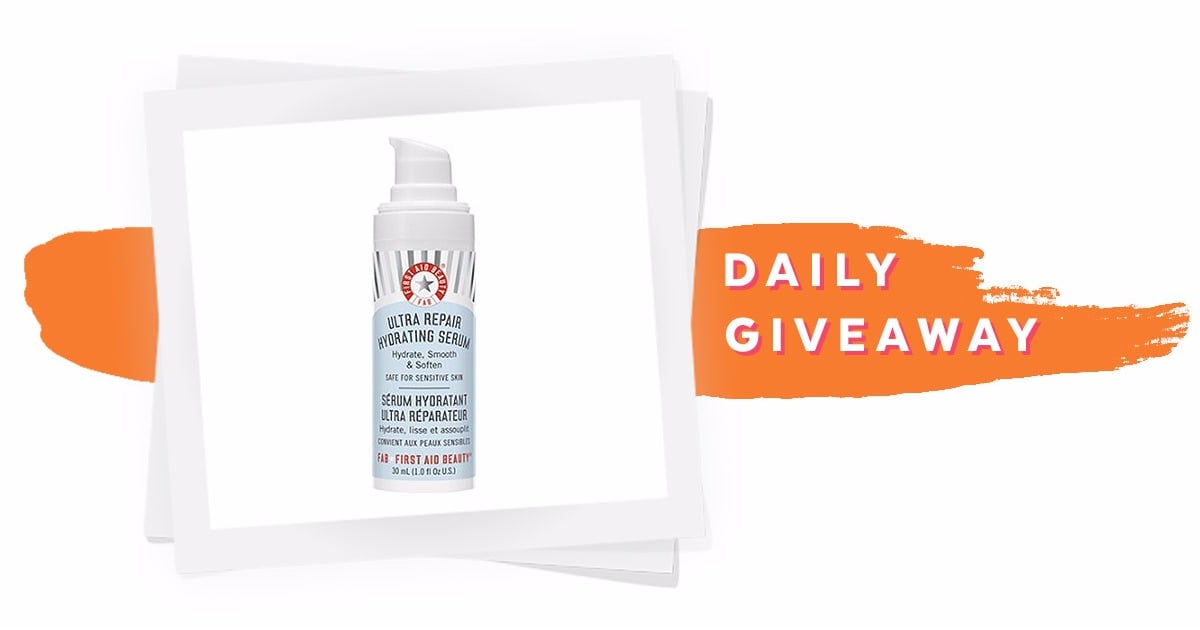
You know that feeling when your skin just feels tight? Not "snatched" or "lifted" in a good way, but actually thirsty. Like you could drink a gallon of water and your face would still feel like a crisp autumn leaf. It’s annoying. I’ve spent way too much money on serums that promise a "glass skin" finish but end up leaving me sticky or, worse, breaking me out because they’re loaded with fragrance. That’s why the First Aid Beauty Ultra Repair Hydrating Serum usually enters the conversation. It isn't flashy. It doesn't have a neon pink bottle or a scent that reminds you of a tropical vacation. It basically looks like something you’d find in a pharmacy in 1994.
But honestly? That’s kind of the point.
The First Aid Beauty Ultra Repair Hydrating Serum is designed for people whose skin is throwing a literal tantrum. We’re talking redness, flaking, and that dullness that makes you look like you haven't slept since the Obama administration. It’s a water-based treatment. No oil. No silicone. It’s a lightweight gel that aims to do one thing: get moisture into your dermis without causing a scene.
What’s actually inside this bottle?
If you look at the ingredient list, it’s not a mile long. That’s a good sign for sensitive types. The heavy lifter here is Hyaluronic Acid. Now, everyone and their mother is putting hyaluronic acid in skincare these days. It’s become a buzzword that’s almost lost its meaning. But the science remains solid—it's a humectant that can hold a massive amount of its weight in water.
First Aid Beauty uses it alongside Colloidal Oatmeal. If you grew up with eczema or ever had chickenpox, you probably remember oatmeal baths. It’s a classic for a reason. The FDA actually recognizes colloidal oatmeal as a skin protectant. It helps soothe the itch and the "burn" that comes with a compromised skin barrier. Then you have Aloe Leaf Juice and Collagen.
Wait. Let's talk about the collagen for a second.
Some brands try to tell you that rubbing collagen on your face will replace the collagen you lose as you age. That’s mostly nonsense. Collagen molecules are generally too big to penetrate deep into the skin to actually "rebuild" your structure. However, in a serum like this, it acts as a fantastic film-former. It helps hold moisture on the surface, making your skin look plumper and smoother immediately. It’s a cosmetic win, even if it’s not a biological miracle.
The texture is weird (in a good way)
Most hydrating serums feel like snot. Let's be real. They are slippery, gooey, and take forever to sink in. This one is different. It’s a thin, clear gel. You pump it out, and it almost feels like it turns into water the second it hits your warmth.
It disappears.
I’ve found that if you have oily skin, you might actually be able to use this as your only moisturizer in the summer. If you’re dry, you’re going to need to layer a cream over it. It’s a "linker" product. It bridges the gap between your cleanser and your heavy moisturizer. If you apply it to damp skin—and this is a pro tip—it works twice as well. Hyaluronic acid needs moisture to grab onto. If you put it on bone-dry skin in a dry room, it might actually start pulling moisture out of your skin. Don't do that.
Why do people keep buying it?
The market is saturated. You can go to Target and find ten serums for under fifteen dollars. So why pay more for First Aid Beauty?
It's the safety net.
The brand was founded by Lilli Gordon back in 2009 because she was tired of products that were either "effective but clinical" or "luxurious but irritating." This serum is the middle ground. It is "clean" by most modern standards—no parabens, no artificial fragrance, no sulfates. For someone with rosacea or perioral dermatitis, those things aren't just preferences; they are requirements.
I’ve seen people use this while on Accutane. If you know anything about Accutane, you know it turns your face into a desert. This serum helps mitigate that "cracking" feeling. It also plays well with others. You can mix it with a vitamin C serum in the morning or put it under a retinol at night to act as a buffer.
The First Aid Beauty Ultra Repair Hydrating Serum vs. The Competition
Let's look at the alternatives. You have the cult favorites like The Ordinary Hyaluronic Acid 2% + B5. That one is dirt cheap. But it pilled. It creates those little white flakes if you try to put makeup over it. The FAB serum doesn't do that. It’s formulated with better "slip" agents that play nice with foundation.
Then you have high-end stuff like SkinCeuticals Hydrating B5 Gel. That stuff is amazing, but it costs a fortune. Is the First Aid Beauty version just as good? Honestly, it’s about 85% of the way there for a fraction of the cost. You’re getting the hydration without the "prestige" tax.
What nobody tells you about the packaging
The pump is great. It’s airtight. This matters because ingredients like Licorice Root extract—which is in here to help brighten skin—can degrade when exposed to air and light. A lot of serums come in dropper bottles. Every time you open that dropper, you're exposing the formula to oxygen and bacteria. The FAB pump keeps everything stable.
However, because the bottle is opaque, you never know when you’re about to run out. You’ll just be pumping away one morning and... nothing. It’s a minor annoyance, but it’s something to keep in mind if you’re planning a trip and need to know if you have enough left.
Is it a miracle worker for wrinkles?
No. Let's be honest. If you have deep-set wrinkles, a hydrating serum isn't going to erase them. What it will do is plump up the fine lines caused by dehydration. There is a massive difference between a wrinkle and a dehydration line. If you’re 25 and think you have "crow's feet," you probably just need more water in your skin. This serum fixes that. It makes the skin look "bouncy."
The "Slightly Annoying" Factors
Nothing is perfect. The First Aid Beauty Ultra Repair Hydrating Serum is great, but it’s light. If you have extremely flaky, peeling skin from a chemical burn or a harsh winter, this won't be enough on its own. You'll feel it sink in and then your skin will ask for more five minutes later.
Also, the price point. It sits in that "mid-range" category. It’s not a budget buy, but it’s not La Mer. Some people find the price a bit steep for what is essentially a very high-quality water gel. But if you’ve ever had a reaction to a cheap serum that left your face red and itchy for a week, you realize that paying for a safe, tested formula is worth it.
Real-world results
I talked to a friend who has "everything-hurts" skin. She’s the type who turns red if she even looks at a scented candle. She’s been using this for six months. Her take? It didn't transform her face into a filter, but she stopped peeling around her nose. That’s a win.
Most users report a "cooling" sensation upon application. This isn't from menthol (which is irritating). It's just the high water content and the aloe. If you keep the bottle in the fridge, it’s a godsend for morning puffiness.
How to use it for maximum impact
- Cleanse gently. Use a non-foaming cleanser.
- Leave your skin damp. Don't towel dry completely.
- Apply 1-2 pumps. Press it into the skin rather than rubbing it vigorously.
- Wait 30 seconds. Let it "tack" down.
- Seal it in. Use a moisturizer like the Ultra Repair Cream or whatever you prefer. This step is non-negotiable. If you don't seal it, the hydration will evaporate.
The Verdict
The First Aid Beauty Ultra Repair Hydrating Serum is the "boring" workhorse of the skincare world. It’s the white t-shirt of your routine. It doesn't make bold claims about reversing 20 years of sun damage in two weeks. It just promises to hydrate and soothe without making things worse.
If your skin is oily but dehydrated (yes, that’s a thing), this is your holy grail. If your skin is sensitive and everything else breaks you out, this is your safe haven.
Next Steps for Your Skin
- Check your current routine for drying alcohols (like Alcohol Denat) which might be working against your serum.
- Test the "Damp Skin" method tomorrow morning; it’s the easiest way to see if your products are actually working.
- Audit your "actives"—if you’re using too many acids or retinols, swap them for this serum for three days to let your barrier reset.
The goal isn't to have a 12-step routine that takes an hour. The goal is to have skin that doesn't feel like it's two sizes too small for your face. This serum is a very solid way to get there.