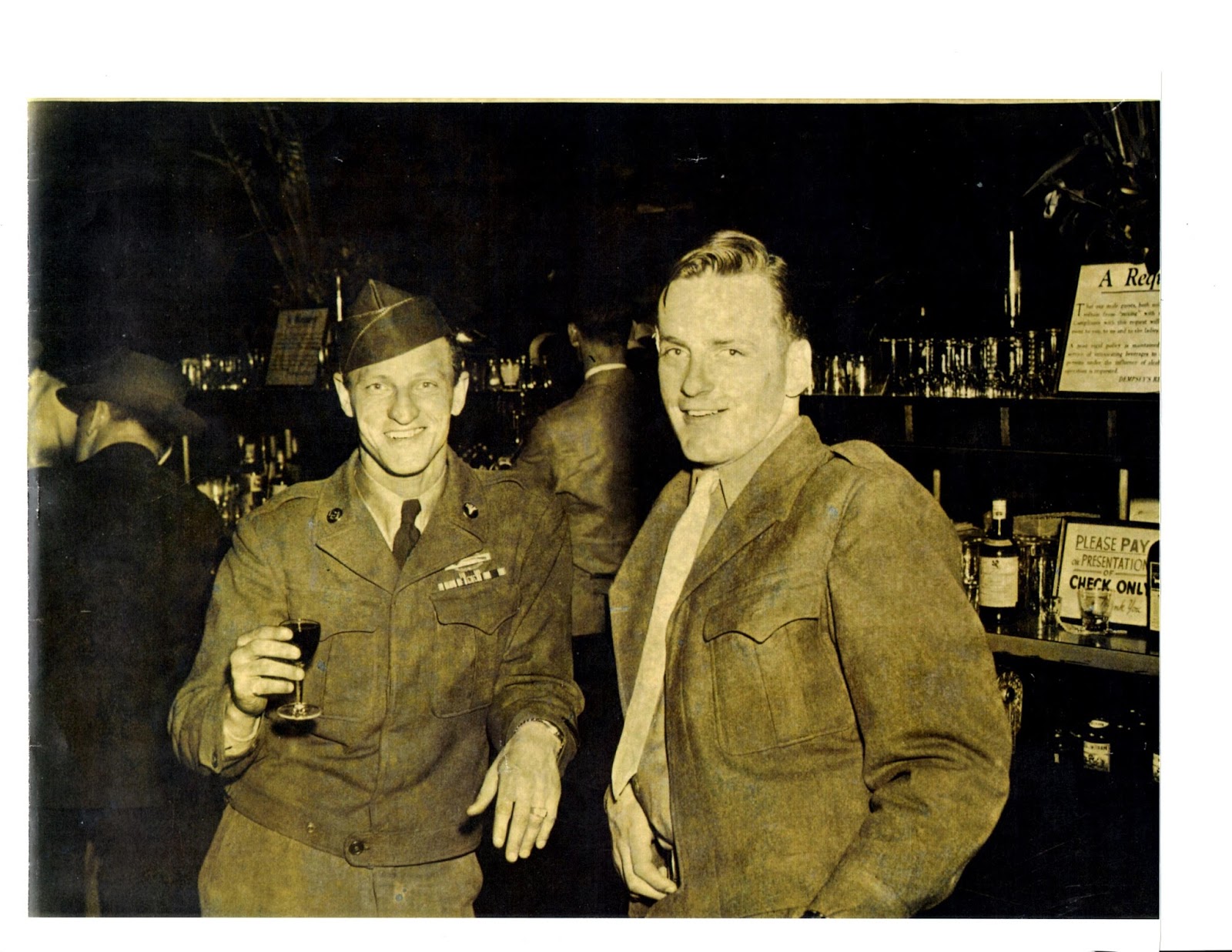
You’re walking up Broadway, past the neon hum of modern Times Square, and you’re probably looking for a place that hasn't been there for fifty years. People still talk about it like they were there last Tuesday. Jack Dempseys Bar NYC wasn’t just a spot to grab a drink; it was the unofficial living room of Manhattan’s toughest era.
Honestly, it's kinda wild how many people still try to find the address. They expect to see the "Manassa Mauler" himself sitting in the corner booth, greeting tourists and mobsters alike. But the doors locked for the last time in 1974. If you go to the Brill Building today, you’ll find plenty of history, but you won't find Jack.
Why Everyone Still Searches for Jack Dempseys Bar NYC
The obsession is real. Maybe it’s because the place was a literal movie set. If you’ve seen The Godfather, you’ve seen the exterior. Michael Corleone gets picked up right in front of the joint before he goes to do his "business" in the Bronx. That one shot cemented the bar in the global subconscious forever.
But for locals back then, it was just where you went.
Jack Dempsey wasn't some absentee owner who just put his name on the lease and moved to Florida. He was there. Every night. He sat in that corner booth with his back to the window. He shook every hand. He signed every menu. You’d walk in for a cheesecake—which, weirdly enough, was the most famous thing on the menu—and end up talking boxing with a legend.
The Location Shuffle
A lot of people get the location mixed up because the bar actually moved.
- The First Spot (1935): It opened right across from the old Madison Square Garden (the third one) on Eighth Avenue and 50th Street.
- The Move (1947): It shifted over to 1619 Broadway, inside the iconic Brill Building. This is the one everyone remembers.
The move was basically a power play. Being in the Brill Building meant you were at the heart of the music and entertainment world. Songwriters would come down from their offices upstairs to grab a whiskey and hope some of Jack’s luck rubbed off on them.
What It Was Actually Like Inside
Think red carpets. Think dark wood. The centerpiece was a massive, racetrack-shaped bar that took up the middle of the room. It was designed for people-watching. You’d have a heavyweight contender on one stool and a guy who just lost his week’s paycheck at the track on the next.
The menu was... well, it was 1940s New York.
Basically, if it could be broiled, they served it.
You could get a "Dempsey’s Punch" for about 80 cents or a "Whiskey Sour" for 75 cents. If you were feeling fancy, they had Mumm Cordon Rouge champagne for twelve bucks a bottle. That sounds like a joke now, but back then, it was a statement. The food wasn't groundbreaking—broiled mackerel, southern fried chicken, and those famous fresh chicken livers—but you weren't there for a culinary revolution. You were there to be seen.
The Famous Cheesecake
Let’s talk about the cheesecake. It’s legendary.
Lois Long, the famous writer for The New Yorker, once noted that while people came for the boxing stories, they stayed for the dessert. It was dense, creamy, and quintessentially New York. People still try to find the original recipe, but most of those secrets went to the grave with the kitchen staff.
The Heartbreaking Reason It Closed
The end of Jack Dempseys Bar NYC wasn't because of a lack of customers. It was the classic New York story: a landlord dispute.
By 1974, the Brill Building had new owners. They wanted to hike the rent from $65,000 a year to a cool $100,000. Jack was 78 years old at the time. He fought it in court, but eventually, the math just didn't work. On October 6, 1974, he sat in his booth for the last time.
He told reporters he was "heartbroken."
The memorabilia—the gloves, the photos, the famous Howard Chandler Christy painting of the Dempsey-Willard fight—was all packed up. Some of it ended up in the Smithsonian. Most of it vanished into private collections or was sold off to fans who wanted a piece of the glory days.
Where Can You Find the Remnants Today?
You can’t drink at Jack’s anymore, but the ghosts are still around if you know where to look.
- The Brill Building: 1619 Broadway is still there. You can stand on the sidewalk where the "Jack Dempsey's" sign used to hang and imagine the crowds.
- The Lamp Post Inn: There’s a rumor—one that’s been mostly confirmed by boxing historians—that a huge section of the original mahogany bar was moved to the Lamp Post Inn in Pine Beach, New Jersey.
- The Corner of 49th and Broadway: The city eventually named the corner for him. It’s a small gesture, but it keeps the name alive in the GPS era.
How to Experience the Vibe in 2026
If you’re looking for that specific brand of "Old New York" that Jack Dempseys Bar NYC perfected, you have to look for the survivors.
Skip the chains. Go to McSorley’s Old Ale House on East 7th. It’s a different vibe, but it has that same "nothing has changed since the 19th century" energy. Or hit up Keens Steakhouse. They have the same dark wood and heavy history that Jack loved.
If you want to dive deeper into the history of the bar, your best bet is actually eBay. Seriously. You can still find original menus, matchbooks, and even "Guest Photograph" souvenirs from the 1950s. Holding one of those matchbooks, with the little illustration of Jack’s face on the cover, is about as close as you’re going to get to 1947 Broadway.
The bar is gone. The era is gone. But the fact that you're even reading this proves that Jack Dempsey knew exactly how to build something that people wouldn't—or couldn't—forget.
Actionable Next Steps:
- Visit the Brill Building (1619 Broadway): Stand at the entrance and look up; it's the most tangible connection to the bar's peak years.
- Check out the Smithsonian's online archives: They hold several key pieces of Dempsey’s memorabilia, including the famous Flagg painting that used to hang over the bar.
- Hunt for a "Bill of Fame" menu: If you’re a collector, these 1940s-era menus contain the most accurate record of what the bar was actually like day-to-day.