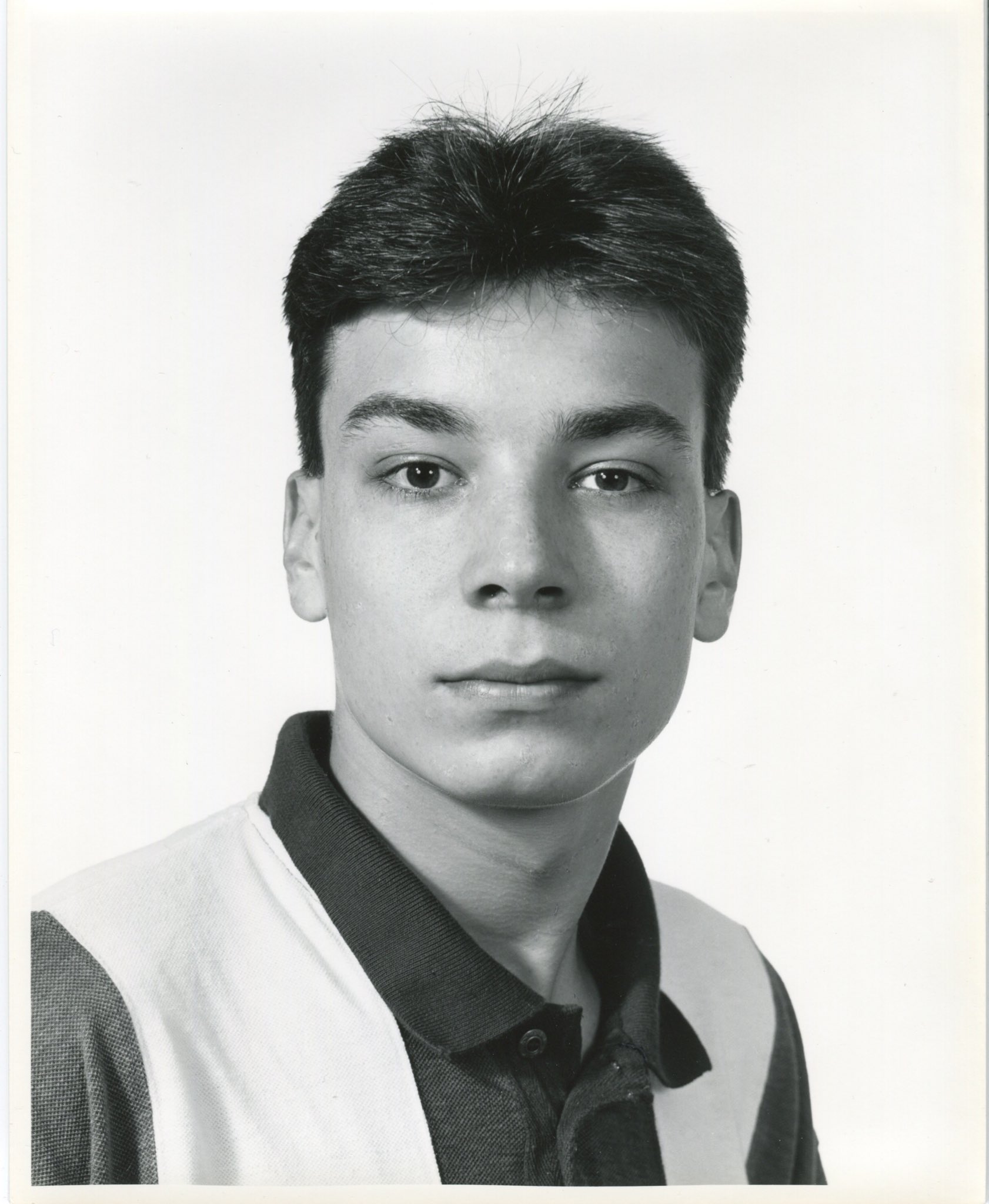
You probably think you know the story. A young guy with a guitar and a mess of hair walks onto the Studio 8H stage in 1998, giggles through a few sketches with Horatio Sanz, and eventually inherits the most famous desk in late-night history.
But Jimmy Fallon in the 90s wasn't just a lucky kid who stumbled into Saturday Night Live.
Honestly, the decade was a frantic, $7.50-per-set grind that almost didn't happen. Before he was the polished host of The Tonight Show, Fallon was a college dropout living in Los Angeles, getting his lines cut from Robin Williams movies and trying to convince the world that his Adam Sandler impression was actually a tribute, not a parody.
The $700 Troll Doll and the Saugerties Roots
Jimmy didn't start in a vacuum. He was a "computer science major" (can you imagine?) at the College of Saint Rose in Albany.
Basically, he was miserable. He spent his weekends taking a bus to Manhattan to perform at Carolines on Broadway.
The real turning point? A local impression contest in the Hudson Valley. His mom, Gloria, heard about it on the radio. Jimmy went on stage with a troll doll—the kind with the neon hair—and did a bit where the doll was auditioning for commercials. He did Seinfeld. He did Bill Cosby. He won $700.
That was the "aha" moment. He realized he could get paid more for three minutes of voices than a month of folding clothes.
He dropped out of college in 1995, just a semester shy of graduating. His parents weren't thrilled, but he had a manager and a one-way ticket to Los Angeles.
The LA Grind: The Groundlings and Failed Pilots
When people talk about Jimmy Fallon in the 90s, they usually skip the LA years. It was a weird time.
He joined The Groundlings, the legendary improv troupe that birthed everyone from Phil Hartman to Kristen Wiig. He was doing sets at The Improv for pocket change.
Ever heard of a movie called The Scheme? Probably not. It was filmed in 1998 (originally titled The Entrepreneurs), and Jimmy's in it.
He also landed a guest spot on Spin City in 1998, playing a photographer. Fun fact: a young Chris Evans was actually an intern in the casting office at the time.
"I was just this kid in a baggy sweater trying to look like I belonged on a TV set." — Jimmy Fallon, reflecting on his early career.
He even got cast in a pilot for The WB. But Jimmy had a "get out of jail free" card. He made his manager put a clause in his contract: if he ever got cast on Saturday Night Live, he had to be released immediately.
He was obsessed. He wasn't looking for a sitcom career; he was looking for Lorne Michaels.
The Audition That Broke the "No Laughing" Rule
By 1997, Jimmy got his first crack at SNL. He bombed.
He went back to the drawing board. In 1998, he got a second chance. The room was cold. The legends say Lorne Michaels never laughs during auditions. Never.
The guy before Jimmy went on with a keyboard and a box of wigs. Jimmy had nothing but a guitar. He felt like he'd already lost.
But then he did the "Celebrity Walk-a-thon." He did Jerry Seinfeld, Chris Rock, and the "danger zone"—an impression of Adam Sandler, who had just left the show a few years prior.
Lorne laughed. Tina Fey, who was the head writer at the time, said he was one of the only people she’d ever seen who was "completely ready" to be on the show from day one.
1998-1999: The Freshmen Year
When he finally debuted in September 1998 (the Cameron Diaz episode), the energy changed.
The 90s version of Jimmy was high-octane. He wasn't the "Update" anchor yet. He was the guy doing "The Boston Teens" with Rachel Dratch, playing Sully. He was the stoner web host Jarret in "Jarret's Room."
People loved him because he looked like he was having the time of his life.
Sure, he "broke" (laughed during sketches) constantly. Some critics hated it. They thought it was unprofessional. But the audience? They felt like they were in on the joke.
Why His 90s Era Still Matters
If you look at the landscape of comedy in the late 90s, it was moving away from the "character-heavy" 80s style into something more personality-driven.
Jimmy was the bridge. He brought musical parodies back to the forefront. He made it cool to be a fanboy of comedy while actually doing comedy.
He ended the decade as the "Ghost of SNL Future" in a 1998 Christmas sketch with Alec Baldwin. It was prophetic.
How to Apply the "Fallon Hustle" to Your Career
You don't need to be an impressionist to learn from Jimmy's 90s trajectory.
- The "Exit Clause" Strategy: Jimmy knew what he wanted. He didn't just take the WB pilot; he made sure it wouldn't block his true dream. Know your non-negotiables.
- The "Ready Now" Mindset: Tina Fey noted he was "ready." That didn't happen by accident. It was years of $7.50 sets and improv classes. Don't wait for the opportunity to start practicing.
- Embrace the "Break": Jimmy’s biggest weakness—laughing on camera—became his biggest brand strength. It made him human. Don't hide your authenticity in a quest for "professionalism."
If you want to see the roots of modern late-night, go back and watch the 1998 sketches. You’ll see a kid who was terrified, talented, and totally obsessed with the craft.
To really understand the evolution of variety TV, you should compare his early musical bits to the "Tight Pants" sketches of today. The DNA is exactly the same.
Dig into the archives of The Groundlings or early Weekend Update clips from 1999 to see the technical skill behind the giggles.
Find the 1994 pilot Metroland's Loose Camera on YouTube if you want to see his actual TV debut as a 19-year-old. It’s a masterclass in seeing where "the funny" starts.