It was supposed to be the next Star Wars. That’s not hyperbole; Disney literally positioned it as the cornerstone of a new live-action empire. But if you mention a Disney movie about Mars to anyone in Hollywood today, they don't think about soaring adventures or heroic leaps. They think about the $200 million hole in a balance sheet. We're talking, of course, about John Carter.
Released in 2012, John Carter is perhaps the most fascinating failure in modern cinema. It wasn't a bad movie—honestly, it’s actually quite good—but it was a victim of its own legacy. Based on Edgar Rice Burroughs’ A Princess of Mars, the source material basically invented the "space opera" genre. Without John Carter, we don't get Luke Skywalker or Flash Gordon. Yet, when Disney finally brought it to the big screen, the audience felt like they’d seen it all before. That’s the "John Carter Paradox." The pioneer looked like a copycat.
Why Disney’s Mars Epic Stayed Grounded
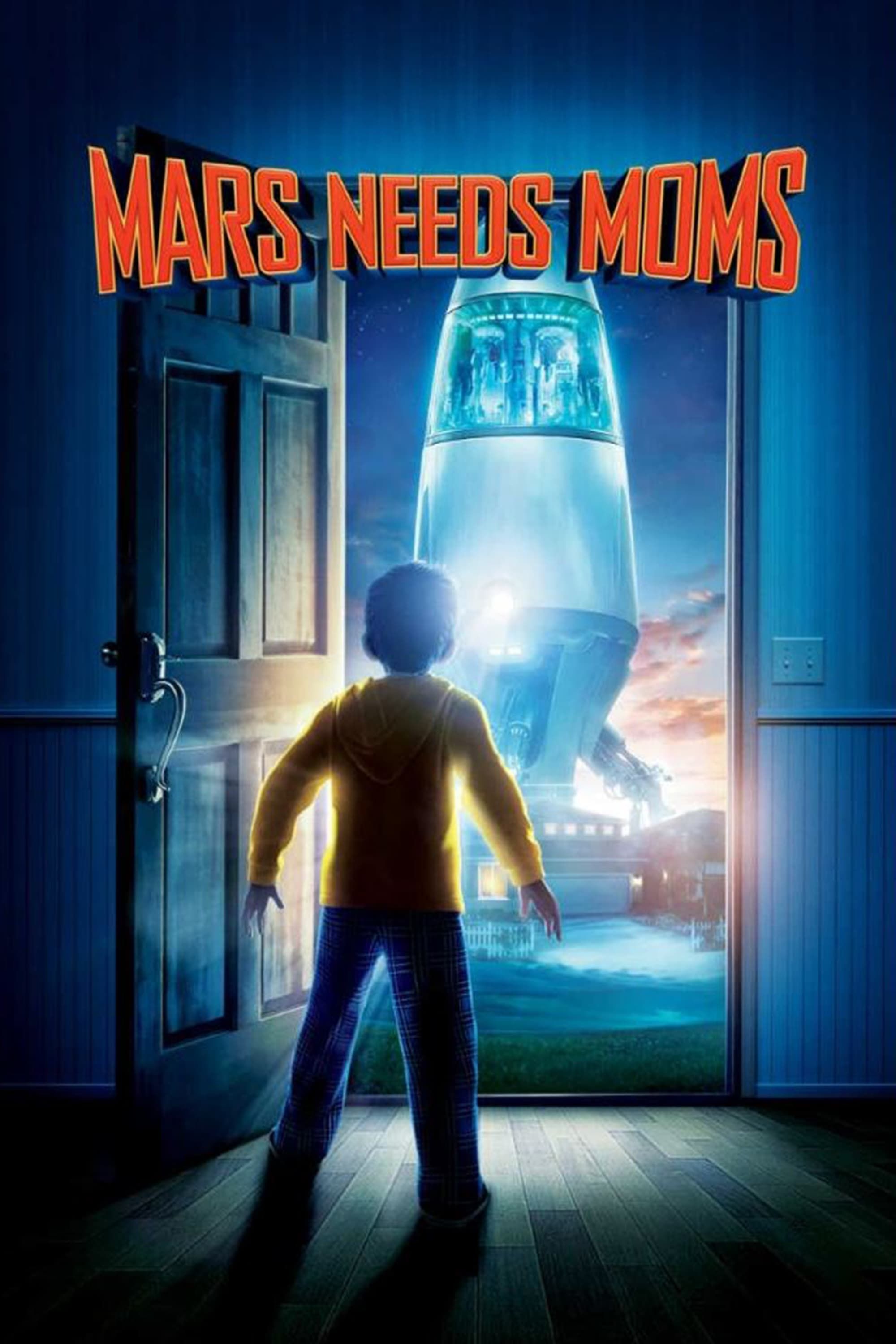
The marketing was a disaster. Total mess. For reasons that still baffle film historians, Disney dropped "of Mars" from the title shortly before release. Director Andrew Stanton, fresh off the massive success of Finding Nemo and WALL-E, reportedly felt that "Mars" movies were box office poison. He wasn't entirely wrong—remember Mars Needs Moms? That was another Disney Mars project from 2011 that absolutely tanked.
So, they named it John Carter. Just a guy's name. It sounded like a movie about a CPA or a civil war reenactor, which, to be fair, the character was a former Confederate soldier, but the "teleporting to a dying planet" part was kind of the selling point. By hiding the sci-fi elements, Disney alienated the core fans and failed to grab the general public.
The budget ballooned to an estimated $250 million. Some sources suggest it was even higher when you factor in the massive marketing spend that went nowhere. To break even, the movie needed to make half a billion dollars. It didn't. Not even close. It brought in about $284 million worldwide. In the world of high-stakes blockbuster filmmaking, that is a catastrophic loss. Disney had to take a $200 million write-down.
Breaking Down the Barsoom Mythos
If you actually sit down and watch it, the world-building is incredible. Stanton spent years developing the look of Barsoom (the Martian name for Mars). He didn't want it to look like a soundstage. He wanted it to feel dusty, ancient, and lived-in.
- The Tharks: These are the four-armed, nine-foot-tall green warriors. Unlike the stiff CGI of the early 2000s, these creatures felt weighty. Willem Dafoe provided the performance capture, and you can actually see his soul in Tars Tarkas’ eyes.
- The Gravity: Because Mars has lower gravity than Earth, John Carter has superhuman strength and the ability to leap massive distances. This was a direct inspiration for Superman’s original powers.
- The Air: Burroughs’ original books dealt with an "atmosphere plant" that kept the planet alive. The movie leans into this idea of a dying world being manipulated by the Therns, a group of intergalactic puppet masters led by Mark Strong.
People forget that John Carter was actually the first time a lot of these tropes were ever written down, back in 1912. But by 2012, we’d had thirty years of Star Wars and Avatar. When John Carter jumps across a canyon, the kids in the audience just thought, "Oh, he's like the Hulk." They didn't realize the Hulk was actually like John Carter.
The Real Legacy of Disney's Martian Gamble
Is it a cult classic now? Kinda. There is a very vocal group of fans on Twitter and Reddit who still lobby for a sequel. They call themselves "The Fans of Barsoom." They point out that the film currently sits with a decent audience score on Rotten Tomatoes. It’s a gorgeous movie. The score by Michael Giacchino is legitimately one of the best orchestral soundtracks of the last twenty years. It’s sweeping, romantic, and adventurous in a way that modern Marvel movies often aren't.
But Disney moved on. Fast. Shortly after the John Carter debacle, Disney acquired Lucasfilm. They didn't need their own "Star Wars" anymore because they literally owned the Star Wars. The plans for the sequels—Gods of Mars and Warlord of Mars—were scrapped. The rights eventually reverted back to the Edgar Rice Burroughs estate.
Interestingly, this wasn't Disney's only brush with the Red Planet. Before John Carter and Mars Needs Moms, there was Mission to Mars (2000), directed by Brian De Palma. That one was based on a theme park attraction. It also struggled. There seems to be a strange curse on Disney when it comes to Mars. Every time they try to go there, the box office numbers stay sub-zero.
Expert Insights: What Went Wrong?
Film critics like Peter Debruge have often noted that the film was "too smart for its own good." It didn't talk down to the audience. It expected you to keep up with the complex politics of the Zodangans and the Heliumites. In an era of "The Avengers," which came out the same year and featured a much more straightforward "good guys vs. bad guys" plot, John Carter felt dense.
Marketing experts also point to the "White Space" problem. The posters featured John Carter standing in a vast desert. It looked empty. It didn't promise a party; it promised a lonely trek through the sand. Compare that to the vibrant, neon-soaked trailers for Guardians of the Galaxy a few years later. Disney learned their lesson: if you're going to space, you have to make it look like fun.
Practical Ways to Experience the Story Today
If you’re curious about this Disney movie about Mars, don't just take the 2012 film as the final word. The history of this story is deep.
- Watch the movie on Disney+: Watch it with the mindset that it was made by a guy who loved the books as a kid. Look at the detail in the Thark architecture. It’s a technical marvel.
- Read "A Princess of Mars": It’s in the public domain. You can download it for free. You’ll be shocked at how much of your favorite sci-fi movies were stolen directly from these pages written over a century ago.
- Check out the "Project 22" documents: If you’re a film nerd, look up the developmental history of the film. It was in "development hell" for nearly 80 years. Directors like Robert Rodriguez and Kerry Conran were attached to it at various points before Stanton took the helm.
- Listen to the Soundtrack: Even if you hate the movie, Giacchino’s track "The Thark Battle" is a masterpiece of cinematic music.
The lesson of John Carter isn't that Mars movies don't work. It’s that you can’t sell a legend just by calling it a name. You have to show the wonder. Disney has mostly abandoned Mars for the deep reaches of the Marvel Cinematic Universe and the "Galaxy Far, Far Away," but for a brief, expensive moment, they tried to build a world on the Red Planet. It remains one of the most beautiful "what ifs" in cinema history.
To truly understand the impact of this film, one must look at the "John Carter effect" on subsequent Disney acquisitions. The failure of this standalone epic directly contributed to Disney's pivot toward established franchises. They realized it was safer to buy a fan base than to try and build one from scratch with century-old pulp novels. If you want to dive deeper into the technical side, look for the "making of" featurettes that detail the linguistic work done to create the Martian dialects—it’s a level of dedication rarely seen outside of Lord of the Rings.