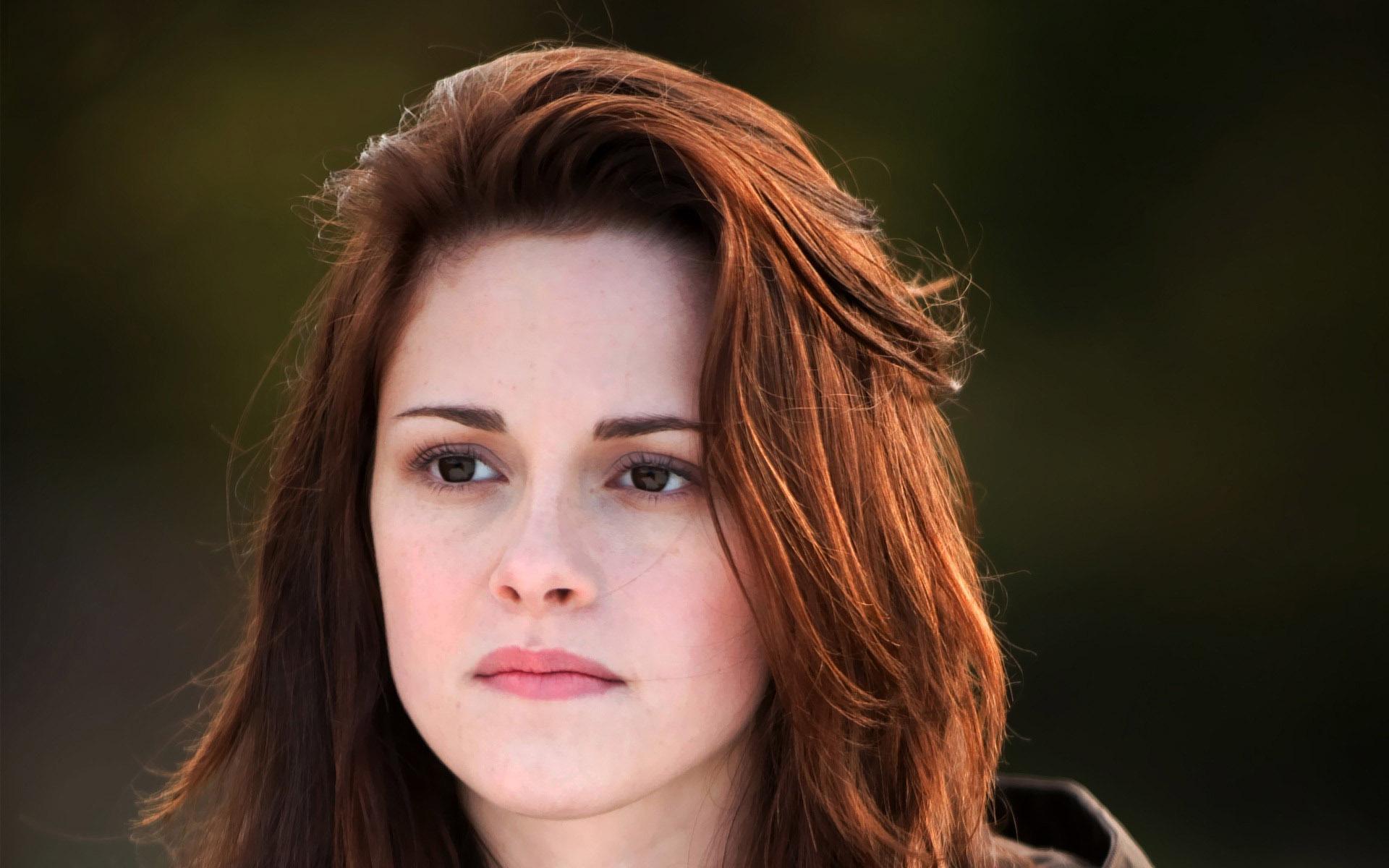
Everyone remembers where they were when they first saw that blue-tinted, rainy forest in Forks. It’s 2008. Low-rise jeans are everywhere. And suddenly, Kristen Stewart from Twilight is the most famous girl on the planet.
She was eighteen.
Honestly, the way the world treated her back then was kinda brutal. We spent years mocking her "blank" expressions and that nervous habit she had of tucking her hair behind her ear. Critics called her wooden. Tabloids tracked her every move like she was a hunted animal.
But looking back from 2026, it’s clear we were all looking at it wrong. Kristen Stewart wasn't a bad actress; she was a girl trying to survive a level of fame that would’ve crushed most adults. And now? She’s a powerhouse director with an Oscar nomination under her belt, proving that the Bella Swan era was just the beginning of a much weirder, cooler story.
The Bella Swan "Problem" That Wasn't Actually a Problem
People love to hate on Bella. They say she’s a "blank slate" for the reader to project onto. If you rewatch the movies now, you'll see Kristen Stewart actually doing something pretty specific. Bella is a teenager who feels like an outsider. She’s awkward. She’s anxious.
The "stiff" acting? That was just a girl who felt uncomfortable in her own skin, which, if we’re being real, is exactly what being seventeen feels like.
Stewart has recently reflected on this, calling the films "weird" and "squirrelly" in the best way possible. She recently told Entertainment Tonight that those early days were raw because nobody knew how big the franchise would get. There was an experimental energy to the first movie that got lost as the budgets hit the hundreds of millions.
Why she didn't just "play the game"
Unlike other starlets of the 2000s, Kristen didn't smile for the cameras. She didn't do the bubbly talk show bit. She looked like she wanted to crawl out of her skin during red carpets.
- The Media Narrative: She's ungrateful.
- The Reality: She has severe social anxiety and hated the "merchandising" of her private life.
She basically became the face of a generation that was tired of being told how to look and act. That authenticity is why she has such a massive cult following now, even if it made her a target for late-night comedians in 2010.
The Pivot: From Blockbusters to Arthouse Queen
Once the Breaking Dawn checks cleared, Kristen Stewart did something most people didn't expect. She disappeared from the "mainstream" almost entirely. No more superhero movies. No more generic rom-coms.
Instead, she went to France.
She teamed up with director Olivier Assayas for Clouds of Sils Maria. She played an assistant to a famous actress, and she was electric. She became the first American actress to win a César Award (the French equivalent of an Oscar).
That was the turning point.
Suddenly, the "girl from Twilight" was the darling of the international film festival circuit. She followed it up with Personal Shopper, a movie where she basically spends two hours texting a ghost. It sounds ridiculous, but she made it high art.
The Oscar Moment and the Spencer Era
If you had told a Twilight hater in 2009 that Kristen Stewart would eventually be nominated for an Oscar for playing Princess Diana, they would’ve laughed in your face.
But it happened.
In Spencer (2021), she didn't just do an impression of Diana. She captured the claustrophobia of being trapped in a system that wants to eat you alive. Sound familiar? It’s almost like she spent five years as Bella Swan preparing for a role about a woman being hunted by the press.
The nuance she brought to that role was a massive "I told you so" to everyone who called her one-dimensional. She proved she can hold the screen with almost no dialogue, using only her eyes to communicate decades of grief and resentment.
Kristen Stewart in 2026: The New Chapter
We are currently seeing the "Director Era" of Kristen Stewart. Her debut feature, The Chronology of Water, which premiered recently, is a far cry from the sparkling vampires of her youth. It’s an adaptation of Lidia Yuknavitch’s memoir, and it’s visceral, messy, and uncompromising.
She’s even mentioned she’d be down to direct a Twilight remake if the budget was right. Not to star in it—she’s done with the contact lenses—but to put her own gothic, queer-coded spin on the story.
What she’s doing now (besides directing):
- Flesh of the Gods: She’s returning to the vampire genre, starring alongside Oscar Isaac in a 1980s LA thriller.
- Nevermind Pictures: Her production company is focused on getting "weird" indie films off the ground.
- Advocacy: She’s been incredibly vocal about the "capitalist hell" of modern Hollywood and the need for more women behind the camera.
Why Kristen Stewart from Twilight Still Matters
The reason we’re still talking about her is that she represents a specific kind of survival. She was the center of a "so-bad-it's-good" phenomenon, survived a massive cheating scandal that the entire world felt entitled to comment on, and came out the other side as a respected artist.
She’s also become a queer icon. Coming out on Saturday Night Live in 2017 with the line "I'm like, so gay, dude" was a cultural reset for fans who had watched her struggle with the Edward vs. Jacob narrative for years.
Kristen Stewart from Twilight was a character. But the woman she became is far more interesting than anything Stephenie Meyer could have written.
How to Appreciate Her Career Today
If you’re still stuck on the "Bella Swan" version of her, it’s time to update your watchlist. You can't really understand her impact without seeing the range.
- Watch "Personal Shopper" for the tension.
- Watch "Love Lies Bleeding" for the raw, 80s-soaked intensity.
- Watch "Spencer" for the technical mastery.
The best way to see the legacy of her Twilight years is to look at how she uses her power now. She’s using the clout she earned from those blockbusters to fund small, difficult, beautiful movies that otherwise wouldn't exist. She’s not running away from her past; she’s just finally the one holding the camera.
Start by revisiting the original Twilight with a fresh set of eyes—look for the subtle ways she plays Bella's social discomfort. Then, jump straight into her directorial work to see how that same girl learned to command a film set. You'll see that the awkwardness was never a lack of talent; it was just the fuel for the career she has today.