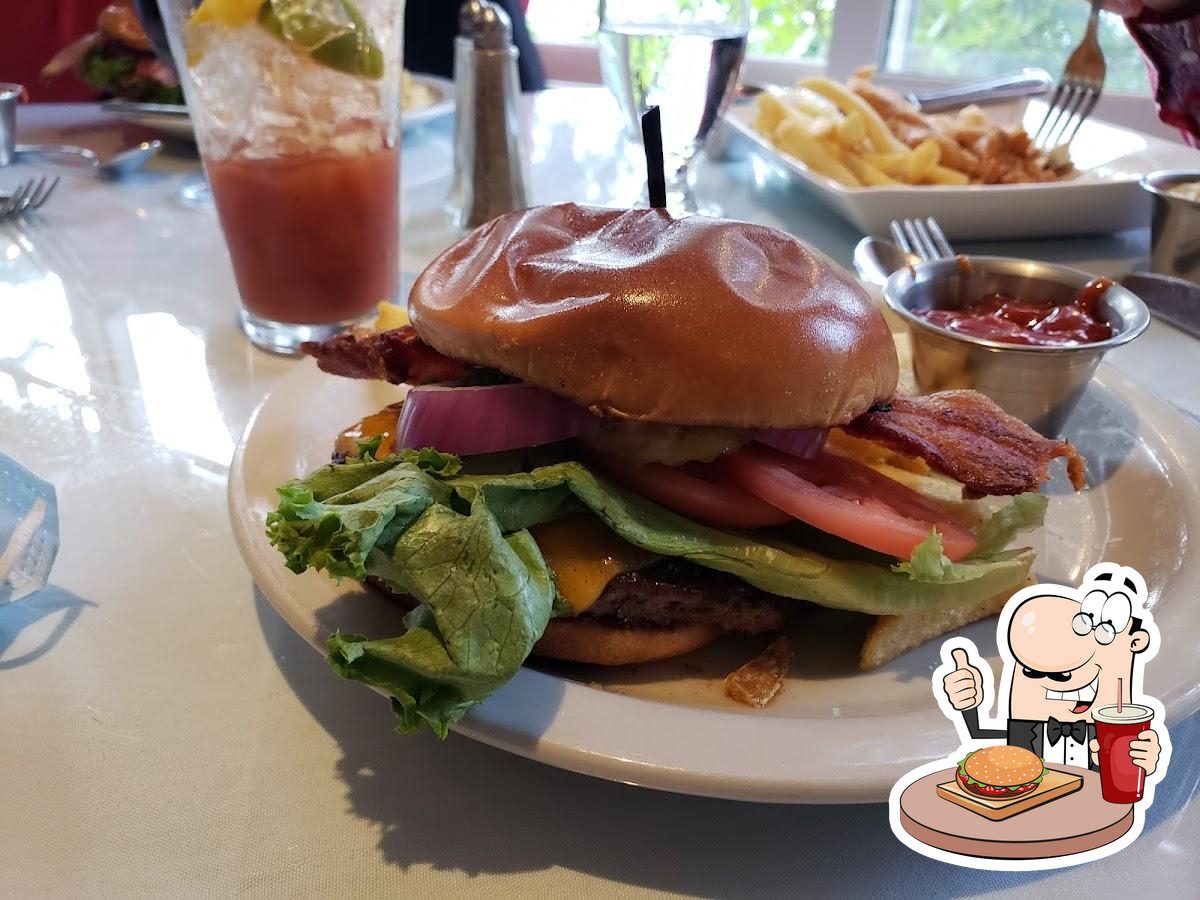
You’re driving along Highway 101, the trees are getting taller, and suddenly the water hits you. It’s that impossible, electric blue. Most people pulling into the gravel lot at the historic Lake Crescent Lodge are there for the view, or maybe a quick photo on the dock. But if you’re actually planning to eat at the Lake Crescent Lodge restaurant, there’s a massive gap between the postcard fantasy and the logistical reality of dining in a seasonal, remote national park setting. Honestly, it’s not just a place to grab a burger. It’s a lesson in Olympic Peninsula history, local sourcing hurdles, and the sheer unpredictability of high-volume seasonal tourism.
The lodge was built in 1915. It feels like it. You walk into the lobby and smell the woodsmoke from the stone fireplace, and immediately, your brain goes into "slow down" mode. That’s a trap, though. If you show up at 6:30 PM on a Tuesday in July without a plan, you aren't getting a table by the window. You’re probably not getting a table at all until the sun has already dipped behind the mountains. This is one of the most popular spots in the entire park system, and the dining room operates with the constraints of a building that was around before the First World War.
The Reality of the Menu and Sourcing
People expect "park food" to be overpriced cardboard. At the Lake Crescent Lodge restaurant, they’re actually trying to do something much harder: PNW-inspired fine dining in a kitchen that probably lacks the square footage of a suburban Starbucks. They focus heavily on the "Fresh Forward" program by Aramark (the concessionaire, though they often operate under the Olympic National Park Log Cabin Resort brand names too). This means you’ll see wild-caught salmon, Dungeness crab cakes, and mushrooms that were likely growing in the damp moss a few miles away just days ago.
But here is the catch.
Supply chains out here are a nightmare. You are hours from a major metro hub. When the salmon run is weird or the local foragers have a bad week, the menu shifts. It has to. I’ve seen people get genuinely upset because the specific halibut dish they saw on a blog from 2022 wasn't available. Nature dictates the plate here. The dinner menu typically leans into the heavy hitters of Washington State: think pan-seared scallops, slow-roasted prime rib, and Northwest berry cobblers. The prices reflect the "transportation tax" of getting high-quality ingredients to the edge of a glacial lake. You’re paying for the logistics as much as the steak.
The Breakfast vs. Dinner Divide
Breakfast is the unsung hero of this place. While everyone fights for a sunset dinner, the morning light on Lake Crescent is arguably better. It’s quieter. You can actually hear the water. The breakfast menu is standard lodge fare—think massive pancakes and thick-cut bacon—but there’s something about drinking coffee out of a heavy ceramic mug while the mist rolls off the water that makes a $20 breakfast feel like a steal.
Lunch is the middle ground. It's more casual. Sandwiches and salads. If you’re hiking Storm King—which is literally right across the road—this is your reward. But be warned: the "hiker hunger" is real, and the service can be island-time slow. The staff are often international students on J-1 visas or seasonal workers living in dorms nearby. They are working hard, but the sheer volume of tourists can overwhelm the system. Patience isn't just a virtue here; it’s a requirement for entry.
Why the Sunsets Are a Double-Edged Sword
Let’s talk about the windows. The dining room has these stunning, large windows that face West. In the summer, the sun doesn't set until late. This creates a spectacular light show, but it also turns the dining room into a bit of a greenhouse. It gets warm. It gets bright. The staff sometimes have to pull the shades, which kills the view but saves your retinas.
Most people don't realize that the sun sets behind the mountains earlier than the "official" sunset time. If you want that golden hour glow, you need to time your seating for about 45 minutes before the calculated sunset. If you wait until the actual time, you're sitting in the dark. Also, there is no "bad" seat, but the booths along the interior wall are definitely the consolation prize. If you're a party of two, you have a much better shot at the window. Groups of six or more? You’re going to be in the middle of the room. That's just the geometry of a 100-year-old building.
What Most People Get Wrong About Reservations
"I'll just call them." Good luck. During the height of the season, the phone lines are jammed, or the staff is too busy seating the line out the door to answer. The Lake Crescent Lodge restaurant does take reservations for dinner, and you absolutely must make them weeks—sometimes months—in advance if you’re staying at the lodge. If you’re a walk-in, your best bet is to arrive at 4:30 PM and put your name on the list, then go sit on the porch with a drink from the bar.
The bar is actually the secret weapon of the lodge. It’s small, cozy, and often serves a limited version of the food menu. If the wait for a table is two hours, check the bar. If there’s a stool, take it. You get the same atmosphere, a shorter wait, and access to a surprisingly good list of Washington wines and local craft beers from Port Angeles and Sequim.
The Environmental and Historical Constraints
You can’t just expand a historic lodge. The National Park Service (NPS) has incredibly strict rules about what can be changed. This means the kitchen can't be modernized with massive walk-ins or high-tech ovens without a mountain of paperwork. This limits the complexity of the menu. You aren't getting molecular gastronomy here. You’re getting solid, rustic, Northwest coastal cuisine.
The lodge is also a "dry" environment in a different sense—the humidity from the lake and the surrounding rainforest affects everything. Bread goes soft, salt clumps. It’s a constant battle against the elements. When you eat here, you’re participating in a tradition that hasn't changed much since the days when people arrived by steamship. The floorboards creak. The air smells like pine needles. If you’re looking for a sterile, high-speed corporate dining experience, you’re in the wrong zip code.
Navigating the Seasonal Shifting
The Lake Crescent Lodge restaurant isn't a year-round operation. It typically opens in late April and closes up shop in the fall (usually late September or early October). This creates a "start-up" culture every single spring. The first two weeks of the season are notoriously clunky as new staff learn the POS system and the kitchen finds its rhythm. If you visit in May, expect some jitters. By August, they are a well-oiled machine, but they are also exhausted.
Late September is the "sweet spot." The crowds have thinned, the air is crisp, and the kitchen usually has their specials dialed in. Plus, the fall colors around the lake are underrated. The maples turn a bright, searing yellow that reflects off the deep blue water in a way that looks like a Photoshop filter.
Practical Tips for Your Visit
Don't just wing it. If you want the full experience, you have to play the game.
- Check the weather, but don't trust it. A rainy day at Lake Crescent is actually beautiful in the dining room. The "moody PNW" vibe is at its peak when the clouds are dragging across the water.
- Dress is "National Park Casual." You’ll see people in full hiking gear next to couples in Patagonia sweaters and nice jeans. Don't show up in a tuxedo, but maybe change out of your muddy gaiters before sitting down.
- The Bar Menu is your friend. If the main dining room feels too stuffy or the wait is too long, the lounge/bar area offers a more relaxed vibe with many of the same high-quality ingredients.
- Order the local stuff. Skip the generic pasta. Go for the Cedar Plank Salmon or anything featuring local marionberries. It’s what they do best.
- Parking is a nightmare. If you aren't staying at the lodge, give yourself an extra 20 minutes just to find a spot. The lot is shared with hikers for the Marymere Falls and Mount Storm King trails.
The Verdict on the Value
Is it the best meal in Washington? Probably not. Is it the best meal you can have while staring at a 600-foot-deep glacial lake surrounded by ancient peaks? Absolutely. You are paying for the "sense of place." There is a specific silence that happens at Lake Crescent as the sun goes down, a stillness that you can't find in Seattle or even in Port Angeles.
The Lake Crescent Lodge restaurant is a destination because it represents a specific era of American travel. It’s the "Great Lodge" era, where the journey was long and the dinner at the end of it was a celebration. Even with the modern crowds and the digital reservation systems, that core feeling remains. You’re at the edge of the world, the water is cold, the fire is warm, and the salmon is fresh. That’s enough.
Actionable Next Steps:
- Check Availability Early: If you are planning a trip for the upcoming summer, head to the official Olympic National Park Log Cabin Resort or Aramark managed sites now to check the opening dates and reservation windows.
- Download Offline Maps: Cell service is non-existent to spotty at best once you pass Port Angeles. Don't rely on your phone to find the lodge or check the menu at the last minute.
- Plan a Mid-Week Visit: If you want any chance of a "quiet" meal, Tuesday and Wednesday are your only hope. Avoid holiday weekends like the absolute plague.
- Combine with a Hike: To truly "earn" the price point, hike the Marymere Falls trail (easy) or Storm King (hard) right before your reservation. The lodge is the perfect base camp for these trailheads.