You know the rhyme. Everyone knows the rhyme. It’s that sing-song, schoolyard chant about forty whacks and forty-one whacks that has basically turned a gruesome double homicide into a piece of American folklore. But honestly, if you look at the actual forensic evidence from 1892, the rhyme is wrong. It wasn't forty whacks. It was far fewer, though no less horrific. When people talk about how Lizzie took an axe, they’re usually blurring the line between a Victorian-era legal circus and the cold, hard reality of what happened inside 92 Second Street in Fall River, Massachusetts.
It was hot. August 4, 1892, was a sweltering Thursday. Andrew Borden, a wealthy but notoriously stingy businessman, and his wife Abby were found hacked to death in their home. The sheer violence of the crime stood in stark contrast to the quiet, respectable reputation of the family.
The Myth vs. The Reality of 92 Second Street
People love a good monster. It’s easier to process. We’ve spent over a century painting Lizzie Borden as this calculated, hatchet-wielding villainess, but the trial itself tells a much more complicated story. The prosecution’s case was built almost entirely on circumstantial evidence. There was no murder weapon found with a clear link to Lizzie. No blood-soaked clothes—unless you count the dress she burned in the kitchen stove a few days later, which she claimed was stained with "brown paint."
The jury acquitted her. They just couldn't wrap their heads around the idea that a "well-bred" woman, a Sunday school teacher who belonged to the Ladies' Fruit and Flower Mission, could strike her stepmother nineteen times and her father ten times. The gender politics of the 1890s basically acted as a shield. Men of that era genuinely believed women lacked the physical strength and the mental "depravity" for such butchery.
Why the "Axe" Matters More Than the Verdict
The fascination with the idea that Lizzie took an axe persists because it represents a total breakdown of the domestic sphere. The home is supposed to be safe. The father is supposed to be the protector. The daughter is supposed to be the caregiver. When Andrew Borden was found slumped on the sofa, his face so badly mangled that one eye was split in half, that social contract didn't just break; it evaporated.
Historians like Cara Robertson, who wrote The Trial of Lizzie Borden, have pointed out that the media frenzy was the 19th-century version of the O.J. Simpson trial. It had everything: wealth, family secrets, a suspicious maid named Bridget Sullivan, and a defendant who remained eerily calm.
Breaking Down the Timeline of the Murders
To understand why the case remains unsolved, you have to look at the window of opportunity. It was tiny.
Abby Borden went upstairs to straighten the guest room around 9:00 AM. She was struck from behind with a sharp, heavy blade. She died almost instantly. Andrew wasn't even home; he was downtown doing business. He didn't return until about 10:30 AM.
Think about that.
For ninety minutes, a dead body lay in the guest room while Lizzie and the maid, Bridget, went about their chores. Lizzie even claimed she helped her father settle in for a nap when he got back. By 11:10 AM, Lizzie was screaming for Bridget, saying someone had killed "Father."
Where was the blood?
If you kill someone with a hatchet, it’s messy. Arterial spray is real. Yet, Lizzie was found in a clean dress. Some theorists suggest she committed the murders naked. Others think she used a raincoat. Some think she was just incredibly lucky or methodical. But the lack of physical evidence on her person is the biggest hurdle for those who are 100% sure of her guilt.
The Suspects Beyond Lizzie
Was it the maid? Bridget Sullivan was the only other person known to be in the house. She was outside washing windows for part of the morning, but she was definitely there. However, she had no real motive. She liked the Bordens well enough, or at least didn't hate them enough to risk the gallows.
Then there’s Uncle John Morse. He had arrived the day before, uninvited. He had an alibi—he was visiting relatives across town—but some find his presence highly convenient. Was he the mastermind? Probably not. He lacked a clear motive to kill Abby, though Andrew’s estate was a different story.
And we can't forget the "Brown Paint" incident.
Lizzie burned a blue Bedford cord dress in the stove on the Sunday after the murders. Her friend Alice Russell saw her do it. Lizzie said it was ruined by paint. The prosecution said it was ruined by Abby and Andrew's blood. This single act of destruction probably did more to convince the public of her guilt than any other piece of evidence. It looked terrible. It was terrible. If you’re innocent, you don’t burn evidence during a double homicide investigation. You just don't.
The Psychological Profile
If we assume she did it, why?
Andrew Borden was a miser. He was worth about $300,000 in 1892—that’s roughly $9 million or $10 million today. Yet, the house didn't have indoor plumbing. He was selling off property and shifting assets in a way that Lizzie and her sister, Emma, felt threatened their inheritance.
There was also the "mutton" incident. The family had been eating old, cold mutton for days. Everyone in the house got sick. Abby was so convinced they were being poisoned that she went to a doctor. Lizzie tried to buy prussic acid (cyanide) at a local drugstore the day before the murders, claiming she needed it to clean a fur cape. The druggist refused to sell it to her.
When you add up the inheritance fears, the poisoned mutton, the stifling heat, and the denied cyanide, you get a pressure cooker.
The Cultural Afterlife of the Fall River Tragedy
The reason Lizzie took an axe is a phrase that lives on in 2026 isn't just about the crime; it's about the mystery. We hate a vacuum. We want an answer. Because the jury said "not guilty," the case is technically open forever.
It has inspired countless iterations in pop culture:
- The 1975 TV movie with Elizabeth Montgomery.
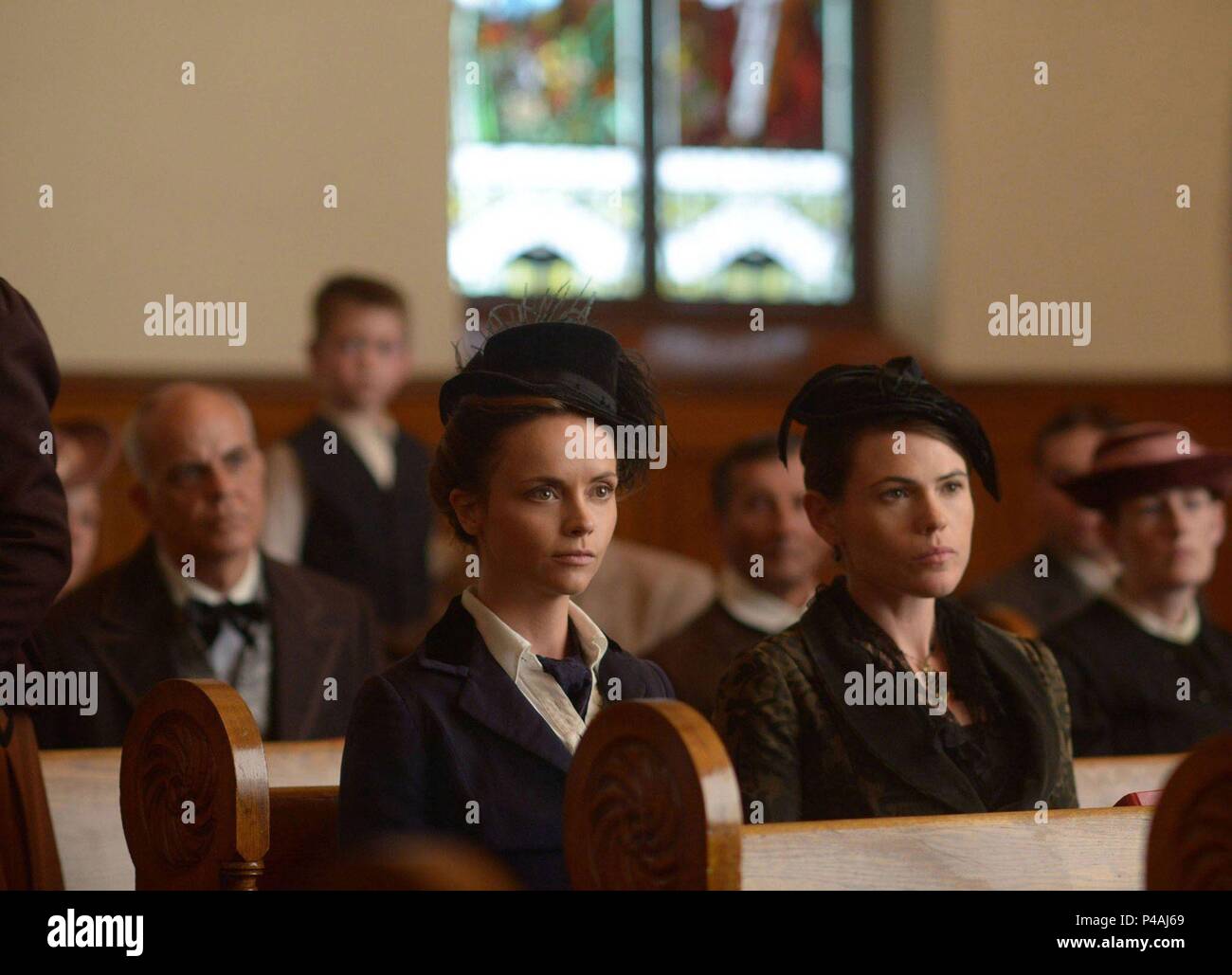
- The 2014 Lifetime flick starring Christina Ricci.
- A rock opera.
- Countless "ghost hunting" shows that visit the Borden house, which is now a Bed and Breakfast.
People actually pay money to sleep in the room where Abby Borden was killed. They eat a breakfast similar to what the Bordens ate that morning (minus the tainted mutton, hopefully). There is a deep, somewhat morbid human desire to stand in the space where the "impossible" happened.
Was Justice Served?
From a legal standpoint, the prosecution failed. They didn't produce a weapon. They didn't produce blood-stained clothes. They couldn't prove Lizzie was in the room at the exact moment of the strikes. In the American justice system, "probably did it" isn't enough for a conviction.
But Fall River never forgave her.
Lizzie and Emma inherited the money. They bought a large Victorian mansion in the fashionable "Hill" neighborhood and named it "Maplecroft." Lizzie changed her name to Lisbeth. She stayed in Fall River until she died in 1927, despite being ostracized by the community. She lived a lonely, wealthy life, surrounded by dogs and the occasional visiting actor from out of town.
Actionable Steps for True Crime Enthusiasts
If you're looking to dive deeper into the Borden case without getting lost in the "axe" myths, here is how you should approach it:
- Read the Trial Transcripts: Don't rely on blogs. The actual transcripts of the 1893 trial are available online through the Fall River Historical Society. Read what the witnesses actually said under oath.
- Study the Floor Plans: Look at the layout of 92 Second Street. When you see how cramped the house was, the idea of someone committing two murders without the other person hearing anything becomes much more confusing.
- Visit the Fall River Historical Society: They house the largest collection of Borden memorabilia, including the actual forensic "skulls" used during the trial (they are plaster casts, but still).
- Examine the "Prussic Acid" Testimony: Research why the judge excluded the testimony about Lizzie trying to buy poison. It was a massive blow to the prosecution and largely changed the outcome of the trial.
The Borden case is a reminder that the truth is often buried under layers of sensationalism and time. Whether Lizzie Borden was a victim of a botched investigation or a cold-blooded killer who got away with murder, the story of the woman who "took an axe" remains the ultimate American Gothic mystery. It's a puzzle with pieces that simply no longer fit together.