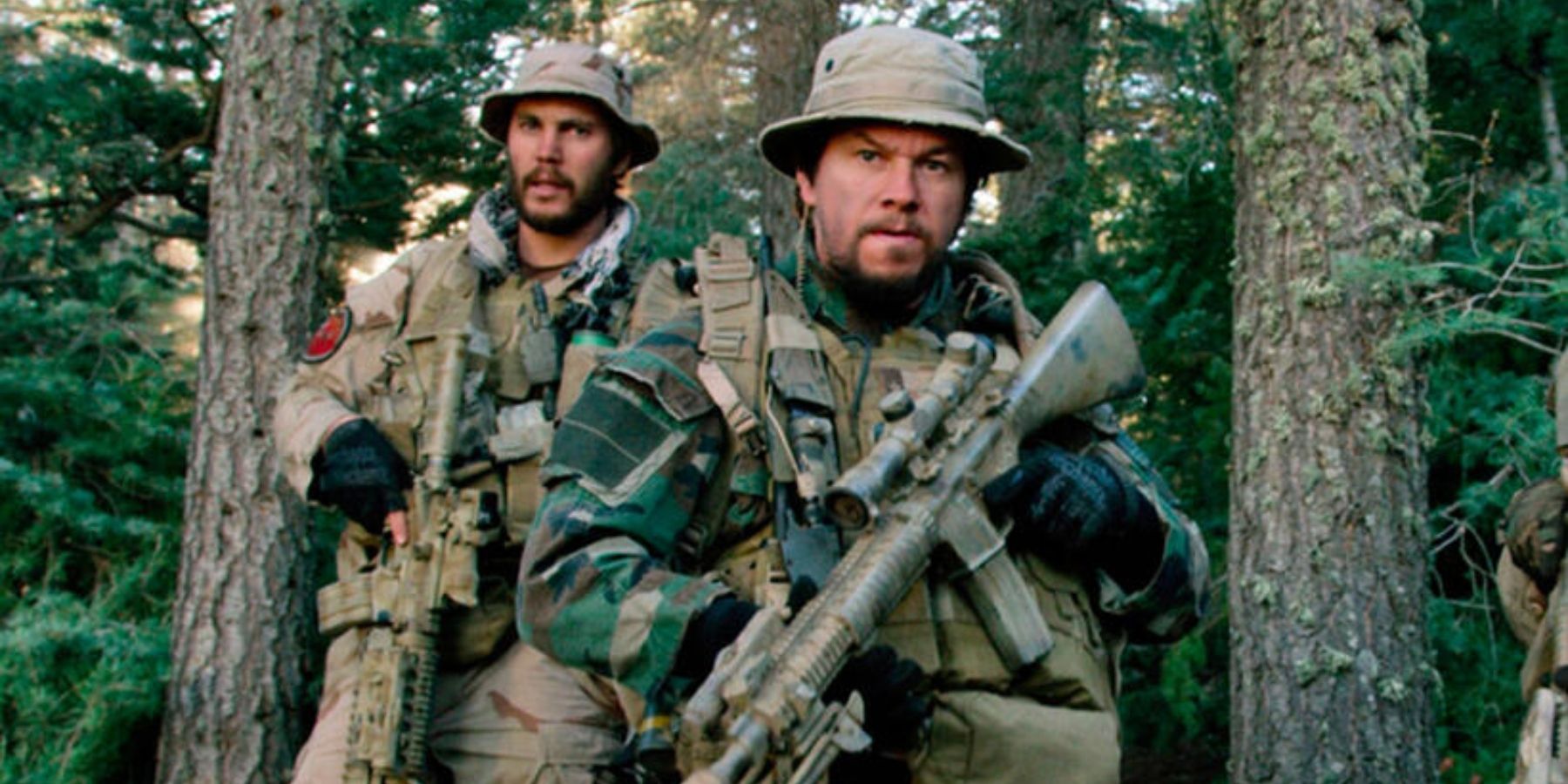
Let’s be honest for a second. Most war movies feel like they were shot in a studio with actors who’ve never actually broken a sweat. But Lone Survivor hits differently. It’s gritty. It's visceral. When you see the lone survivor movie cast tumbling down those New Mexico cliffs, your own ribs start to ache. That’s because Peter Berg didn’t just want actors; he wanted guys who could survive the mountain.
The 2013 film tells the brutal story of Operation Red Wings. In 2005, four Navy SEALs were dropped into the Hindu Kush mountains of Afghanistan to track a Taliban leader named Ahmad Shah. Things went sideways fast. Only one man, Marcus Luttrell, made it back.
To tell a story that heavy, you can’t just hire "pretty boys." You need a cast that’s willing to get their hands dirty—and stay dirty for forty days of filming.
The Core Four: More Than Just Actors
The weight of this movie rests on the shoulders of four men.
Mark Wahlberg plays Marcus Luttrell. Honestly, Wahlberg was the perfect choice here. He’s got that blue-collar, "don't quit" energy. But he didn’t just show up and read lines. He spent a massive amount of time with the real Marcus Luttrell to get the nuances right. He even produced the film because he was so obsessed with doing the story justice.
Then you’ve got Taylor Kitsch as Lieutenant Michael P. Murphy. Murphy was the team leader, the guy who eventually earned the Medal of Honor posthumously for stepping into the line of fire to make a satellite call. Kitsch captures that "quiet professional" vibe perfectly. He doesn't play Murphy like a superhero; he plays him like a man who loves his team more than his own life.
Ben Foster as Matthew "Axe" Axelson and Emile Hirsch as Danny Dietz round out the squad.
Foster is a bit of a chameleon. He’s known for getting way too deep into his roles. For Lone Survivor, he looked like he’d been living in the dirt for years. Hirsch, on the other hand, had to go through a bit of a transformation. Director Peter Berg actually told him he looked "too fat" before filming started. He had to lose twenty pounds and spend three months in a gym just to keep his job.
Breaking the Cast: The Brutal Training
You can't fake SEAL movements. Well, you can, but veterans will spot it in three seconds. To prevent that, Berg brought in elite military advisors to put the lone survivor movie cast through the ringer.
They didn’t just run on treadmills. They were doing live-fire drills at the Albuquerque PD SWAT facility. We're talking 30,000 rounds of 5.56mm ammo. They used the exact weapons their real-life counterparts carried.
- Muscle Memory: They practiced "shoot, move, communicate" drills until they didn't have to think about it.
- Tactical Authenticity: During a rehearsal, Ben Foster actually argued with the director about a camera move. He told Berg he wouldn't "expose his flank" like that because it would get the team killed.
- The "No Trailer" Rule: Peter Berg is a bit of a madman. He banned trailers and chairs on set. If you weren't filming, you were helping the crew carry gear up the 12,000-foot mountain. It built a camaraderie that you just can't manufacture on a cozy soundstage.
Real People, Real Stakes
It’s easy to forget these were real guys with families. The cast felt that pressure every single day.
Eric Bana plays Lieutenant Commander Erik Kristensen, the leader of the Quick Reaction Force. He brings a certain gravitas to the role, especially in the scenes where he’s trying to coordinate a rescue mission that feels increasingly doomed.
Then there's the Afghan cast. Ali Suliman plays Mohammad Gulab, the villager who found Luttrell and protected him under the Pashtun code of Nanawatai. This wasn't some Hollywood invention; Gulab really did risk his entire village to save a stranger. Suliman’s performance is understated but powerful. He reminds us that the war wasn't just Americans vs. "the bad guys"—there were people caught in the middle who showed incredible courage.
What Most People Get Wrong About the Cast’s "Stunts"
When you see those guys falling down the rocks? Those aren't just CGI.
Stunt coordinator Kevin Scott had a hell of a job. Usually, stuntmen want to look cool. They want to do a "heroic" roll. For Lone Survivor, Scott told them to do the opposite. He told them to jump off the rocks and "land however you land."
The actors and their stunt doubles were actually hitting those trees and rocks. At one point, Kitsch’s double took a fall that looked so bad the crew thought he was dead. He got up and asked to do it again. That level of commitment from the lone survivor movie cast and crew is why the movie still feels so raw over a decade later.
Is It 100% Accurate? Sorta.
Look, it's a movie. Some things were changed for dramatic effect.
In the film, Marcus Luttrell’s heart flatlines when he’s rescued. That didn't happen. In real life, he was actually having tea with the villagers when the Rangers arrived. Also, the final massive firefight at the village? Mostly Hollywood. While the Taliban did threaten the village, there wasn't a "last stand" battle on that scale.
But the cast didn't care about the minor details as much as they cared about the spirit. They wanted to show the sheer physical toll of that firefight. In the memoir, the fight lasted hours. The movie condenses it, but it makes sure you feel every bullet.
Actionable Insights for Your Next Rewatch
If you’re going to watch Lone Survivor again (or for the first time), keep an eye out for these details that show the cast's dedication:
- Watch the Muzzle Discipline: Notice how they never point their weapons at each other, even during the chaos. That’s the result of that SWAT training.
- The Eyes: Look at Ben Foster’s eyes during the final scenes. He’s not "acting" tired; he’s actually exhausted from filming at 13,000 feet.
- The Credits: Stick around for the photos of the real men. It puts a face to the names and reminds you why the actors took this so seriously.
The lone survivor movie cast didn't just make a war movie. They made a tribute. Whether you agree with the politics of the war or not, it's hard to deny the sheer physical and emotional effort these actors poured into honoring the men of Operation Red Wings.
To truly appreciate the performances, compare the film's portrayal of the "rules of engagement" scene with Marcus Luttrell's actual testimony in his book Lone Survivor. It provides a deeper look at the impossible moral choice the team faced on that mountain.