When you think about the world of The Last of Us, your brain probably goes straight to Joel’s scowl or Ellie’s switchblade. Maybe a Clicker’s screech. But honestly, if we’re talking about who actually "won" at the apocalypse, it’s Maria.
She isn't just Tommy’s wife. She’s the person who looked at a world falling apart and decided to build a literal town with electricity, movie nights, and a working laundry system. Maria Last of Us is the unsung architect of the only place in the series where you’d actually want to live.
Who Is She, Really?
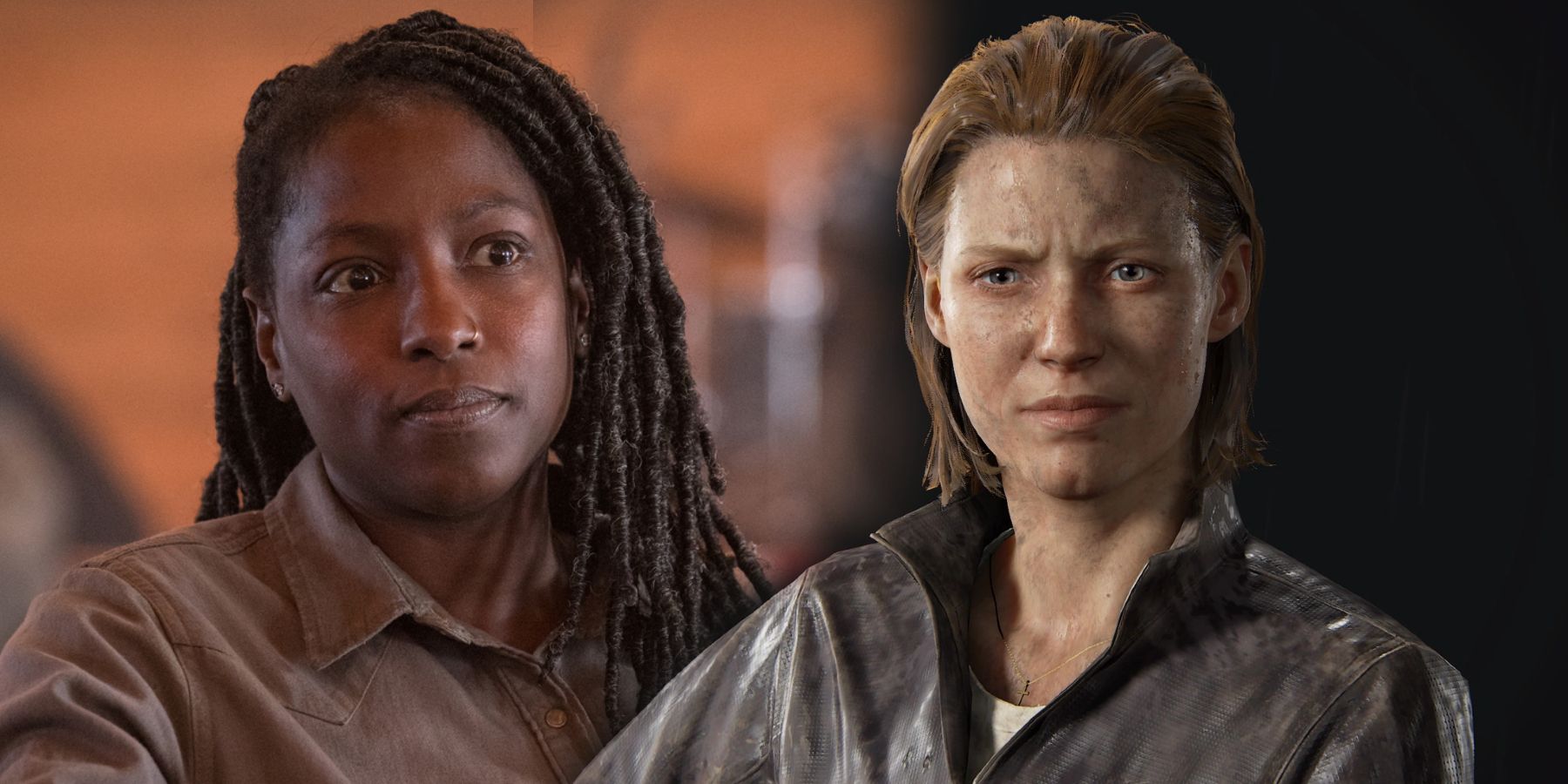
Basically, Maria is the democratically elected leader of Jackson, Wyoming. In the games, she was voiced and motion-captured by Ashley Scott. In the HBO show, Rutina Wesley took over the role, bringing a slightly harder, more protective edge to the character.
Before the world went to hell, the show tells us she was an assistant district attorney. That makes total sense. You can see it in how she carries herself—she’s always weighing evidence, judging character, and making sure the "laws" of Jackson are followed. She isn't a warlord. She’s a civil servant who survived.
The Jackson Difference
Most factions in this universe are nightmares. You’ve got the cannibalistic hunters in Pittsburgh, the authoritarian FEDRA, and the cult-like Seraphites.
Then you have Jackson.
Maria’s leadership is why Jackson works. While everyone else is fighting over scraps, she’s managing a hydroelectric dam. She understands that survival isn't just about not dying; it's about having something to live for. That’s why there are schools. That’s why there are Christmas lights. She kept the humanity while everyone else traded theirs for ammunition.
What the HBO Show Changed (and Why It Matters)
If you’ve played the games, you know Maria as a steady, capable leader. But the show added a massive layer to her story: pregnancy.
In the first season of the HBO series, it’s revealed that Maria is expecting. This was a huge departure from the source material. In the games, Tommy and Maria don’t have children. By the time we hit Season 2 (which covers the events of Part II), we see them raising a son named Benjamin.
This change shifts the stakes.
In the game, when Tommy leaves for Seattle to hunt down Abby, it’s a marital rift. In the show, it’s a father abandoning his young child and a wife who is left to lead a community while solo parenting in a wasteland. It makes Tommy’s obsession with revenge feel way more selfish, doesn't it? It highlights Maria’s strength—she stays to keep the world turning while the men go off to break it further.
Maria vs. the Miller Brothers
Maria’s relationship with Joel is... complicated. Sorta frosty, if we're being real.
She knows exactly who Joel is. She knows the "unmentionable" things he and Tommy did to survive those early years. When Joel rolls into town in the first game/season, she doesn't see a hero. She sees a threat to her husband’s peace.
"I'm the one who's gotta look after him. Not you."
That line to Joel says everything. She’s the gatekeeper. She’s the one who gave Tommy a second chance at being a good man. When she tells Ellie, "Be careful who you put your faith in. The only people who can betray us are the ones we trust," she’s talking from a place of deep, scarred experience. She lost a son, Kevin, at the start of the outbreak. She knows what loss feels like, and she’s not interested in Joel’s brand of chaos.
The Most Underrated Peacemaker
There’s a scene in The Last of Us Part II that people often overlook. It’s the "Bigot Sandwich" moment.
When Seth insults Ellie and Dina, it’s Maria who steps in. She doesn't just yell. She demands a formal apology and makes Seth give Ellie those steak sandwiches as a peace offering. It seems small, but in a world where a spark can lead to a blood feud, Maria is the one putting out fires. She’s a master of de-escalation.
She also shows incredible grace when Ellie decides to leave for Seattle. She could have locked Ellie up. She could have refused supplies. Instead, she gives Ellie a horse and her blessing, basically saying, "I can't stop you, so I'll help you survive."
The Breakup
One of the saddest parts of Maria's story is the "break" she takes from Tommy at the end of Part II.
Tommy comes back from Seattle a broken man. He’s physically mangled, bitter, and obsessed with the revenge he didn't get. Maria, ever the pragmatist, realizes she can’t fix him if he doesn't want to be fixed. They separate. It’s a grounded, adult ending to a relationship that just couldn't survive the weight of the world.
Actionable Insights: Why Maria Matters for Fans
If you're looking to dive deeper into the lore of Maria Last of Us, here is how you can actually engage with her character's legacy:
- Watch the HBO "Inside the Episode": Episode 6 ("Kin") has great commentary from Rutina Wesley on how she balanced Maria’s leadership with her hidden grief.
- Replay the Jackson Prologue in Part II: Pay attention to the background NPCs. You'll see Maria’s influence everywhere—the logbooks, the patrol schedules, and the way people treat her with genuine respect, not fear.
- Notice the Wardrobe: In the show, Maria wears her hair in natural locs and sports functional, beautiful clothing. It’s a deliberate choice to show that in Jackson, people have the "luxury" of self-expression again.
- Compare the Memorials: In the show, Maria has a memorial for her son Kevin. In the game, this is less emphasized. Looking at how she processes this loss helps explain why she is so protective of the children in Jackson.
Maria represents the idea that the "Last of Us" don't have to be monsters. You can build a town. You can have a family. You can be a leader without losing your soul. She’s the most successful character in the series because she’s the only one who figured out how to actually live in the after.