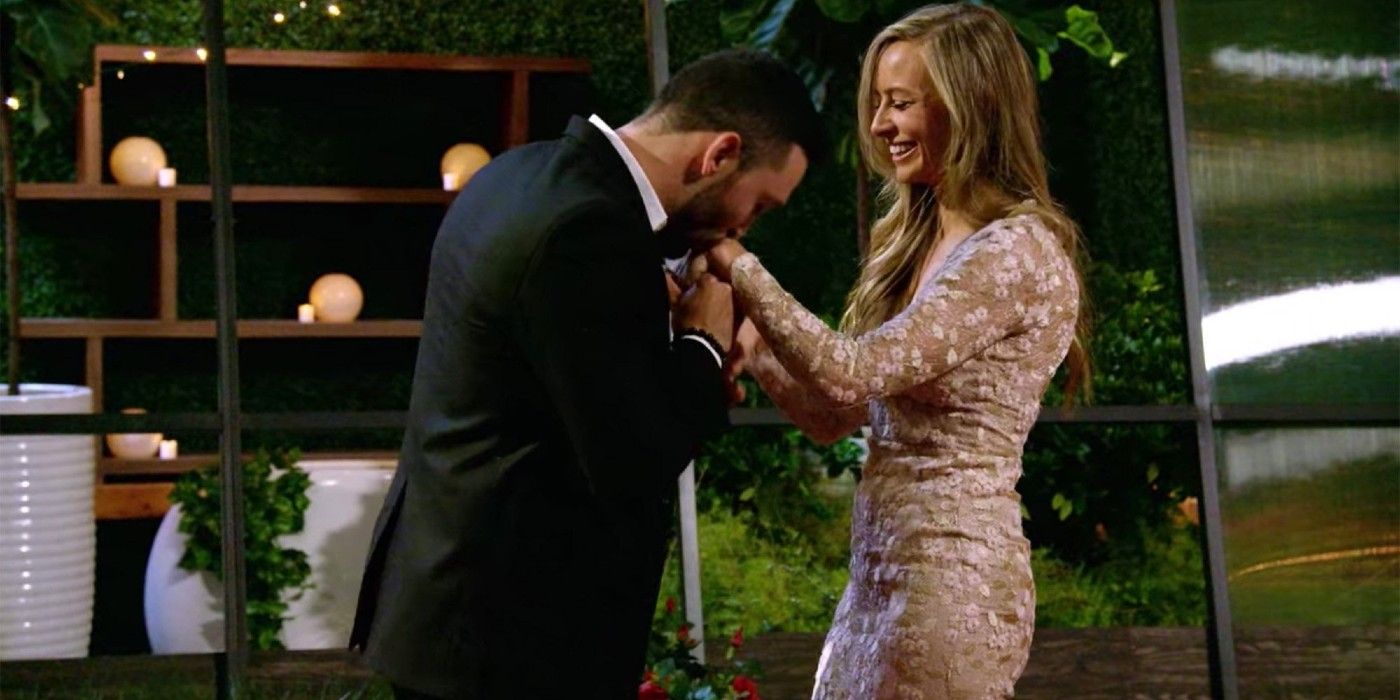
It has been years. Since the first season of Love Is Blind dropped on Netflix and basically broke the internet, we've seen dozens of couples walk down the aisle—or run away from it. But honestly? Nobody quite haunts the cultural memory of reality TV like Mark and Jessica from Love Is Blind. It was the car crash we couldn't look away from. You remember the wine-drinking dog? The 10-year age gap that Jessica Batten mentioned roughly every four minutes? Mark Cuevas’s wide-eyed optimism that felt, to many viewers, like a recipe for disaster?
That season was lightning in a bottle.
People still argue about it in Reddit threads and TikTok comments. Was Jessica the villain? Was Mark actually as innocent as he looked? When you strip away the dramatic editing and the "I'm 34 and he's 24" repetitive dialogue, you find a much messier, much more human story about two people who were fundamentally mismatched but forced to play out a romantic comedy—or tragedy—under the glare of studio lights. It wasn't just about the age gap. It was about compatibility, timing, and the weird pressure cooker of a social experiment that asks people to commit to forever before they've even seen each other's bathrooms.
The Age Gap Obsession and the Wine Dog Moment
Let’s get the big things out of the way first because they define the legacy of Mark and Jessica from Love Is Blind. Jessica was 34. Mark was 24. In the real world, a decade isn’t a massive chasm, but in the world of the pods, Jessica treated it like she was dating a toddler and she was a senior citizen. It became her shield. Every time she felt a lack of "spark" or realized she was still pining for Matt Barnett (who eventually married Amber Pike), she retreated to the age argument.
It was a defense mechanism.
Then came the dog. If you watched the show, you know the scene. Jessica is sitting on the floor, talking about her feelings, and she casually lets her golden retriever, Payton, take a massive lap of red wine from her glass. It was the "meme heard 'round the world." It painted Jessica as someone spiraling, though she later explained in interviews that she didn't even realize she had done it in the moment because she was so stressed. That’s the thing about reality TV: one weird five-second clip can define your entire personality for millions of strangers.
What the Cameras Didn't Show You
Reality TV is a curated version of the truth. While we saw Jessica struggling to find Mark attractive and Mark "fighting" for the relationship, the reality was significantly more complex.
Jessica has since been very vocal about the fact that she tried to leave the show early. Multiple times. According to her, the production team encouraged her to stay to see the process through. Imagine being stuck in a house, then an apartment, with someone you know you aren't going to marry, all while being filmed 24/7. That kind of environment breeds the exact kind of "mess" that makes for great television but terrible mental health. She wasn't just "undecided"; she was checked out, but the contract kept her in the frame.
Mark, on the other hand, was portrayed as the ultimate "nice guy." He was the one trying. He was the one cooking. He was the one ready to say "I do." But the "After the Altar" specials and subsequent social media fallout painted a different picture.
The Post-Show Fallout
The drama didn't stop when the cameras went dark. In fact, that's when it got truly toxic. After the show aired, rumors and eventually confirmations surfaced about Mark’s behavior during and after filming.
- The Infidelity Allegations: During the reunion and subsequent interviews, it was revealed that Mark had allegedly been seeing someone else during the filming of the "After the Altar" special, and possibly even while the show was still fresh.
- The LC Factor: Lauren "LC" Chamblin, another Season 1 contestant, revealed she had been dating Mark after the show, only to find out through Reddit that he was seeing someone else.
- The Narrative Flip: This changed everything for fans. Suddenly, Jessica wasn't the sole "villain" for being distant. People started to wonder if her intuition was actually spot-on. Maybe she sensed that Mark wasn't the "hopeless romantic" he claimed to be on screen.
It’s a classic example of why we shouldn't trust the edit. Mark looked like the victim of a woman who couldn't get over another man, but the reality was two people who were both playing parts in a show that was rapidly spinning out of control.
Where Are Mark and Jessica Now?
If you’re looking for a happy ending, you actually find it—just not with each other. This is probably the most "actionable" takeaway from their saga: sometimes, the person you think is your "soulmate" in a vacuum is actually just a lesson you had to learn in front of millions of people.
Jessica Batten underwent a total image transformation in the eyes of the public. She moved to California, stepped away from the reality TV limelight for a bit, and eventually met Benjamin McGrath, a doctor. They got married in 2022 and have since welcomed a son. If you look at her life now, it’s the picture of stability. She seems happy. She seems settled. The "messy Jessica" from 2020 feels like a distant relative of the woman she is today.
Mark Cuevas also moved on. He’s now a father and is married to Aubrey Rainey. They have two sons. Mark’s brand shifted heavily into the "fitness and fatherhood" space. While he stayed relatively quiet about the specific allegations made by LC and others, he focused on building a family life away from the Love Is Blind shadow.
Why We Still Care About Mark and Jessica
There is something visceral about watching two people fail at communication. Mark and Jessica from Love Is Blind represented the two biggest fears people have in dating:
- Being with someone who is secretly in love with someone else (Jessica’s Barnett obsession).
- Being with someone who says all the right things but whose actions don't match up (the Mark "Nice Guy" facade).
It was a masterclass in "sunk cost fallacy." They both felt they had to keep going because they had already committed to the "pods" process. They felt the weight of the cameras. They felt the need to provide a narrative. When Jessica finally said "I don't" at the altar, it wasn't a shock to anyone watching, but it was a massive relief.
The Lesson for Reality TV Consumers
We have to acknowledge the E-E-A-T (Experience, Expertise, Authoritativeness, and Trustworthiness) of the situation. Psychologists who have analyzed the show often point to the "forced intimacy" of the pods. When you remove physical touch and visual cues, you create a false sense of deep connection. You fall in love with a voice and a version of a person they are choosing to project.
When Mark and Jessica hit the real world, the projection cracked. Mark’s youth—which Jessica was so worried about—manifested not necessarily in his age, but in his lack of readiness for the actual work of a complicated relationship. Jessica’s "instability" was largely a reaction to being trapped in a situation that didn't feel right.
Moving Forward: Lessons from the Pods
If you find yourself obsessed with the old drama of Season 1, or if you're currently navigating the messy world of modern dating, there are some genuine takeaways from the Mark and Jessica saga.
First, trust your gut. Jessica was crucified for her hesitation, but she was right. If the spark isn't there, and you find yourself looking for excuses (like an age gap), it’s because the foundation isn't solid. You can't talk yourself into loving someone just because they look good on paper or because you like their family.
Second, recognize that "The Nice Guy" isn't always the right guy. Mark played the role of the jilted lover perfectly, but the post-show revelations proved that he was just as flawed as anyone else. In dating, consistency matters more than grand gestures at an altar.
Finally, remember that people change. The Jessica Batten we saw drinking wine with her dog was a person under extreme duress. The Jessica we see now is a mother and a wife who found what she was looking for when she stopped trying to force it in front of a camera crew.
To truly understand the impact of Mark and Jessica from Love Is Blind, you have to look past the memes. You have to see it as a cautionary tale about the dangers of "blind" faith in a process that is designed for entertainment first and matches second.
If you're looking to apply these lessons to your own life, start by auditing your own relationship red flags. Are you ignoring your intuition because you're "supposed" to be happy? Are you staying in something because of the time you've already invested? If the answer is yes, take a page out of Jessica’s book: it’s better to say "I don't" and face the temporary heat than to say "I do" to a life that doesn't fit.
Check out the "Love Is Blind: After the Altar" specials on Netflix for the full timeline of the fallout, and follow Jessica’s social media for a look at how to successfully pivot after a "villain" edit.