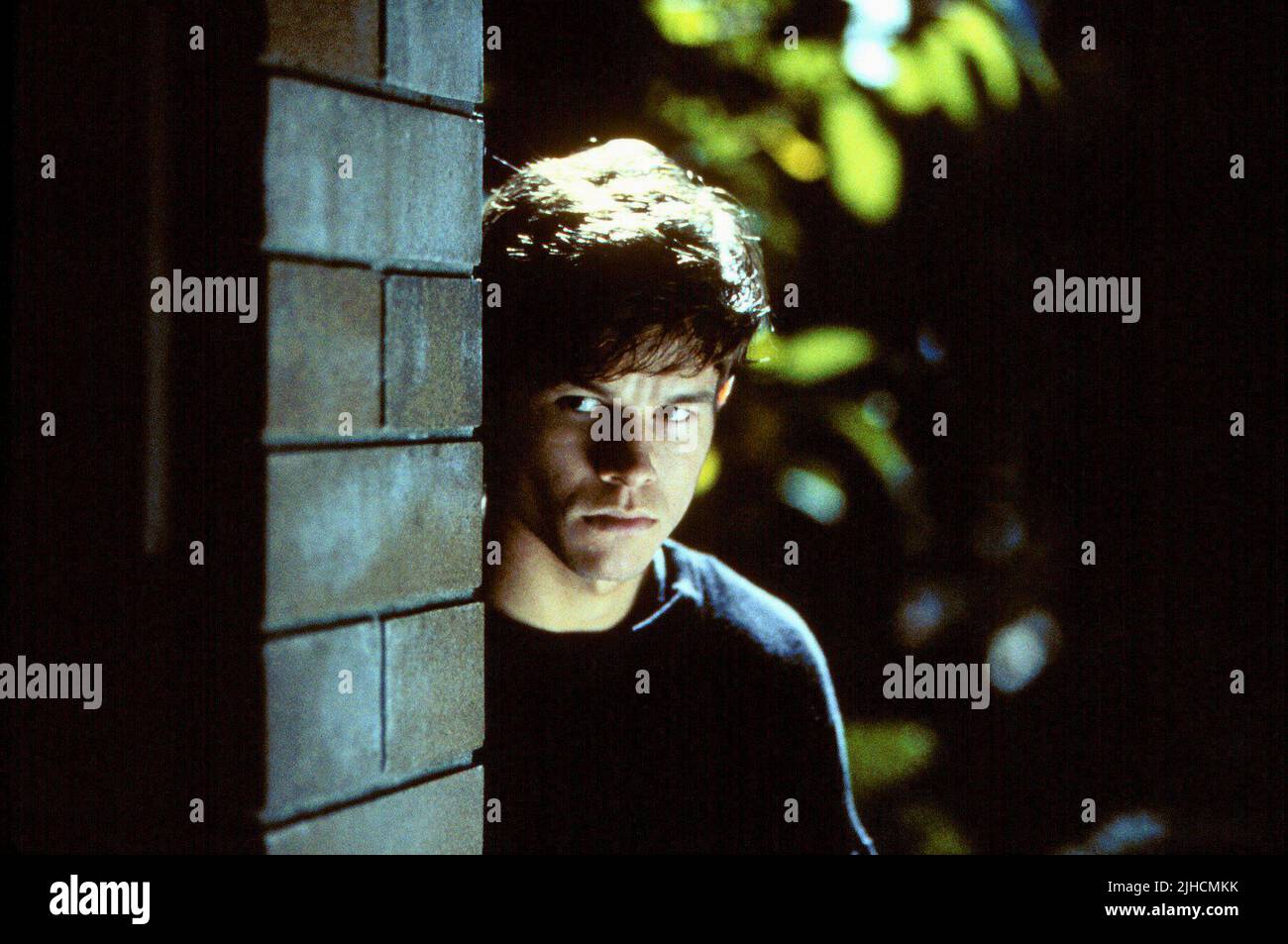
Mark Wahlberg has spent the last three decades playing the hero. He’s been the tough-as-nails Boston cop, the brave Navy SEAL, and the guy who hangs out with a talking teddy bear. But if you grew up in the 90s, you know that before he was an A-lister, he was the guy who made us all terrified of the front door peephole. Honestly, his role in the 1996 thriller Fear is probably the most electric thing he’s ever done.
It’s weird to think about now, but in 1996, Marky Mark was a punchline. People knew him for the Funky Bunch and those Calvin Klein underwear ads where he looked like he hadn't eaten a carb since 1990. He wasn't an "actor" yet. Fear changed that overnight. It took that "bad boy" image and turned it into something truly sinister.
Mark Wahlberg Fear 1996: The Role Leonardo DiCaprio Almost Had
Believe it or not, the role of David McCall wasn't originally supposed to go to Wahlberg. The studio wanted Leonardo DiCaprio. They were desperate for Leo, who was already a massive star. But Leo didn't think he was right for the part.
Instead of just saying "no," he did his buddy a solid. He told director James Foley to look at Mark Wahlberg. They had just worked together on The Basketball Diaries, and Leo saw something in him that the rest of the world hadn't yet—a raw, dangerous edge that wasn't just for show.
Foley wasn't convinced. He actually thought DiCaprio was crazy. But Wahlberg came in to audition for one of the sidekicks, and since that character barely had any lines, he ended up reading for David. He didn't just read the lines; he owned them. Foley was so impressed that he reportedly threatened to quit the movie if the studio didn't let him cast Wahlberg as the lead. It was a massive gamble that paid off.
That Rollercoaster Scene and the "Wild Horses" Controversy
You can't talk about Fear without talking about the rollercoaster. It’s the scene everyone remembers, and for a lot of people, it was their sexual awakening. Set to a cover of The Rolling Stones’ "Wild Horses," it’s a weirdly hypnotic, high-stakes moment that shouldn't work, yet it’s the emotional peak of the film.
But behind the scenes, things were a bit tense. Reese Witherspoon, who was only 19 at the time, wasn't exactly thrilled with the scene's explicit nature. Director James Foley pushed for it because he wanted to show how fast the relationship was moving—that "zero to sixty" obsession David had.
Wahlberg and Witherspoon were actually dating in real life during the shoot, which added a layer of chemistry that you just can't fake. It made the transition from "dream boyfriend" to "psychotic stalker" feel so much more visceral. You're rooting for them, and then suddenly, you're terrified for her.
Why David McCall Was a One-and-Done Villain
One of the strangest things about Wahlberg's career is that he never played a villain like this again. He was nominated for an MTV Movie Award for Best Villain (he lost to Jim Carrey in The Cable Guy, which is kind of hilarious in retrospect), but he immediately pivoted to more heroic or "charming rogue" roles.
Maybe it was because David McCall was a little too believable.
David wasn't just a movie monster. He was a specific kind of 90s nightmare—the "wolf in sheep’s clothing." He was polite to the mom, charming to the friends, and a absolute sociopath the moment the dad, played by William Petersen, looked away.
The most iconic moment? That would be David hitting himself in the chest to frame Steve for an assault. It was such a manipulative, "small" act of evil that it felt more threatening than any slasher movie mask. And then, of course, there’s the "Let me in the f***ing house!" line. That take was actually supposed to be a joke, but producer Brian Grazer loved it so much he insisted it stay in.
A Quick Breakdown of the Fear (1996) Legacy:
- Budget: $6.5 million
- Box Office: $20.8 million (A total sleeper hit)
- Director: James Foley
- The Soundtrack: Featuring Bush and The Sundays, it’s a total 90s time capsule.
- The House: Most of the movie was filmed in Vancouver, even though it’s set in Seattle. That "fortress" house is a real place on Howe Sound.
The 2026 Perspective: Why We’re Still Talking About It
It’s been 30 years since David McCall first lurked in the bushes of the Pacific Northwest. Critics at the time mostly hated it. Gene Siskel called it "predictable trash." But Roger Ebert actually gave it a thumbs up, recognizing the genuine psychological tension.
Nowadays, it's a cult classic. We see it as the bridge between "Marky Mark" and the Oscar-nominated actor we know today. Without the intensity he showed in Fear, we probably don't get Boogie Nights a year later.
If you’re looking to revisit this 90s staple, keep an eye on how Wahlberg uses his voice. He’s got that soft, Boston-tinged lilt that makes David feel like a guy you might actually meet at a party—until the switch flips. It’s a masterclass in "quiet" acting that turns into total mayhem by the third act.
How to Watch and What to Look For
If you haven't seen it in a while, it's worth a rewatch for the sheer 90s aesthetic alone. Look for the Chucky doll in David's room—a little nod to his "grown-up Chucky" persona.
Pay attention to the power struggle between David and Steve. It’s not just a thriller; it’s a movie about a father’s loss of control. The ending might be over-the-top, but the build-up is surprisingly grounded in real-world fears about who our kids are actually hanging out with.
To get the most out of your rewatch, look for the film on major streaming platforms like Peacock or rent it on VOD. Focus on the scene where David first meets the family—it’s a masterclass in manipulative body language that Wahlberg has rarely repeated in his later "good guy" roles.