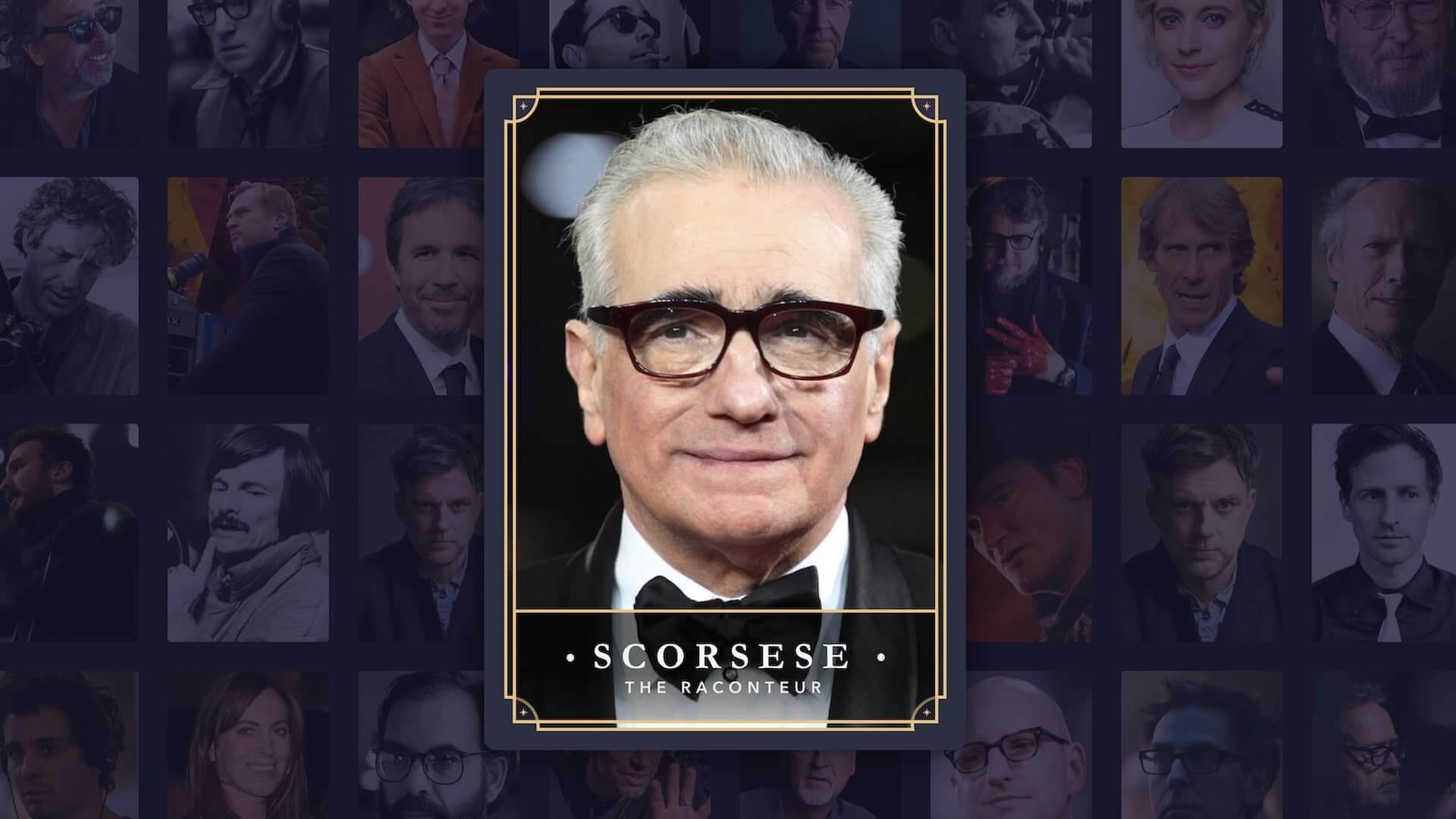
You know those movies that just sort of sit in the back of your brain, humming quietly long after the credits roll? That is exactly what happens with the Martin Scorsese film Silence. It’s not a "fun" watch. Honestly, it’s brutal. But it’s probably the most personal thing the man has ever put on screen.
Back in 2016, when it first hit theaters, the world didn’t really know what to do with it. It didn’t have the kinetic, cocaine-fueled energy of The Wolf of Wall Street. It wasn't a sleek gangster epic. Instead, it was this massive, 161-minute meditation on a Jesuit priest losing his mind—and his faith—in 17th-century Japan. It bombed at the box office, grossing only about $24 million against a $50 million budget. People called it "boring" or "too long." They were wrong.
What Most People Get Wrong About Silence
There’s this common misconception that Silence is just a "religious movie" made for a niche Catholic audience. That couldn't be further from the truth. While Scorsese spent nearly 30 years trying to get this adaptation of Shūsaku Endō’s novel off the ground, he wasn't trying to preach. He was trying to figure something out for himself.
The story follows two young priests, Rodrigues (Andrew Garfield) and Garupe (Adam Driver), who sneak into Japan to find their mentor, Father Ferreira (Liam Neeson). Rumor has it Ferreira committed apostasy—meaning he renounced his faith—after being tortured.
Here’s the thing: the movie isn't really about whether God exists. It’s about the crushing weight of God’s perceived absence. When Rodrigues watches Japanese Christians being drowned in the tide or bled out over pits, he screams for a sign. He gets nothing. Just the sound of the wind and the waves. That’s the "silence." It’s terrifying.
The Brutal History Behind the Lens
Scorsese didn't just make up the suffering for drama. The "Hidden Christians" (Kakure Kirishitan) were a real group. After the Shimabara Rebellion in the late 1630s, the Tokugawa shogunate decided Christianity was a colonial virus. They didn't just kill Christians; they tried to break them.
The film shows the fumie—these bronze images of Christ or the Virgin Mary that suspects were forced to step on. If you stepped, you lived. If you refused, you died in ways that make Saw look tame. We’re talking about the ana-tsurushi, where people were hung upside down in pits, with a small cut behind their ear so their heads wouldn't explode from the blood pressure. They’d hang there for days.
Why the Martin Scorsese Film Silence Still Matters Today
In a world of 15-second TikToks and instant gratification, a movie that asks you to sit in a damp, foggy Taiwanese forest (where it was actually filmed) for three hours feels like a big ask. But it’s essential.
The performances are career-best levels of intense. Andrew Garfield lost about 40 pounds for the role. He actually went on a silent Jesuit retreat in Wales before filming. You can see it in his eyes; he looks hauntingly thin and spiritually frayed. Adam Driver looks like a ghost. But the real standout? Issei Ogata as the Inquisitor, Inoue. He’s charming, witty, and absolutely terrifying because he’s not a "movie villain." He’s a bureaucrat doing a job.
A Masterclass in Visuals (and No Music)
One of the weirdest—and coolest—things about the Martin Scorsese film Silence is the soundtrack. Or the lack of one. There is almost no traditional musical score. Instead, you get a "soundscape" designed by Kim Allen Kluge and Kathryn Kluge.
- The buzzing of cicadas that sounds like static.
- The rhythmic thumping of the ocean.
- The sound of breathing in a cramped hut.
It makes the whole experience feel claustrophobic. You’re trapped in the mud with these characters. When a sound finally does break through, it hits like a physical punch.
The Controversy of the Ending
If you haven't seen it, I won't spoil the very last shot, but let’s just say it caused a massive rift in the religious community. Some critics argued the film celebrates "weakness" because it shows a priest giving in to save others. Others saw it as the ultimate act of Christian sacrifice—giving up your soul to save someone else’s body.
Basically, the movie asks: Is your faith a public badge of pride, or is it something private that nobody can take away, even if you spit on a cross?
Actionable Insights for Your Next Rewatch
If you’re planning to dive into Silence for the first time, or if you’re giving it a second chance, here’s how to actually digest it:
- Read the context first. Spend five minutes looking up the history of the 26 Martyrs of Japan. It makes the stakes feel much heavier when you realize these weren't just "characters."
- Watch it in the dark. This sounds cliché, but the cinematography by Rodrigo Prieto (who got the film's only Oscar nom) uses natural light and shadows in a way that gets lost on a bright phone screen.
- Don't look for a hero. Rodrigues is arrogant. He thinks he’s a martyr. The movie is about his ego being stripped away until there’s nothing left.
- Pay attention to Kichijiro. He’s the guy who keeps betraying the priests and then coming back for confession. He’s the most "human" person in the movie. We all like to think we’d be the hero, but most of us are probably Kichijiro.
The Martin Scorsese film Silence didn't need to be a hit to be a masterpiece. It’s a film that demands your attention and offers no easy answers. In 2026, it feels even more relevant as we struggle with questions of identity and what we truly believe when everything else is stripped away.
To get the full experience, try pairing your viewing with a read of Shūsaku Endō’s original 1966 novel to see where the director stayed faithful and where he chose to let the camera do the talking.