So you’ve finally rolled the credits on the main story and think you’re a master hunter. Honestly, that’s where the real game actually starts. If you’ve played World or Rise, you probably think you know the deal with tempered monsters. You expect a shiny purple icon, a damage boost, and maybe some better decorations.
But in Monster Hunter Wilds, Capcom changed the rules.
It isn't just about bigger numbers anymore. It’s about "Battle Scars." This new mechanic fundamentally shifts how you approach the endgame, and if you're still playing like it’s 2018, you’re going to get flattened by a Tempered Rey Dau before you even see the blue glow.
Why Monster Hunter Wilds Tempered Monsters are Different This Time
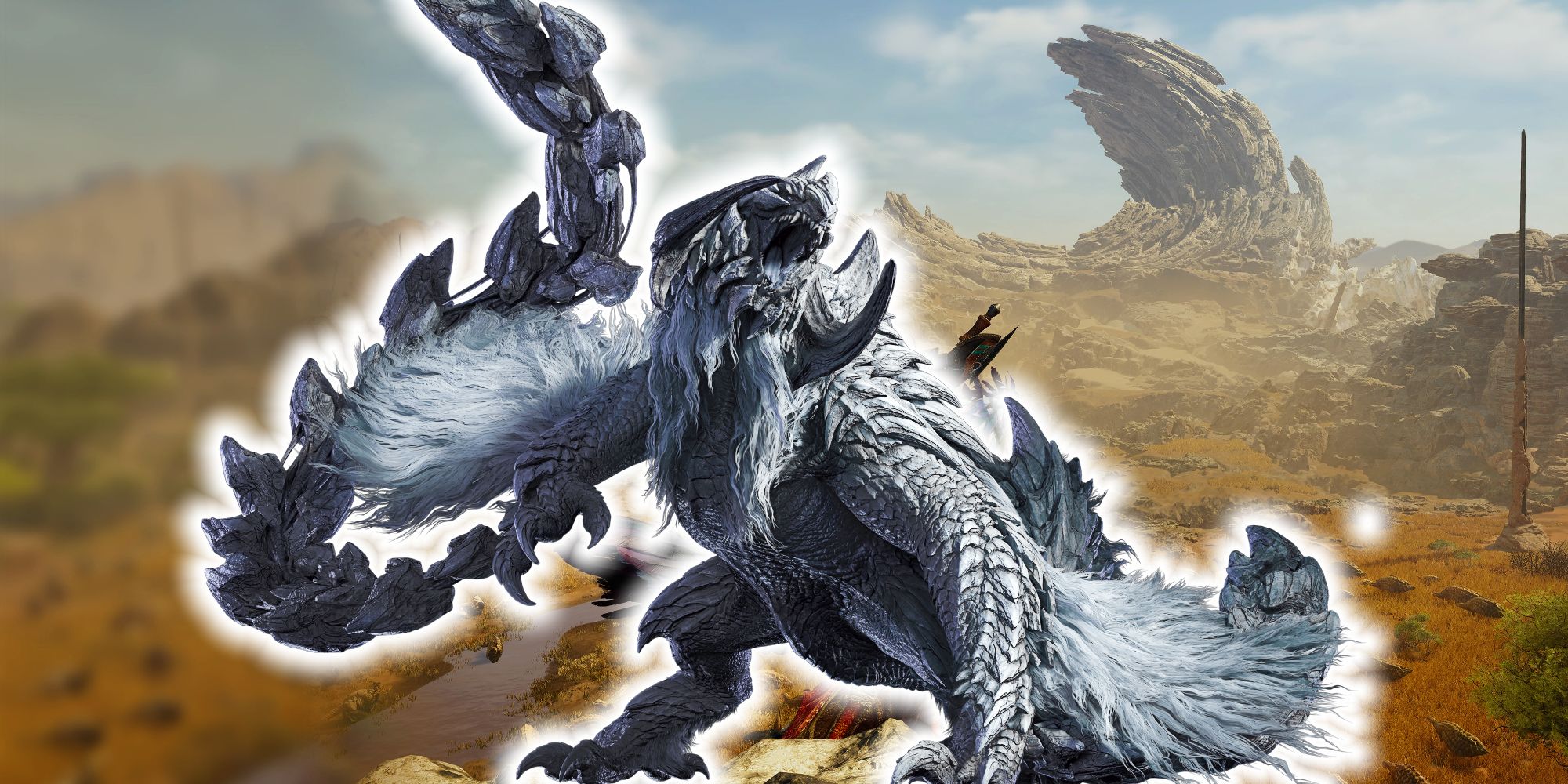
The biggest shock for most players reaching the post-game is the "Battle Scar" system. In previous titles, a tempered monster was basically the same beast with a meaner disposition. In Wilds, these creatures are explicitly described as battle-hardened survivors. They have literal wounds that glow with a distinct blue energy.
You can’t just ignore these.
When you enter Focus Mode, these scars become your primary targets. Breaking them doesn't just give you a satisfying "crunch" sound; it’s the only way to reliably farm the new high-end materials like Wyverian Bloodstones and those elusive Weapon Shards.
If you aren't aiming for the glow, you're basically leaving half the loot on the table.
The Brutal Reality of the Post-Game Difficulty Spike
Let’s be real: the jump from High Rank to Tempered hunts in Wilds is sort of insane. You’ll first run into this wall in Chapter 4 of the post-game during a quest called "Wyvern Spark and Rose Thorns." You’re sent after a Tempered Lala Barina in the Ruins of Wyveria, and it’s a wake-up call.
One mistake? Half your health is gone. Two mistakes? See you back at camp.
I’ve seen plenty of veterans on Reddit complaining that the 9-star tempered monsters are "unfair" because they can two-shot you even in maxed-out Arkveld armor. Is it a skill issue? Maybe a little. But the aggression levels are genuinely higher. They have more stamina, they stay enraged longer, and they don't give you those nice long breathing windows you got in the early game.
How to Actually Unlock and Track Them
You don't just stumble onto these guys right away. You have to finish the story first. Once you hit that Chapter 4 milestone I mentioned, the world opens up.
- Look for the Purple Hue: When you’re out on an expedition, keep an eye on the environment overview. If you see a monster icon with a purple-hued energy signature, that’s your target.
- Spend Those Guild Points: If you find a tempered monster in the wild, don’t just kill it and leave. You can actually spend 200 Guild Points to save that specific encounter as an Investigation. This is huge for farming.
- The Rank 100 Wall: Some of the nastiest stuff, like Tempered Rathalos roaming the Scarlet Forest or the Oilwell Basin, won't even show up until you hit Hunter Rank 100.
Basically, the game expects you to live in the "Field Survey" menu.
The Artian Weapon Grind is the Real Endgame
Why put yourself through this torture? It’s all about the Artian Weapons. These things are arguably the most powerful gear in the game right now, but they follow a totally different crafting logic than the standard trees.
To craft an Artian piece, you need three Weapon Shards of the same rarity. These shards are rare drops from tempered monsters. If you're unlucky, you might have to hunt a Tempered Gore Magala five or six times just to get one shard.
It’s a grind. No way around it.
The good news is that the Artian armor looks incredible—it’s that high-tech, ancient civilization aesthetic that we haven't seen featured this prominently in years. Plus, if you're struggling with the damage, the new Guard Up skill levels (which now reduce damage even when you're just blocking) are almost mandatory for shield users facing 9-star threats.
Surviving the "Frenzy" Overlap
As if tempered monsters weren't enough, Capcom decided to bring back the Frenzy Virus too. Sometimes you’ll find a monster that is both tempered AND frenzied.
It’s a nightmare.
These fights are erratic. The monster’s speed varies wildly, making your parry timings feel "off." If you get infected and don't deal enough damage to overcome it, your natural recovery stops, and you take way more damage from the tempered hits. It forces you to play aggressively in a situation where you’d normally want to play it safe.
Actionable Tips for Your Next Tempered Hunt
If you're tired of triple-carting, try changing your prep.
First, stop ignoring the "Inclemency" weather patterns. Certain tempered monsters, like the regional apexes, are way more dangerous during storms, but they also drop better loot. If you’re struggling, use the tent to rest and wait for better conditions or "Morning" light to reset the spawns.
Second, slot in Divine Blessing. Honestly, at 9-star difficulty, Defense Boost is a trap. You need that percentage-based damage reduction to survive the big hits from things like Arch-tempered Jin Dahaad (when those event quests finally rotate in).
Finally, use the Slinger more. In Wilds, the environment is your best friend. In the Ruins of Dragon Valley arena, there are lever-activated walls. Use them. They aren't just for show; they’re there to give you the three seconds of safety you need to sharpen your weapon or chug a Max Potion.
The tempered grind is meant to be the ultimate test of your patience and your build. It’s frustrating, it’s sweaty, but there’s nothing quite like finally breaking that last blue Battle Scar and seeing a Wyverian Bloodstone pop up in the rewards screen.
Check your current Hunter Rank—if you're below 100, focus on multi-target Investigations to power-level so you can unlock the higher-tier Tempered Rathalos and Gore Magala spawns.