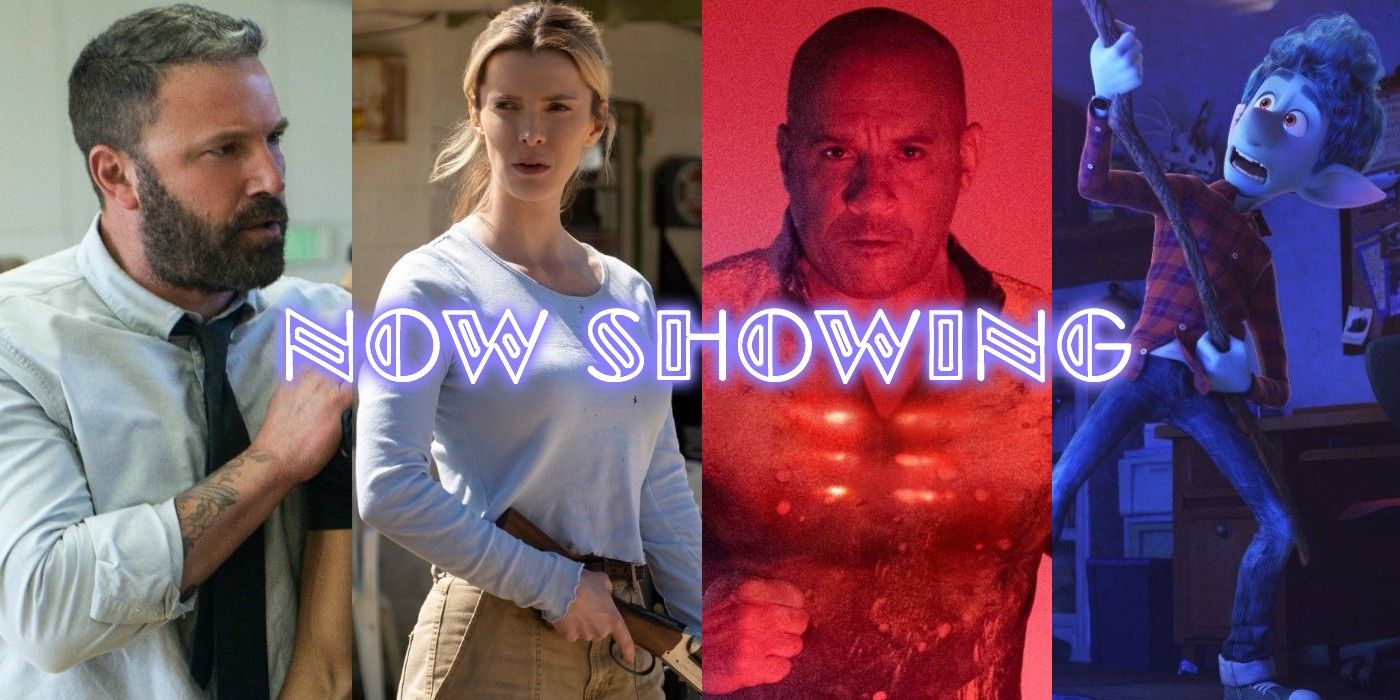
You probably missed them. It happens to the best of us—you see a trailer, you think, "I definitely need to see that on the big screen," and then life gets in the way. Suddenly, it's three weeks later, you check the local listings, and your favorite cinema has replaced that indie darling or even a mid-budget blockbuster with three extra screenings of a superhero sequel. Movies recently left theaters move at a breakneck pace now. Gone are the days when a film would linger for months; the "theatrical window" has shrunk so much it's practically a porthole.
If you're looking for Gladiator II or Wicked and finding the showtimes are drying up, you aren't imagining things. The industry is in a weird spot.
The reality of the 2024-2025 release cycle is that if a movie doesn't hit its internal "multiplier" targets within the first 17 to 31 days, it's effectively dead to exhibitors. Theater owners are cutthroat because they have to be. They pay the bills with popcorn and soda, not the ticket revenue itself (which mostly goes back to the studios anyway). When a film stops packing seats, it's out. But "out" doesn't mean gone. It just means the journey has shifted to PVOD (Premium Video on Demand) or streaming. Honestly, keeping track of where these films land is a full-time job.
Why Some Movies Recently Left Theaters Faster Than Others
The "windowing" strategy is the biggest culprit here. Studios like Universal and Warner Bros. have specific deals with AMC and Regal. Basically, if a movie opens under a certain dollar amount—usually around $50 million—the studio can put it on digital rental platforms as early as 17 days after the theatrical debut.
Look at what happened with The Fall Guy or even Furiosa: A Mad Max Saga. These were massive, sprawling spectacles. Yet, they were available to rent in your living room while the posters were still fresh on the theater walls. It's a double-edged sword. You get the convenience of your couch, but the "must-see" urgency of the theater is dying a slow death.
The "Dead Zone" Phenomenon
There is this awkward period. A movie leaves the big screen, but it isn't on Netflix or Max yet. It's in the "rental purgatory" where you have to shell out $19.99 to see it. Most people balk at that price. They wait. And by the time it hits a subscription service, the cultural conversation has moved on to the next big thing. This is exactly why mid-range dramas are struggling. If you aren't an "event," you're a "wait-for-streaming" title, and that label is a death sentence for box office longevity.
Tracking the Latest Departures: What You Just Missed
Let's get specific about the heavy hitters that have recently packed up their projectors.
Moana 2 and Wicked dominated the late 2024 landscape, but as we push into early 2025, those screens are being handed over to the next wave of January "dump month" horror and prestige Oscar leftovers. If you were looking for Red One, the Rock's holiday action flick, you'll find it's mostly cleared out. That film is a prime example of the new model. It’s an Amazon MGM project. Its theatrical run was essentially a massive marketing campaign for its eventual home on Prime Video.
Then you have the smaller, more tactical exits.
- The Prestige Departures: Films like Conclave or Anora often have "staggered" exits. They leave the big chains but hang on in boutique "Arthouse" theaters for months. If you can't find them at an AMC, check your local independent cinema.
- The "Flop" Fast-Track: When a movie like Joker: Folie à Deux underperforms, it vanishes almost instantly. Studios want to recoup losses through digital sales as fast as humanly possible to satisfy shareholders.
- The Seasonal Shift: Christmas movies have the shortest shelf life. The second January 2nd hits, those films are pulled to make room for the "New Year, New Me" crowd.
The Streaming Transition: Where Do They Go?
Understanding where movies recently left theaters end up requires knowing which studio owns what. It's a fragmented mess.
Disney/Marvel/Pixar: These almost always land on Disney+. However, there is usually a 45-to-90-day gap. If a movie is a massive hit (like Inside Out 2), Disney will stretch that theatrical-only window as long as possible. If it’s a niche title, expect it on Disney+ sooner.
Warner Bros.: These go to Max. They used to have a "45-day rule," but they’ve since abandoned it for a "case-by-case" basis. Essentially, if a movie is still making money, they’ll keep it off Max.
Universal: They are the kings of the 17-day window. They have a deal where they share PVOD revenue with theaters, which is why you see their movies available for digital rental so quickly. Eventually, they land on Peacock.
Paramount: They generally head to Paramount+, though they’ve been known to license things out to Netflix later on to make extra cash.
The High Cost of Missing Out
There's a psychological component to movies recently left theaters. We've become conditioned to think that everything will be available forever. It won't. Licensing agreements are fickle. A movie might leave theaters, hit Peacock for three months, and then disappear entirely for a year because of a pre-existing deal with a cable network like FX or HBO.
This "digital scarcity" is real. If you see a movie you like has left theaters, your best bet is to check a site like JustWatch or Reelgood. These are essential tools now. They track the shifting sands of streaming rights in real-time. Without them, you're just clicking through five different apps hoping to find what you're looking for.
Why Word-of-Mouth is Failing
Social media has ruined the "slow burn" hit. In the 90s, a movie could stay in theaters for six months just on word-of-mouth. Today, if a movie isn't a viral sensation on TikTok by the Saturday of its opening weekend, theaters start cutting its showtimes by Monday.
It sucks for filmmakers.
Directors like Christopher Nolan and Denis Villeneuve have been vocal about this. They design these movies for IMAX, for the collective experience of sitting in the dark with strangers. When a movie leaves the theater after 21 days, that intent is lost. You're watching a $200 million epic on an iPad while folding laundry. The scale is gone. The sound design is compressed. The impact is halved.
Actionable Steps for the "Missed It" Crowd
If you realized the movie you wanted to see has recently left theaters, don't just give up. There are specific ways to catch up without waiting six months for a streaming release.
Check the "Second-Run" Houses
They still exist! Look for "discount theaters" or "dollar theaters" in your area. They often get movies about 4-6 weeks after the initial release. The tickets are cheaper, and while the seats might be a bit creaky, it’s still the big screen.
Set a Price Alert on CheapCharts
If you don't want to pay the $20 "Early Access" rental fee on Apple or Amazon, use an app like CheapCharts. You can set a notification for when the price drops to $5.99 or $4.99. This usually happens around the 60-day mark.
Library Rentals (The Secret Hack)
Seriously. Public libraries still stock Blu-rays and DVDs. Because of the way licensing works, physical discs often include "special features" that aren't available on streaming versions. Plus, it's free. Most libraries have an online catalog where you can put a hold on a new release the moment it hits the shelves.
The "Screening Room" Strategy
Some independent theaters host "encore screenings" months later, especially during award season (January-March). If a movie that left theaters in October gets an Oscar nomination, it will almost certainly return for a limited one-week run in February.
The landscape of movies recently left theaters is chaotic, but it’s manageable if you stop thinking of the "theater" as the only place to watch things and start thinking of it as the first stop in a very long journey. The theatrical window isn't closed; it's just moving faster than ever. Stay ahead of the schedule by checking the "Coming Soon" tabs on your theater's app, and if something looks even remotely interesting, go see it in the first ten days. Otherwise, you're at the mercy of the algorithms.
How to Stay Ahead of the Curve Next Time
To avoid missing out again, you should adopt a "First Two Weekends" rule. If a movie isn't a massive franchise entry like Avengers, its theatrical life is precarious.
- Follow Exhibitor Relations Co. on social media: They track box office numbers and "theatrical drop-off" rates, giving you a heads-up on which movies are about to be pulled.
- Use Fandango's "FanAlert": You can set alerts for specific movies so you get an email when tickets go on sale—and more importantly, a warning when showtimes are dwindling in your zip code.
- Understand the "Tuesday" Rule: Most theaters finalize their schedules for the upcoming week on Tuesday afternoons. If you don't see showtimes listed for a movie past Thursday, that's your sign it's leaving the theater.
By paying attention to these small industry cues, you can ensure you never have to settle for the "iPad version" of a cinematic masterpiece again.
Next Steps to Track Down Your Movie
- Check JustWatch: Enter the title of the movie you missed to see if it has transitioned to PVOD or a streaming service yet.
- Search local independent cinema calendars: These smaller venues often pick up "second-run" films that the major chains have dropped.
- Verify the studio: Determine if the movie is a Universal, Warner Bros., or Disney property to predict which streaming app it will eventually call home.