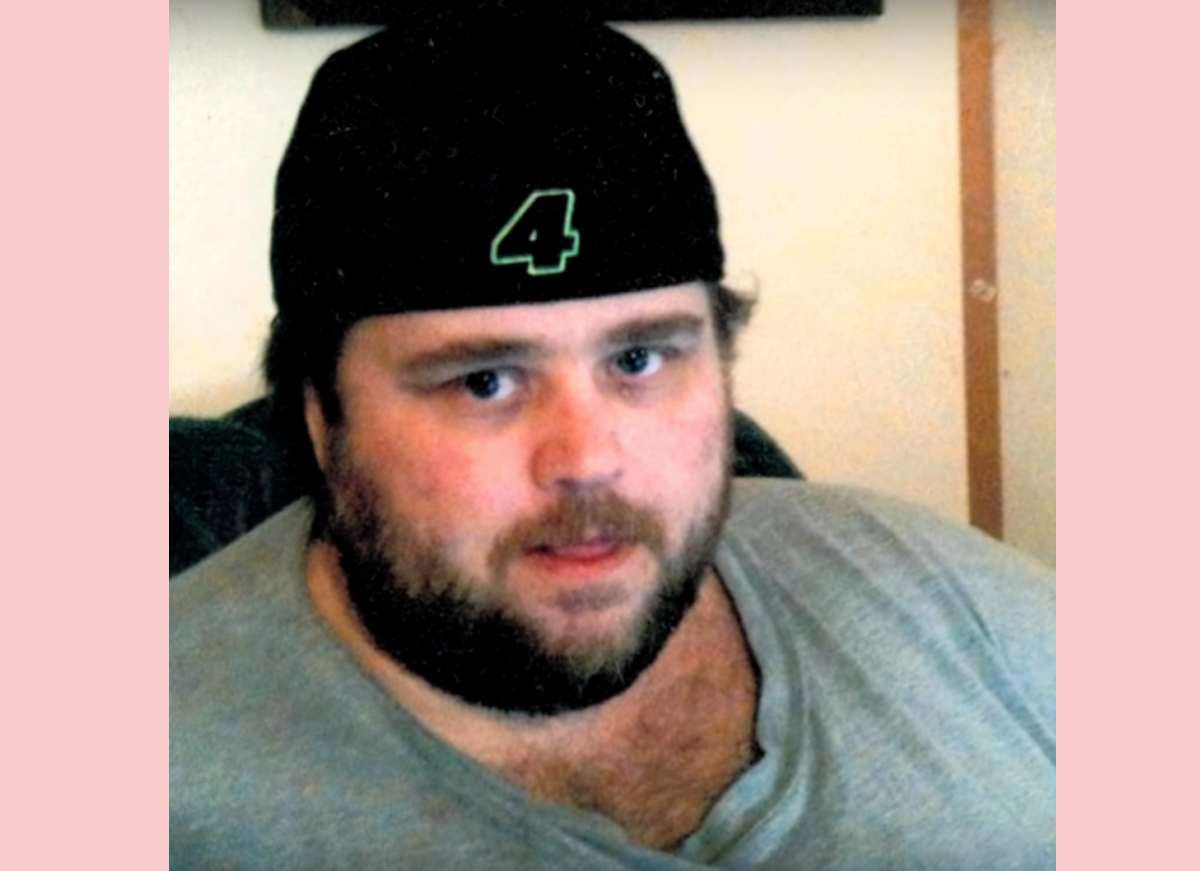
People still talk about James King. Even years after his passing, his episodes remain some of the most controversial, heartbreaking, and frankly frustrating hours of television ever aired on TLC. But you can't talk about James without talking about My 600-lb Life James King wife Lisa Raisor. She wasn't just a background character; she became a central figure in a narrative that challenged everything Dr. Younan Nowzaradan—"Dr. Now"—stands for in his Houston clinic.
James first appeared in Season 5. He weighed 791 pounds. By the time his follow-up aired, he had gained weight, eventually hitting 842 pounds. This was a first for the show. Most people lose something, even if they stumble. James went the other direction. Why? That’s where things get complicated. Lisa was his primary caregiver, his partner, and, in the eyes of many viewers and Dr. Now himself, his enabler.
The Role of Lisa Raisor in James King's Journey
Living with a 700-pound man isn't easy. It’s a 24/7 job involving cleaning, feeding, and emotional labor that most of us can’t even imagine. Lisa did it all. But the friction started when the "feeding" part of that equation didn't align with medical advice.
Dr. Now is famous for his "no-nonsense" 1,200-calorie, high-protein, low-carb diet. It’s strict. It’s boring. It’s designed to save lives. When James failed to lose weight—and actually gained massive amounts—Dr. Now didn't just look at James. He looked at Lisa. He famously accused her of "sneaking" him food.
There’s a specific scene that sticks in everyone’s mind. James is in a hospital bed, struggling, and Lisa is caught bringing him Chinese food. To the casual observer, it looks like sabotage. To someone living that reality, it’s often a desperate attempt to keep the peace. James would yell. He would manipulate. He would use his physical size and his health crises to demand the one thing that gave him comfort: food. Lisa was stuck between a doctor telling her to say "no" and a partner whose entire emotional stability relied on her saying "yes."
Breaking Down the "Enabler" Label
Is it fair to call her an enabler? Sorta. But it’s nuanced.
In the world of extreme obesity, the caregiver often suffers from a version of caregiver burnout mixed with a "peace at any price" mentality. Lisa Raisor wasn't just some villain in a reality show script. She was a woman who had been with James for years, through his health declines and his many hospitalizations.
The dynamic was toxic, sure. Dr. Now even called the Adult Protective Services (APS) at one point because he felt Lisa was actively killing James with food. That is a heavy accusation. It’s a moment that redefined how fans viewed My 600-lb Life James King wife Lisa. It moved the conversation from "supportive spouse" to "participant in a tragedy."
The Legal and Health Battles
James's health was a wreck. He suffered from severe lymphedema, which made his legs look like they were bursting. He had sepsis. He had kidney failure. Every time he went to the hospital, it felt like the end.
During these crises, Lisa was the one navigating the medical system. However, the tension between her and the medical staff in Houston was palpable. Dr. Now's frustration wasn't just about the calories; it was about the honesty. He felt she was lying to his face about what James was eating while James’s body was literally expanding before their eyes.
James King eventually passed away in April 2020 at the age of 49. He died at a hospital in Nashville. His death was a shock but, sadly, not a surprise to those who followed his journey. He left behind Lisa, six children, and 19 grandchildren. After he died, the public scrutiny on Lisa didn't really stop. People wanted to know how she felt, if she regretted the food choices, or if she felt she did her best.
Life for Lisa After My 600-lb Life
Since James’s passing, Lisa has mostly stayed out of the spotlight. You won't find her doing the reality TV circuit or posting constant updates on Instagram. She’s retreated back into a private life in Kentucky.
There were rumors, of course. Some fans speculated about her own health, while others criticized her for her role in James's decline. But grief is a weird thing. Regardless of the "enabling" or the Chinese food incidents, she lost the man she had spent a significant portion of her life with.
She had been his legs, his hands, and his source of comfort. When that’s gone, the void is massive, regardless of how complicated the relationship was.
What This Story Teaches Us About Addiction
Food addiction is just as real as heroin addiction. James King didn't want to die; he just couldn't stop eating. And Lisa didn't want him to die; she just couldn't stand to see him suffer through withdrawal.
That’s the core of the My 600-lb Life James King wife Lisa saga. It’s a case study in how addiction ripples out and affects the people closest to the addict. If you watch those episodes back-to-back, you see the exhaustion in Lisa’s eyes. You see a woman who has given up on the idea of a "normal" life and has settled into a survival mode where "survival" means whatever keeps James from screaming for the next hour.
Moving Forward: Actionable Insights for Caregivers
If you find yourself in a position where you are caring for someone with a severe addiction—whether it's food, alcohol, or anything else—there are things you have to do to avoid the trap Lisa fell into.
First, you have to realize that saying "no" is an act of love. It feels like cruelty in the moment. It feels like you’re hurting them. But if their "need" is killing them, providing it isn't support; it’s assistance in their decline.
Second, get outside help that isn't just medical. Lisa and James needed intensive psychological intervention as a couple. They needed a therapist who specialized in codependency and addiction, not just a surgeon. If you’re a caregiver, you need your own support system. You cannot be the only wall between a person and their self-destruction. You will crumble.
Finally, trust the experts. When Dr. Now told them exactly what was happening, they retreated into denial. If a specialist tells you that your actions are contributing to a loved one's illness, listen. It’s painful to hear, but it’s the only way to change the trajectory.
James King’s story is a tragedy. Lisa Raisor’s story is a complicated look at the cost of caregiving without boundaries. While the show focused on the scales and the surgery, the real story was always about the relationship between the two of them and the food that sat between them.
To truly understand the dynamics of recovery and caregiving, consider these steps:
- Educate yourself on codependency. Read books like Codependent No More by Melody Beattie to understand why you might feel the need to "fix" or "please" an addict.
- Establish Hard Boundaries. If a doctor sets a diet or a recovery plan, stick to it. No "cheat days" or "small treats" that undermine the medical goal.
- Seek Independent Therapy. Caregivers often lose their own identity. Talking to a professional can help you reclaim your space and set healthy limits without guilt.