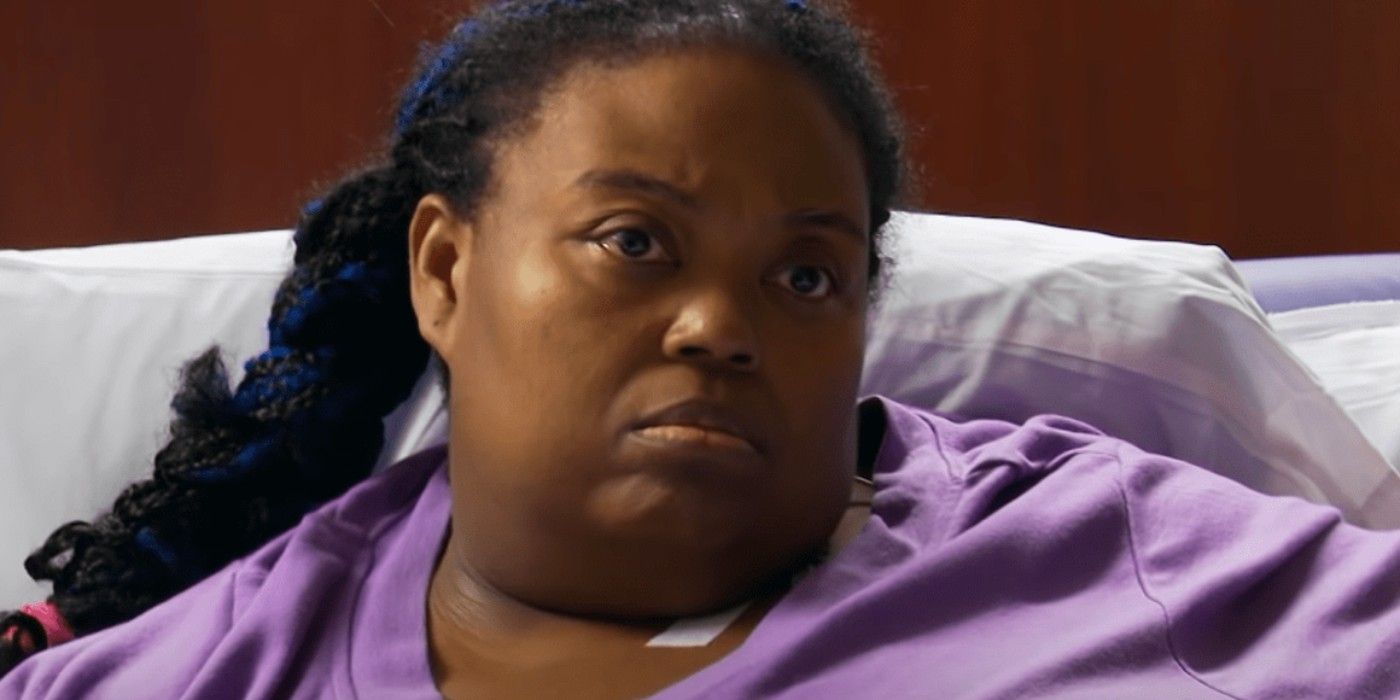
People still talk about Marla McCants. Years after her episode of My 600 lb Life Marla first aired, she remains one of the most memorable figures in the history of the TLC franchise. Why? Because her story wasn't just about a scale. It was about a woman who had essentially been "given up on" by the system and even, at times, by her own spirit. If you watched her debut in Season 3, you saw a woman pinned to her bed by 800 pounds of weight, unable to stand, let alone walk. It was brutal to watch.
But here is the thing about Marla: she survived things that would have broken most people.
The Trauma Behind the Weight
You can't talk about Marla without talking about her past. This wasn't a case of someone just liking food too much. Marla’s weight was a shield. She was held captive by an ex-boyfriend, a trauma so visceral and terrifying that she used food as a way to disappear into herself. When you carry that much emotional baggage, the physical weight almost feels like a secondary symptom.
By the time Dr. Nowzaradan met her, Marla was in a dire state. Her health was failing rapidly. She was living in Nashville, Tennessee, and the logistics of just getting her to Houston were a nightmare. Most viewers remember the tension in those early scenes. Dr. Now is famous for his "tough love," but with Marla, the stakes felt higher. He was genuinely worried she wouldn’t make it through the month.
Honestly, the show often edits these journeys to look like a straight line. It never is. Marla’s journey was jagged. It was messy. There were moments where she refused to get out of bed even after surgery, a behavior that frustrated Dr. Now to no end. He famously told her that she was "faking" her inability to stand because the fear of falling was paralyzing her. That's the part people get wrong—they think it’s just laziness. It’s not. It’s profound, deep-seated fear.
What Happened After the Cameras Stopped Rolling?
So, did she actually do it? Yes. And then some.
Marla McCants is widely considered one of the biggest success stories in the show’s history. While her starting weight was estimated near 800 pounds, she eventually dropped down to a range that allowed her to reclaim her life. We aren't just talking about losing 100 pounds. She lost over 500 pounds. Think about that. That is the weight of several adult humans gone from her frame.
The Turning Point in Houston
The surgery was only the beginning. Gastric bypass isn't a magic wand; it's a tool. For Marla, the real work happened in the months following her procedure. She had to move to Houston, leave her comfort zone, and face the reality that her daughter was essentially acting as a full-time caregiver.
There was a specific moment in her follow-up where she finally stood up. It was emotional. It was raw. It was the moment she stopped being a "patient" and started being a survivor again. She eventually moved back to Tennessee, but she didn't fall back into old habits. That is the "unicorn" scenario in the world of My 600 lb Life Marla—staying thin after the hype dies down.
Addressing the Rumors and the "Drama"
There has been some friction between Marla and the production company, Megalomedia. You might have heard about the lawsuits involving several cast members of the show. While Marla has been vocal about her experiences, she has focused more on her health and her advocacy than on the legal side of things lately. She’s mentioned in interviews that the show's editing didn't always capture the full reality of her medical state.
For example, she felt the show portrayed her as more "difficult" than she actually was regarding her physical therapy. From her perspective, she was in genuine, excruciating pain that wasn't just "in her head." It’s a common complaint among former cast members: the "villain edit" or the "lazy edit." Regardless of how the producers cut the footage, the results on the scale were undeniable. She put in the work.
Marla’s Life Today: A Total Transformation
If you look at Marla McCants today, you wouldn't recognize her. Seriously. She’s active on social media, often sharing photos where she looks stylish, healthy, and—most importantly—happy. She’s become a motivational speaker, using her platform to help others who are struggling with morbid obesity and the trauma that often causes it.
She isn't just "not 800 pounds" anymore. She is a grandmother who can actually play with her grandkids. She can go to the store. She can live a life that doesn't revolve around a bed and a bucket.
- Current Status: Living in Tennessee.
- Health: Maintaining a massive weight loss.
- Career: Health advocate and motivational speaker.
- Social Presence: Frequently posts updates to encourage others.
One of the most inspiring things about Marla is her transparency. She doesn't pretend it's easy. She talks about the loose skin, the need for further surgeries, and the daily mental battle to keep the weight off. It’s a lifelong commitment. You don't just "fix" addiction to food and call it a day. You manage it. Every single morning.
Why Marla’s Story Still Resonates
We see a lot of people on this show who don't make it. It’s heartbreaking. But My 600 lb Life Marla stands out because she was at the absolute brink. She was at the "end of the road" as Dr. Now puts it. Seeing her go from a state of total immobility to being a vibrant, walking, talking success story gives people hope.
It also highlights the importance of addressing the psychological roots of obesity. Marla didn't get to 800 pounds because she liked pizza. She got there because she was trying to survive a trauma. Once she started healing her mind, her body followed. That’s the lesson here. You can’t just cut the stomach; you have to heal the heart too.
What You Can Learn from Marla's Journey
If you’re looking at Marla’s story and wondering how it applies to your own life or the life of a loved one, there are a few concrete takeaways.
First, the environment matters. Marla had to change her surroundings and her support system's habits to succeed. Second, professional help is non-negotiable. Whether it’s a surgeon like Dr. Now or a therapist specializing in PTSD, you can't do this alone. Third, and maybe most importantly, you have to be willing to be "uncomfortable." Marla had to stand up when it hurt. She had to eat things she didn't want to eat. She had to face the world without her "shield" of weight.
Actionable Steps Based on Successful Weight Loss Journeys
If you or someone you know is struggling with extreme weight, the path Marla took offers a blueprint, even if you aren't going on a reality TV show.
- Seek Trauma-Informed Care: If your weight gain is linked to past abuse or trauma, standard dieting won't work. You need a therapist who understands the link between PTSD and eating disorders.
- Consult a Bariatric Specialist Early: You don't have to wait until you are 600 pounds to seek surgical or medical intervention. Early intervention saves lives and prevents the kind of skin issues Marla faced.
- Build a "No-Nonsense" Support Team: Marla’s daughter was vital, but she also had to learn not to enable her mother. If your family is "helping" by bringing you "junk" food because they don't want to see you sad, they are actually hurting you.
- Prioritize Mobility Over the Scale: In the beginning, Marla’s biggest wins weren't the pounds lost; they were the feet walked. Focus on what your body can do, not just what it weighs.
- Prepare for the Long Haul: The "after" photo isn't the end. Marla has been maintaining her loss for years. This requires a permanent shift in identity, not just a temporary diet.
Marla McCants proved that no matter how far gone you think you are, there is a way back. She was bedridden, depressed, and dying. Today, she is a beacon of what is possible when you refuse to let your past define your future. It’s easily one of the most profound transformations in reality television history, and it serves as a reminder that the human body—and the human spirit—is incredibly resilient.
The most important thing to remember is that Marla's success didn't come from the surgery alone. It came from the grueling, daily decision to keep moving forward, even when it felt impossible. If you take anything away from her story, let it be that.