It was 2010. Bollywood was drowning in "multiplex movies"—glossy, urban comedies that felt like they were made for people in London rather than Ludhiana. Then came Milan Luthria. He didn’t just make a movie; he resurrected an era. Once Upon a Time in Mumbaai didn't care about being modern. It wanted to be retro, loud, and unashamedly "filmy."
Honestly, it’s one of the few gangster flicks that actually feels like a Greek tragedy wrapped in a disco shirt. People always compare it to Satya or Company, but those were gritty and realistic. This? This was a ballad. A poem about a man who smuggled gold but refused to touch drugs.
The Real Faces Behind the Fiction
Let’s get the elephant out of the room. We all know who Sultan Mirza is supposed to be. While the filmmakers gave the "loosely inspired" disclaimer, it’s a poorly kept secret that Ajay Devgn was playing a version of Haji Mastan.
Mastan was the first celebrity gangster of Bombay. He didn't carry a gun. He wore all-white suits, drove a white Mercedes, and married a starlet who looked like Madhubala. Ajay Devgn nailed that calm, terrifying authority. He didn't need to scream. He just looked at you, and you knew you were either getting a job or a one-way ticket to the bottom of the Arabian Sea.
Then you have Shoaib Khan. Emraan Hashmi played the young, hungry, and eventually psychopathic protege. This was clearly modeled on the rise of Dawood Ibrahim.
The dynamic is fascinating because it’s a clash of codes. Sultan is old school. He believes in "fixing" the city, keeping the peace between gangs, and being a messiah for the poor. Shoaib? He just wants the throne. He thinks Sultan is a fossil. The movie basically tracks the moment the Bombay underworld lost its soul and became a global terror network. It’s heavy stuff for a movie with a song as catchy as Pee Loon.
Why the 70s Setting Actually Worked
Most period pieces in India feel like a fancy dress competition. The wigs look fake, and the cars look like they were pulled out of a museum five minutes before the cameras rolled. But in the Once Upon a Time in Mumbaai movie, the 70s felt lived-in.
- The Dialogues: Rajat Arora wrote lines that people still quote at weddings and bars. "Jab dost bana kar kaam ho sakta hai, toh dushman kyun banaye?" (When you can get work done by making friends, why make enemies?). It’s theatrical. It’s verse-like. It’s definitely not how people talk in real life, but in the world of Sultan Mirza, it’s the only way to speak.
- The Romance: Kangana Ranaut as Rehana was a vibe. She played the fading 70s actress with this brittle, tragic elegance. Her chemistry with Devgn wasn't about steam; it was about two lonely people at the top of their respective worlds finding a weird kind of peace together.
- The Music: Pritam was on some kind of magic run back then. Tum Jo Aaye and Pee Loon weren't just hits; they were atmospheric. They made the crime-ridden streets of old Bombay feel romantic.
The Conflict That Changed Everything
The core of the movie is the relationship between the mentor and the student. It’s kinda heartbreaking. Sultan tries to go "legit" by entering politics, leaving the business to Shoaib. He thinks he can tame the beast. He’s wrong.
Shoaib starts doing the things Sultan hated: drugs, contract killings, and general chaos. There’s a scene where Sultan slaps Shoaib in public. That’s the turning point. In the world of gangsters, a slap is worse than a bullet. It’s a loss of face.
The tragedy is narrated by ACP Agnel Wilson (played by Randeep Hooda). He’s the cop who realizes too late that by trying to take down the "good" bad man (Sultan), he paved the way for a monster (Shoaib). Hooda is great here—understated and genuinely regretful. He represents the law that was too smart for its own good.
Is It Still Worth Watching?
If you’re looking for a documentary, go elsewhere. This is a masala movie with a brain. It’s about the "Bombay" that existed before it became "Mumbai." It’s a city of docks, coal shovels, and smugglers who had a moral compass, however skewed it might have been.
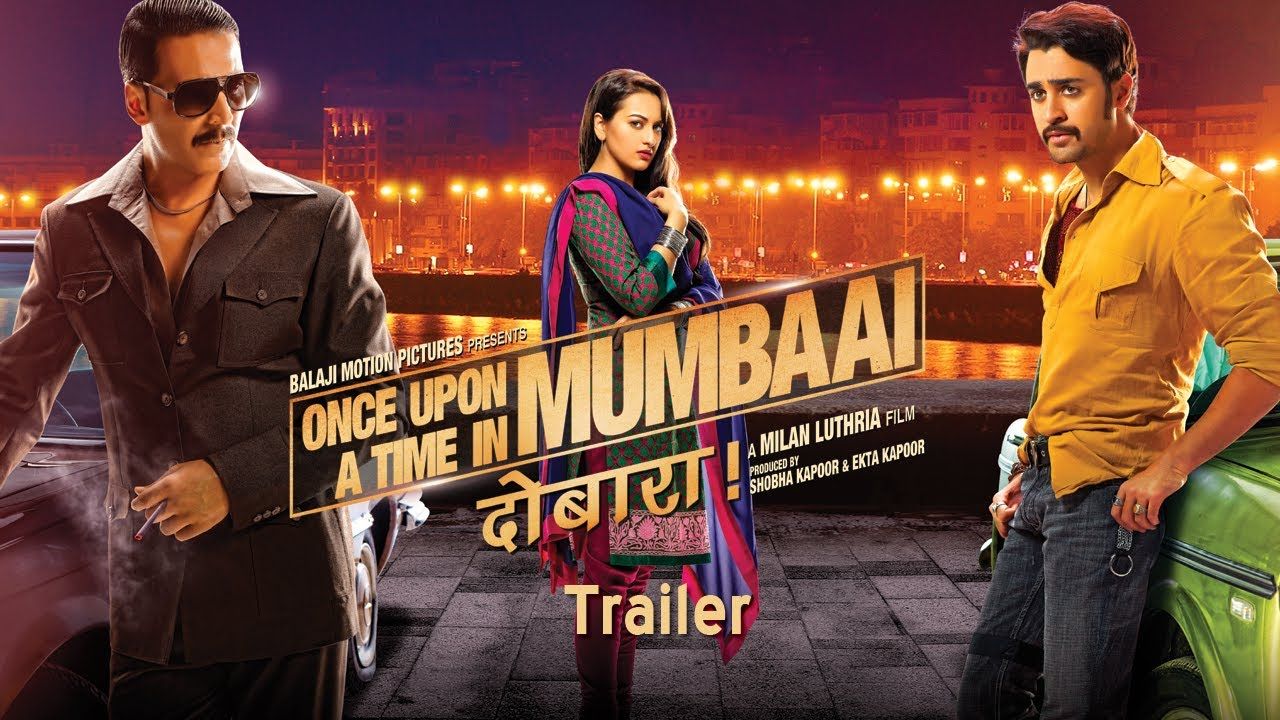
The sequel with Akshay Kumar? Yeah, let’s not talk about that. It lacked the grit and the soul of the original. The 2010 film remains the gold standard for stylish crime dramas in India.
What you should do next:
If you’ve already seen the movie a dozen times, go read up on the 1975 Emergency in India. The movie is set right in that pocket of history. Understanding the political tension of that era makes Sultan’s move into politics much more interesting. Alternatively, track down the soundtrack on vinyl if you can—it’s the best way to experience that 70s soundscape.
Also, watch Ajay Devgn's eyes in the scene where he first meets Rehana. That’s a masterclass in acting without saying a word.