You’ve seen the shots. A gnarled, sun-bleached oak skeleton standing defiant against a purple Atlantic sunrise. It’s the quintessential image of Driftwood Beach. Honestly, it’s the reason most people pack a camera and make the trek to this Georgia barrier island in the first place. But if you think pics of jekyll island ga start and end with a few dead trees on the north end, you’re missing the real soul of the place.
Jekyll isn't just a backdrop. It’s a mood.
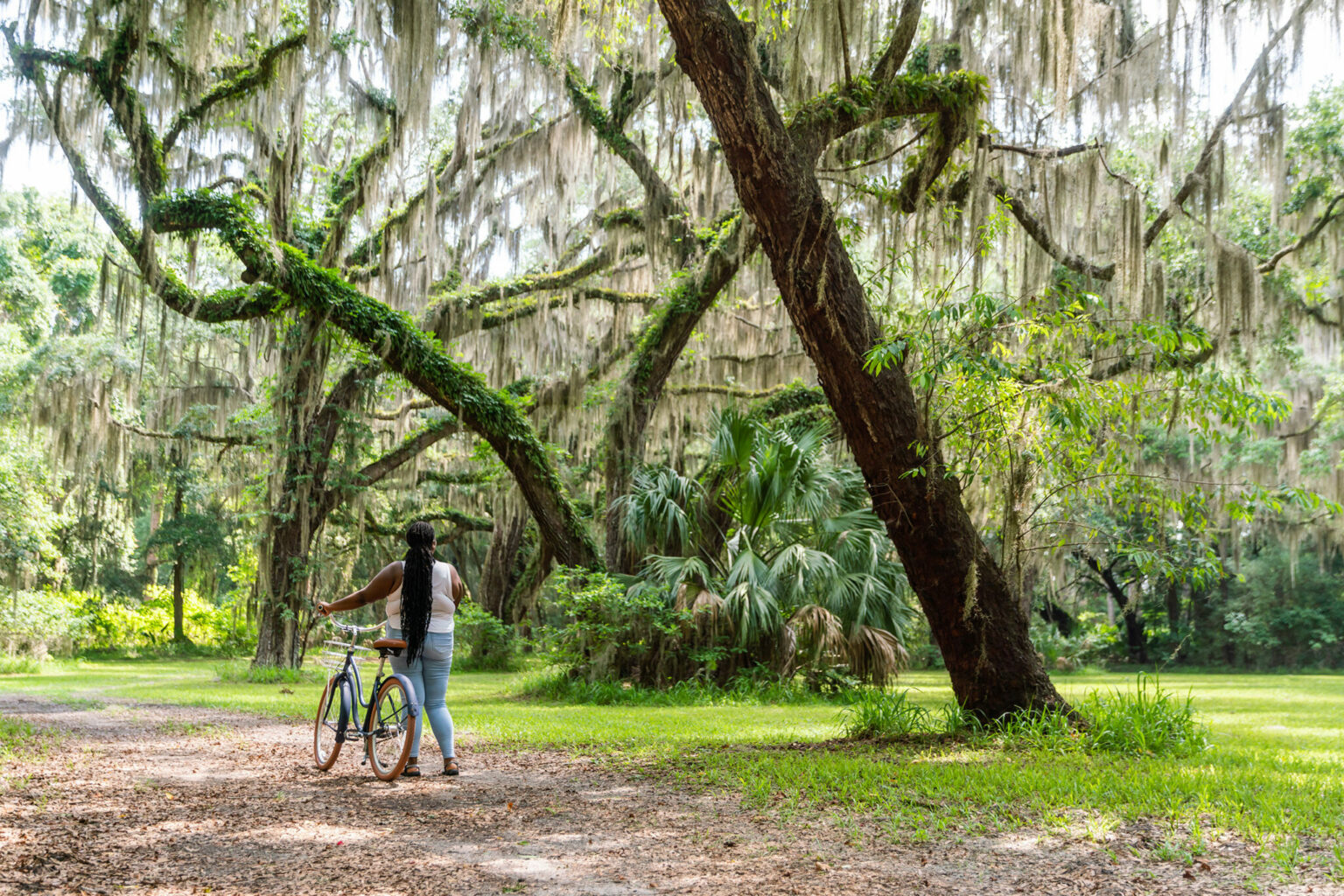
Back in the Gilded Age, the world’s wealthiest families—names like Vanderbilt, Rockefeller, and Morgan—chose this specific sliver of land for their "winter cottages." They weren't looking for flashy; they were looking for "splendid isolation." That vibe still haunts the island today, especially when the morning fog rolls off the Jekyll River and settles into the Spanish moss. Capturing that on a sensor is harder than it looks.
Beyond the "Boneyard": The Secret To Better Beach Shots
Everyone goes to Driftwood Beach. It’s iconic for a reason. Often called "Boneyard Beach" by locals, the north end of the island is a graveyard of ancient oaks and pines, victims of slow, steady erosion.
If you show up at noon, you’re going to have a bad time. The sun is harsh. The shadows are ugly. Worse, you’ll be photoshopping out fifty tourists climbing on the branches.
Timing is everything. You need to be on that sand at least 45 minutes before the sun actually breaks the horizon. This is when you get the "Blue Hour"—that deep, ethereal glow that makes the bleached wood look like it belongs on another planet.
- Tide Check: Don't just look at the sun; check the tide charts. A high tide puts the trees in the water, which is great for long-exposure reflections. Low tide exposes the "knees" and intricate root systems that look like tangled sculptures.
- The Bug Factor: Let’s be real—the sand gnats (no-see-ums) are brutal. From April to October, they will eat you alive. If you’re standing still for a tripod shot, bring a head net or a heavy-duty repellent. Seriously.
- Perspective: Stop shooting from eye level. Get low. Like, "camera in the sand" low. It makes the driftwood look massive and imposing rather than just like a pile of sticks.
The Gilded Age Glow in the Historic District
Move away from the surf and head toward the Jekyll Island National Historic Landmark District. This 240-acre site is basically a time capsule.
The Jekyll Island Club Resort is the crown jewel here. With its iconic turret and sprawling wraparound porches, it’s a masterclass in Victorian architecture. But the real "money shots" are often found in the smaller details. Look for the "Avenue of Palms"—nearly 300 cabbage palms lining Plantation Road. When the late afternoon light (the "Golden Hour") hits those fronds, it creates a repetitive pattern that’s a dream for minimalist photography.
Don't skip the Horton House. Built in 1743, it's one of the oldest "tabby" structures in the state. Tabby is a coastal concrete made of oyster shells, lime, and sand. The texture is incredible for close-up detail shots. Pro tip: The cemetery across the street has some of the most atmospheric moss-draped oaks on the island. It’s quiet. It’s a bit eerie. It’s perfect for black-and-white photography.
Wildlife and the "Hidden" West Side
While everyone is staring at the ocean, the west side of the island is quietly putting on a show. The salt marshes along the Jekyll River are where you’ll find the real action.
If you want amazing pics of jekyll island ga wildlife, head to the Georgia Sea Turtle Center. While you can't always take professional gear inside the treatment areas, they often do public turtle releases on the beach. Those are emotional, high-energy moments that tell a story far better than a static landscape ever could.
For birders, the St. Andrews Beach area on the south end is the spot. There’s a two-story wildlife viewing platform. You might catch a glimpse of roseate spoonbills or wood storks if your timing is right.
Expert Insight: Most people forget about the Sydney Lanier Bridge. If you stand on the high ground near the island’s entry causeway at sunset, you can use a long lens to compress the bridge against the fiery sky. It adds a modern, industrial contrast to the otherwise wild scenery.
Dealing with the Georgia Humidity
Let’s talk gear for a second. Georgia is humid. Like, "my lens is a foggy mess" humid.
If you’re moving from a cold, air-conditioned hotel room into the 90% humidity of a July morning, your glass will fog instantly. It can take 20 minutes for your gear to acclimate. I usually leave my camera bag in the (secure) trunk of the car or on a screened-in porch to let it warm up gradually. It sounds like a small thing, but missing a 2-minute sunrise because your lens is "sweating" is a heartbreak you don't want.
Making the Most of 2026 Events
If you're planning a trip this year, keep an eye on the Sea Turtle Celebration on April 25, 2026. It's a fantastic opportunity for candid shots of conservation in action. Later in the year, the "Holly Jolly Jekyll" event (starting in November) turns the Historic District into a light display that is notoriously difficult—but rewarding—to photograph. You’ll need a fast lens ($f/2.8$ or wider) and a steady hand for those carriage ride shots.
Actionable Next Steps for Your Photo Trip
You're ready to go. But don't just wing it.
- Download a Tide App: Seriously. If you show up to Driftwood Beach at a "king tide," there might not even be a beach to stand on.
- Scout Midday: Walk the Historic District and the beaches when the light is bad. Find your angles. Mark them on Google Maps. Then come back when the light is perfect.
- Vary Your Lenses: You'll want a wide-angle ($16-35mm$) for the landscapes, but a telephoto ($70-200mm$) is essential for compressing those oak alleys and catching dolphins in the sound.
- Embrace the Overcast: Don't stay in the hotel just because it's cloudy. Gray skies eliminate harsh shadows in the maritime forest and make the greens of the saw palmettos pop.
Jekyll isn't a place you "see" in an hour. It’s a place you wait for. Whether it's waiting for the tide to recede or waiting for a deer to step out of the forest, the best photos come to those who can sit still. Pack the bug spray, charge your batteries, and get out there before the sun does.