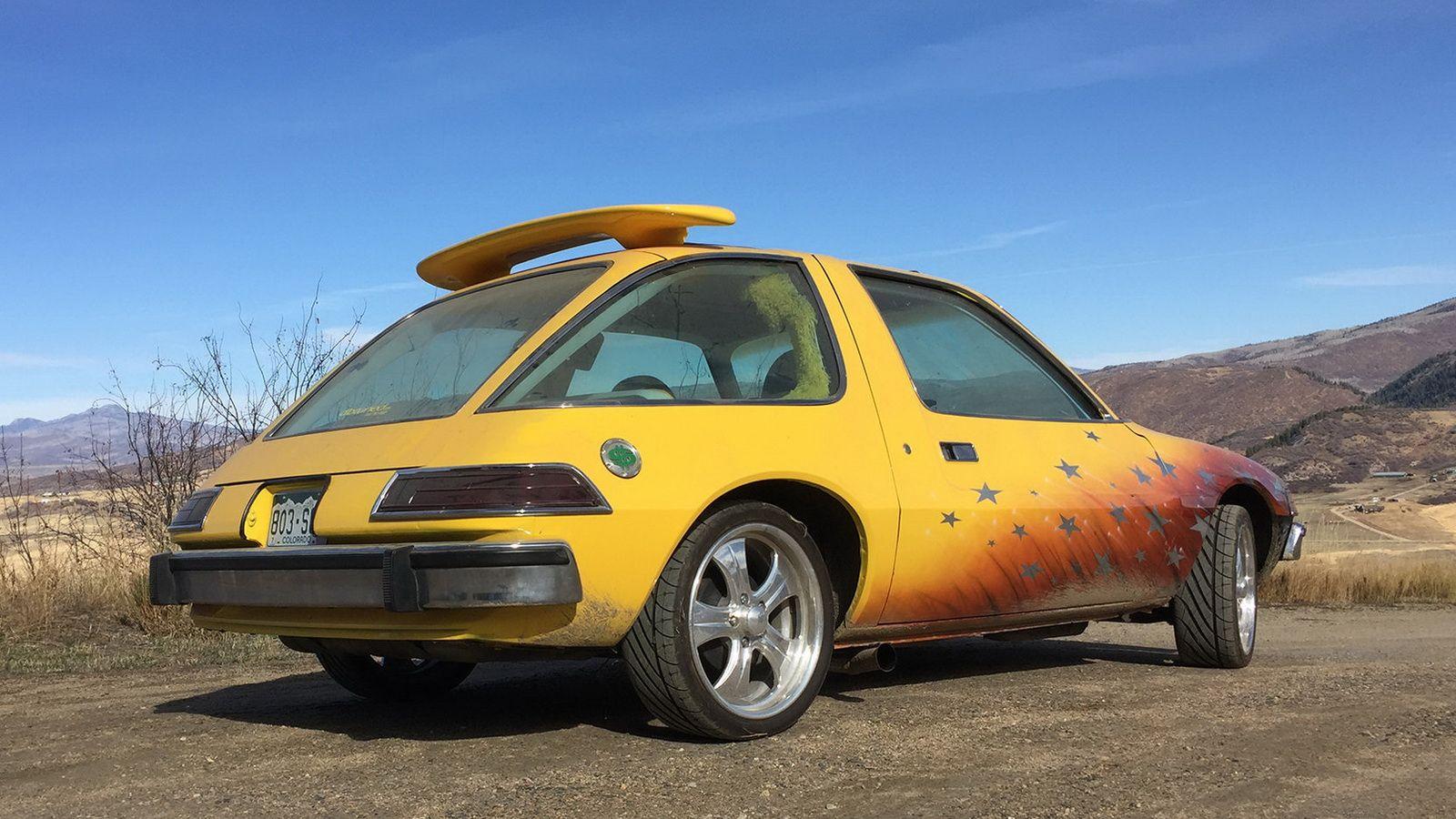
Remember that mid-2000s fever dream where Xzibit would show up at a random house in California and promise to turn a literal rust bucket into a rolling mansion? We all watched it. We all wanted a fish tank in our trunk or a chandelier in the headliner. But the reality of pimp my ride cars now is a lot less glossy than the neon-lit reveals we saw on MTV.
Honestly, the show was a masterpiece of "TV magic." You’d see a kid crying tears of joy because their 1988 Daihatsu now had a juice bar, but you didn't see the six months they spent taking the bus because their car was stuck in a shop being held together by Bondo and prayer. Most of those cars are gone. Some are in junkyards, some were sold for parts, and a lucky few are sitting in museums or private garages, serving as weird relics of an era defined by excess and spinning rims.
The Shiny Paint Covered a Lot of Sins
If you talk to the actual contestants today, the stories change. Seth Martino, who appeared in Season 6, famously revealed that his car barely ran when he got it back. MTV added a ton of weight—monitors, sound systems, even a cotton candy machine—but they didn't always upgrade the suspension or the engine to handle that extra bulk. His car felt like driving a boat that was constantly bottoming out.
It’s a common misconception that the shops, like West Coast Customs or Galpin Auto Sports, did full mechanical overhauls. They didn't. They were there to make it look "pimped."
- The Mechanical Reality: Most cars received zero engine work.
- Safety Issues: Many "wild" features were removed immediately after filming because they weren't street legal.
- Wiring Nightmares: All those screens and LEDs were often wired poorly, leading to battery drains or even fires.
One contestant, Justin Dearinger, had a "pop-up champagne" feature in his Toyota RAV4. Cool for the camera, right? Except they took it out right after the shoot because having open alcohol containers and a motorized lift in a moving vehicle is a great way to get arrested.
Where Are the Pimp My Ride Cars Now?
So, let's track them down. Out of the roughly 72 cars modified during the show's run, a surprisingly small number are still on the road. Many owners found that the cost of insuring a car with $30,000 worth of "pimping" was more than the car itself was worth.
The Success Stories (Sort Of)
The 1973 VW Thing from Season 5 is one of the rare survivors. The owner, whose husband goes by "Brainshatterer" online, actually still has the car. It’s been maintained, but it’s a labor of love. Most people couldn't handle the upkeep.
Then there's the famous "Dodge Caravan" that was actually a replacement car. The original was so rusted out that MTV just bought a different one, "pimped" that, and hoped nobody would notice. That van has bounced around between owners and was recently spotted in a YouTube video by Tavarish, who bought it for a few hundred bucks to try and restore its former (ridiculous) glory.
The Junkyard Fate
Many cars met a grim end. A 1968 VW Bug, nicknamed "The Turtle Shell," was famously disliked by its owner. It eventually fell into disrepair and was rumored to be scrapped. This wasn't rare. When you put $20,000 of electronics into a $500 car with a blown head gasket, the math just doesn't work out long-term.
The Behind-the-Scenes Secrets We Didn't See
The show was heavily scripted. You know those "houses" Xzibit visited? Most weren't the contestants' real homes. MTV rented them because the actual apartments or houses weren't "aesthetic" enough for television.
The reactions were faked, too. If a contestant wasn't "ape-shit" enough (as one producer reportedly put it), they’d have to do the reveal over and over until they looked sufficiently stunned. It’s hard to stay genuinely excited about a 10th take of seeing a monitor in your wheel well.
Why the Show Ended
By 2007, the culture was shifting. The global financial crisis made "conspicuous consumption"—showing off wealth with flashy, useless junk—feel a bit gross. MTV moved on to Jersey Shore and The Hills. The era of putting a fireplace in a Cadillac was over.
Actionable Takeaways for Collectors
If you're ever tempted to buy one of these pimp my ride cars now at an auction or on Craigslist, keep these things in mind:
- Check the Wiring: Most of these builds were done under extreme time pressure. Fire hazards are real.
- Weight Matters: Check if the suspension was actually upgraded to handle the 500 lbs of subwoofers in the back.
- Mechanical History: Assume the engine has been ignored for 20 years.
- Resale Value: These are novelty items, not investment-grade classics. Their value is in the story, not the performance.
The legacy of the show isn't the cars themselves, which were mostly "polished turds," but the way it changed car culture. It made customization mainstream, even if the actual executions were often hilariously impractical. If you find one in the wild today, take a picture—it’s a piece of history that’s literally vibrating itself apart.
Next Steps for Enthusiasts:
If you want to track down specific cars, follow automotive restorers on YouTube like Tavarish or Hoovies Garage, as they frequently hunt for these abandoned TV relics. You can also search VIN databases if you have the original plate numbers, though many have been deregistered or crushed due to failed smog tests in California.